masculinity · personal development
How to Build Brotherhood: Why Men Need Male Friendships and How to Create Them in 2024
C. V. WoosterApril 2, 202625 min read
*This article contains Amazon affiliate links. If you purchase through them, The Masculinity Matrix earns a small commission at no extra cost to you.*
# How to Build Brotherhood: Why Men Need Male Friendships and How to Create Them in 2024
**Building brotherhood is** the deliberate cultivation of deep, meaningful male friendships characterized by mutual support, shared purpose, and authentic vulnerability. It is essential for men today because it provides a vital antidote to the pervasive loneliness and isolation that often accompany modern life, fostering psychological resilience, personal growth, and a sense of belonging that is foundational to a man's well-being and his ability to navigate the complexities of identity and responsibility.
## Table of Contents
1. [The Crisis of Connection: Why Brotherhood is More Critical Than Ever](#the-crisis-of-connection-why-brotherhood-is-more-critical-than-ever)
* [The Erosion of Traditional Male Spaces](#the-erosion-of-traditional-male-spaces)
* [The Psychological Toll of Isolation](#the-psychological-toll-of-isolation)
* [The Modern Man's Search for Meaning and Belonging](#the-modern-mans-search-for-meaning-and-belonging)
2. [The Philosophical Foundations of Brotherhood: Beyond Casual Acquaintance](#the-philosophical-foundations-of-brotherhood-beyond-casual-acquaintance)
* [Aristotle's Friendship of Virtue](#aristotles-friendship-of-virtue)
* [Jungian Archetypes and the Collective Male Psyche](#jungian-archetypes-and-the-collective-male-psyche)
* [The Sacred Trust: Vulnerability and Accountability](#the-sacred-trust-vulnerability-and-accountability)
3. [Deconstructing Barriers: Why Men Struggle to Form Deep Bonds](#deconstructing-barriers-why-men-struggle-to-form-deep-bonds)
* [Societal Expectations of Stoicism](#societal-expectations-of-stoicism)
* [The Shadow of Competition and Comparison](#the-shadow-of-competition-and-comparison)
* [Time Scarcity and the Demands of Modern Life](#time-scarcity-and-the-demands-of-modern-life)
4. [The Masculinity Matrix Framework for Cultivating Brotherhood](#the-masculinity-matrix-framework-for-cultivating-brotherhood)
* [Step 1 of 5: Define Your Archetypal Needs](#step-1-of-5-define-your-archetypal-needs)
* [Step 2 of 5: Seek Shared Purpose, Not Just Shared Pleasure](#step-2-of-5-seek-shared-purpose-not-just-shared-pleasure)
* [Step 3 of 5: Practice Intentional Vulnerability](#step-3-of-5-practice-intentional-vulnerability)
* [Step 4 of 5: Embrace Constructive Challenge and Accountability](#step-4-of-5-embrace-constructive-challenge-and-accountability)
* [Step 5 of 5: Ritualize Connection and Commitment](#step-5-of-5-ritualize-connection-and-commitment)
5. [Practical Strategies for Initiating and Nurturing Male Friendships](#practical-strategies-for-initiating-and-nurturing-male-friendships)
* [Leveraging Existing Networks and Communities](#leveraging-existing-networks-and-communities)
* [Creating New Contexts for Connection](#creating-new-contexts-for-connection)
* [The Art of Active Listening and Presence](#the-art-of-active-listening-and-presence)
6. [The Transformative Power of a Strong Brotherhood](#the-transformative-power-of-a-strong-brotherhood)
* [Enhanced Mental and Emotional Resilience](#enhanced-mental-and-emotional-resilience)
* [Accelerated Personal Growth and Self-Actualization](#accelerated-personal-growth-and-self-actualization)
* [A Legacy of Support and Shared Journey](#a-legacy-of-support-and-shared-journey)
## The Crisis of Connection: Why Brotherhood is More Critical Than Ever
In an era defined by hyper-connectivity through digital means, a paradox has emerged: men often report feeling more isolated than ever before. The traditional structures that once facilitated robust male bonding—fraternal organizations, community sports leagues, shared workplaces with long tenures, or even simply the village square—have largely dissolved or been diluted. This societal shift has left a profound void, impacting men's mental health, sense of identity, and overall well-being. The need to build brotherhood is not merely a social preference; it is a fundamental psychological and existential imperative for the modern man. Without it, men are left to navigate the complex challenges of life in a vacuum, deprived of the mirroring, challenge, and unwavering support that only deep male friendships can provide.
### The Erosion of Traditional Male Spaces
Historically, men's lives were interwoven with communal activities and institutions that naturally fostered deep bonds. From hunting parties and military service to guilds, lodges, and even local pubs, men had dedicated spaces and shared endeavors that necessitated cooperation, trust, and mutual reliance. These environments provided a framework for men to test their mettle, share their burdens, and celebrate their triumphs with other men who understood their unique experiences. The decline of these spaces, driven by shifts in work culture, urbanization, and the rise of individualized entertainment, has left many men without organic opportunities to connect. The digital age, while offering superficial connections, often exacerbates this isolation by replacing genuine interaction with curated online personas, further complicating the path to authentic male friendship.
### The Psychological Toll of Isolation
The absence of meaningful male friendships carries a significant psychological cost. Research consistently links social isolation to increased rates of depression, anxiety, and even physical health problems. For men, this isolation can manifest as a pervasive sense of loneliness, a feeling that they must shoulder their burdens alone, or a reluctance to express vulnerability for fear of judgment. Without the sounding board of trusted male peers, men may struggle to process emotions, make critical life decisions, or even understand their own evolving identity. This lack of external validation and internal processing can lead to stagnation, resentment, and a diminished capacity for joy and resilience. The stoic ideal, when taken to an extreme, becomes a cage rather than a shield, trapping men in a cycle of emotional suppression.
### The Modern Man's Search for Meaning and Belonging
Beyond the psychological detriments, the lack of brotherhood leaves a man adrift in his search for meaning and belonging. In a world that often presents conflicting narratives about what it means to be a man, a strong male peer group can offer clarity, guidance, and a sense of shared purpose. It provides a context where a man can explore his masculine identity, test his values, and find his place within a larger collective. Without this, men may turn to less healthy avenues for validation, or simply retreat into themselves, feeling disconnected from the very essence of what it means to be a man among men. The yearning for brotherhood is, at its core, a yearning for a mirror that reflects one's strength, struggles, and potential, affirming one's journey in the company of those who truly understand.
## The Philosophical Foundations of Brotherhood: Beyond Casual Acquaintance
To truly build brotherhood, one must look beyond superficial camaraderie and understand the deeper philosophical underpinnings of profound male friendship. This isn't about shared hobbies or casual banter; it's about a bond rooted in shared values, mutual growth, and a commitment to each other's well-being. Philosophers and psychologists throughout history have explored the nature of such bonds, offering frameworks that illuminate why these connections are so vital and how they transcend mere social convenience.
### Aristotle's Friendship of Virtue
Aristotle, in his *Nicomachean Ethics*, distinguished between three types of friendship: utility, pleasure, and virtue. While friendships of utility and pleasure are common and serve their immediate purposes, they are often fleeting. The highest form, the "friendship of virtue," is what truly defines brotherhood. This is a friendship between men who admire each other for their inherent goodness and character, who wish well for each other for the other's sake, and who actively help each other pursue excellence. These are men who see the best in each other and challenge each other to become better versions of themselves. Such friendships are rare, enduring, and essential for a man's moral and intellectual development. They are not transactional but transformational, built on a foundation of shared values and a commitment to mutual flourishing.
---
**📚 Recommended Reading:** Meditations
Marcus Aurelius's reflections offer timeless wisdom on self-mastery, virtue, and resilience, providing a philosophical bedrock for understanding the character required to both be and attract a virtuous friend.
[Amazon link: https://www.amazon.com/dp/0812968255?tag=seperts-20]
---
### Jungian Archetypes and the Collective Male Psyche
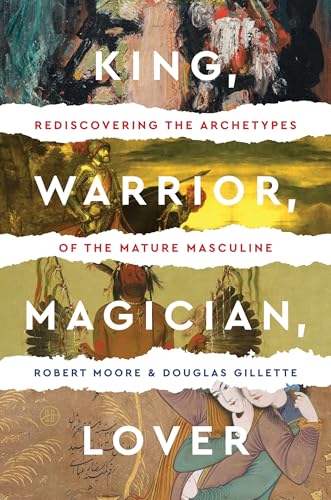
Carl Jung's concept of archetypes offers another lens through which to understand the deep need for brotherhood. Archetypes like the King, Warrior, Magician, and Lover represent universal patterns of masculine energy within the collective unconscious. When men gather in brotherhood, they can consciously and unconsciously activate and integrate these archetypal energies. A healthy brotherhood provides a space where men can embody the Warrior's courage, the King's benevolent leadership, the Magician's wisdom, and the Lover's passion and connection, not just individually, but collectively. This shared exploration and expression of archetypal masculinity helps men understand themselves more deeply, heal their psychological wounds, and find their place in the larger masculine story. Robert Moore and Douglas Gillette's work, *King, Warrior, Magician, Lover*, specifically explores these dynamics, emphasizing the importance of mature masculine expression, often facilitated by other men.
### The Sacred Trust: Vulnerability and Accountability
At the core of true brotherhood lies a sacred trust, built upon the twin pillars of vulnerability and accountability. It requires men to drop their masks, to share their fears, failures, and aspirations without fear of judgment or ridicule. This level of vulnerability is often counter-cultural for men, who are conditioned to project strength and self-sufficiency. Yet, it is precisely in this shared vulnerability that the deepest bonds are forged. Simultaneously, brotherhood demands accountability. It means holding each other to a higher standard, challenging complacency, and offering constructive feedback, even when it's uncomfortable. This isn't about shaming or tearing down, but about a loving, firm commitment to each other's growth and integrity. It's the willingness to say, "I see your potential, and I won't let you settle for less." This sacred trust transforms mere acquaintances into allies on the journey of life.
## Deconstructing Barriers: Why Men Struggle to Form Deep Bonds
Despite the inherent human need for connection and the profound benefits of brotherhood, many men find it incredibly difficult to form and maintain deep, meaningful friendships with other men. This isn't a sign of personal failing but rather a complex interplay of societal conditioning, psychological defense mechanisms, and the practical demands of modern life. Understanding these barriers is the first step toward dismantling them and intentionally building the brotherhood men crave.
### Societal Expectations of Stoicism
From a young age, men are often subtly, and sometimes overtly, taught that emotional expression is a sign of weakness. The cultural ideal of the "strong, silent type" encourages stoicism, self-reliance to an extreme, and the suppression of vulnerability. Phrases like "man up," "boys don't cry," or "deal with it yourself" reinforce the idea that men should internalize their struggles rather than share them. This conditioning creates a formidable barrier to deep friendship, as vulnerability is a prerequisite for intimacy. Men learn to present a facade of invincibility, making it difficult to reveal their true selves, their fears, and their insecurities to other men. Breaking free from this expectation requires conscious effort and a re-evaluation of what true strength entails—which often includes the courage to be vulnerable.
### The Shadow of Competition and Comparison
Another significant barrier is the pervasive undercurrent of competition and comparison that often characterizes male interactions. While healthy competition can be motivating, an unchecked competitive spirit can breed jealousy, resentment, and a reluctance to celebrate another man's success or to admit one's own struggles. Men are often measured by their achievements, their status, their material possessions, or their physical prowess. This constant evaluation can make it difficult to see other men as allies rather than rivals, especially in areas like career, relationships, or personal development. Overcoming this requires a shift in mindset from scarcity to abundance, recognizing that another man's success does not diminish one's own, and that true brotherhood thrives on mutual upliftment rather than one-upmanship.
---
**Case Study: Mark's Isolation**
Mark, a 42-year-old marketing executive, felt increasingly isolated despite his professional success. He had many acquaintances from work and the gym, but no one he felt he could confide in about his anxieties regarding his aging parents, his struggles with work-life balance, or his quiet fear of professional stagnation. He often found himself comparing his life to others' seemingly perfect social media feeds, which only deepened his sense of inadequacy.
**Before:** Mark believed showing any weakness would undermine his image as a competent, successful man. He avoided deep conversations, sticking to superficial topics, and often felt a low hum of loneliness and anxiety. He was reluctant to initiate deeper contact, fearing rejection or judgment.
**After:** Inspired by a podcast on male connection, Mark decided to be more intentional. He reached out to two men he respected from a previous job, suggesting a monthly dinner to "talk about life, not just work." At the first dinner, he cautiously shared a minor professional challenge. To his surprise, both men reciprocated with their own vulnerabilities. Over several months, this group became his "brotherhood." He learned that his fears were common, received invaluable advice, and felt a profound sense of relief and belonging. His anxiety lessened, and he felt more confident in his decisions, knowing he had a support system.
---
### Time Scarcity and the Demands of Modern Life
In an increasingly demanding world, time has become a precious commodity. Men are often juggling demanding careers, family responsibilities, and personal pursuits, leaving little bandwidth for the intentional cultivation of deep friendships. The idea of "making time" for male friends can feel like another item on an already overflowing to-do list. This practical barrier is significant. Unlike casual acquaintances that can be maintained with minimal effort, true brotherhood requires consistent investment of time and energy – shared experiences, regular check-ins, and dedicated conversations. Overcoming this requires prioritizing these relationships, understanding that they are not a luxury but a necessity for long-term well-being and resilience. It means actively scheduling time, even if it's just a monthly call or a quarterly weekend trip, and treating these commitments with the same seriousness as professional or family obligations.
## The Masculinity Matrix Framework for Cultivating Brotherhood
Building a strong brotherhood is not a passive endeavor; it requires intentionality, courage, and a clear framework. The Masculinity Matrix proposes a five-step process that moves beyond superficial interactions to foster deep, enduring male friendships rooted in shared purpose, vulnerability, and mutual growth. This framework is designed to help men actively create the connections they need to thrive in the modern world.
### Step 1 of 5: Define Your Archetypal Needs
Before you can seek out brotherhood, you must first understand what you are seeking and why. Reflect on your own masculine archetypes (King, Warrior, Magician, Lover) and identify which aspects feel underdeveloped or unsupported in your life. Do you need men who can challenge your complacency (Warrior)? Who can offer wisdom and perspective (Magician)? Who can celebrate your successes and share your passions (Lover)? Or who can help you lead and integrate your life effectively (King)? Understanding your own needs will guide you in identifying potential brothers who can complement and support your journey. This self-awareness is crucial for attracting the right kind of connections and for being the right kind of friend in return.
### Step 2 of 5: Seek Shared Purpose, Not Just Shared Pleasure
While shared interests like sports or hobbies can be entry points, true brotherhood often coalesces around a deeper, shared purpose. This could be a commitment to personal growth, a community project, a philosophical inquiry, or even a challenging physical endeavor. When men unite around a common goal that extends beyond immediate gratification, they forge bonds of mutual respect, cooperation, and resilience. This shared purpose provides a natural context for vulnerability, problem-solving, and the development of trust. It shifts the dynamic from "what can I get from this friendship?" to "what can we build or achieve together?" Look for opportunities to engage in activities that demand collective effort and commitment, whether it's a men's group focused on personal development, a volunteer project, or a challenging adventure trip.
### Step 3 of 5: Practice Intentional Vulnerability
This is perhaps the most challenging, yet most crucial, step. Intentional vulnerability means consciously choosing to share aspects of your inner world—your fears, doubts, struggles, and aspirations—with trusted men, even when it feels uncomfortable. Start small: share a recent challenge you faced, a mistake you made, or a goal you're struggling to achieve. Observe how it's received. True brothers will meet your vulnerability with empathy and understanding, not judgment or dismissal. This act of opening up creates a space for others to reciprocate, deepening the connection and building trust. It's a courageous act that signals a desire for genuine connection and breaks down the walls of stoicism that often isolate men. Remember, vulnerability is not weakness; it is the birthplace of connection and courage.
### Step 4 of 5: Embrace Constructive Challenge and Accountability
A true brotherhood is not an echo chamber; it is a crucible for growth. This step involves actively seeking and offering constructive challenge and accountability. This means being willing to call out a brother's blind spots, to question his assumptions, and to hold him to the standards he sets for himself. It also means being open to receiving such feedback without defensiveness. This requires a foundation of trust and respect, ensuring that challenges are delivered from a place of care and a desire for the other man's flourishing. Accountability can take many forms, from regular check-ins on personal goals to direct, honest conversations about behavior or choices that are not serving a man's highest self. This mutual commitment to growth is a hallmark of deep brotherhood.
---
**Comparison Table: Acquaintance vs. Brotherhood**
| Feature | Acquaintance | Brotherhood |
| :-------------------- | :---------------------------------------------------- | :------------------------------------------------------ |
| **Foundation** | Shared activity, convenience, superficial interests | Shared values, mutual respect, commitment to growth |
| **Depth of Sharing** | Surface-level topics, achievements, external events | Fears, aspirations, failures, emotional struggles |
| **Vulnerability** | Low; guarded, protective of image | High; intentional, reciprocal, safe |
| **Purpose** | Social interaction, casual enjoyment | Mutual support, personal growth, collective strength |
| **Accountability** | Minimal; avoids direct confrontation | High; constructive challenge, honest feedback, holding to standards |
| **Emotional Support** | Conditional, often advice-giving | Unconditional, empathetic listening, presence |
| **Time Investment** | Irregular, spontaneous, low effort | Consistent, intentional, prioritized |
| **Impact on Life** | Temporary pleasure, social filler | Transformative, foundational, enduring resilience |
---
### Step 5 of 5: Ritualize Connection and Commitment
Meaningful relationships are sustained through consistent effort and intentional rituals. This step involves establishing regular practices that reinforce the bonds of brotherhood. This could be a weekly video call, a monthly dinner, an annual retreat, or a shared project with a clear timeline. The key is consistency and commitment. These rituals provide dedicated space for connection, allowing men to check in, share updates, offer support, and simply be present with one another. Beyond scheduled meetings, it also involves making a conscious commitment to the brotherhood, understanding that these relationships require ongoing nurturing, just like any other vital aspect of a man's life. This commitment transforms casual friendships into an enduring, reliable support system.
## Practical Strategies for Initiating and Nurturing Male Friendships
Knowing *why* brotherhood is important and having a framework for *how* to build it is only part of the equation. The next crucial step involves practical, actionable strategies for initiating contact and nurturing these nascent connections into robust, lasting male friendships. This requires stepping outside one's comfort zone, being proactive, and consistently investing in the relationships you wish to cultivate.
### Leveraging Existing Networks and Communities
The easiest place to start building brotherhood is often within your existing spheres of influence. Think about men you already know, even if only superficially, who exhibit qualities you admire or with whom you share a nascent connection.
✅ **Reconnect with old friends:** Reach out to college roommates, former colleagues, or men from past sports teams. A simple "Hey, it's been a while, how have you been?" can open the door.
✅ **Deepen existing acquaintances:** Identify men in your current social circles (e.g., parents from your child's school, gym buddies, neighbors) with whom you have more than just superficial banter.
✅ **Join purpose-driven groups:** Look for local clubs, organizations, or volunteer opportunities that align with your values or interests. This could be a hiking group, a book club, a community service organization, or a men's group focused on personal development. The shared activity provides an immediate common ground and a natural context for interaction.
✅ **Utilize professional networks thoughtfully:** While work relationships can be tricky, some professional connections can evolve into deeper friendships, especially if you share values beyond the workplace.
### Creating New Contexts for Connection
Sometimes, existing networks aren't enough, or you need to expand your horizons. Creating new contexts for connection involves intentionally seeking out environments where like-minded men gather.
✅ **Enroll in a class or workshop:** Learning a new skill (e.g., woodworking, coding, philosophy, martial arts) provides a structured environment for consistent interaction with new men.
✅ **Attend local events or meetups:** Look for events in your community that cater to specific interests, from philosophical discussions to outdoor adventures. Websites like Meetup.com can be valuable resources.
✅ **Initiate a small group:** If you see a need, consider starting your own men's group focused on a specific topic or activity. This could be a weekly coffee for discussion, a monthly poker game with deeper conversation, or a regular workout group. Being the initiator demonstrates leadership and intentionality.
✅ **Travel with purpose:** Consider joining organized trips or retreats that focus on personal growth, adventure, or cultural immersion. These intense, shared experiences can accelerate bond formation.
---
**📚 Recommended Reading:** Iron John
Robert Bly's exploration of the wild man archetype delves into the psychological need for male initiation and the importance of older men guiding younger men, a core aspect of true brotherhood.
[Amazon link: https://www.amazon.com/dp/0306813769?tag=seperts-20]
---
### The Art of Active Listening and Presence
Once you've initiated contact, nurturing the friendship requires consistent effort, particularly in how you engage. The art of active listening and presence is paramount.
✅ **Listen more than you speak:** When a man is sharing, truly listen to understand, not just to respond. Ask clarifying questions. Reflect back what you hear to ensure understanding.
✅ **Be fully present:** Put away your phone, make eye contact, and give your undivided attention. This signals respect and shows that you value the other person and the conversation.
✅ **Ask open-ended questions:** Move beyond superficial "yes/no" questions. Ask about their perspectives, their challenges, their aspirations. Examples: "What's been on your mind lately?" "What's a challenge you're currently navigating?" "What's something you're excited about?"
✅ **Share authentically:** Reciprocate vulnerability. When appropriate, share your own struggles, insights, and experiences. This creates a reciprocal bond of trust and allows the other man to feel seen and understood.
✅ **Follow up:** A simple text or call after a conversation, referencing something discussed, shows that you were listening and care. "Hey, just thinking about what you said about X, how's that going?"
✅ **Consistency is key:** Deep friendships aren't built in a single conversation. Regular, consistent interaction, even if brief, reinforces the bond over time. Prioritize these connections in your schedule.
## The Transformative Power of a Strong Brotherhood
The journey to build brotherhood is an investment, but the returns are profound and far-reaching. A strong, supportive brotherhood is not merely a nice-to-have; it is a fundamental pillar for a man's holistic well-being, offering transformative benefits that touch every aspect of his life. From enhanced mental resilience to accelerated personal growth, the presence of true brothers can elevate a man beyond what he could achieve alone.
### Enhanced Mental and Emotional Resilience
In a world that constantly tests a man's resolve, brotherhood provides an essential buffer against stress, anxiety, and depression. Knowing you have a group of men who genuinely care, who will listen without judgment, and who will stand by you through thick and thin, significantly boosts mental and emotional resilience. This collective strength allows men to process difficult emotions, gain perspective on challenges, and find the courage to persevere. When one man stumbles, the brotherhood lifts him up. When one man celebrates a victory, the brotherhood amplifies his joy. This shared emotional landscape prevents isolation from festering into despair and fosters a sense of psychological safety that is crucial for navigating life's inevitable storms.
### Accelerated Personal Growth and Self-Actualization
True brotherhood acts as a catalyst for personal growth and self-actualization. Through the mirroring and feedback of trusted peers, men gain invaluable insights into their blind spots, their strengths, and their potential. Brothers challenge each other to step outside their comfort zones, to confront their limitations, and to pursue their highest aspirations. This isn't about competition, but about mutual elevation. The accountability inherent in brotherhood ensures that commitments to personal development are more likely to be honored. Whether it's pursuing a new skill, overcoming a bad habit, or deepening self-awareness, the collective energy and support of a brotherhood accelerate a man's journey toward becoming the best version of himself. It provides a living laboratory for testing ideas, receiving honest feedback, and integrating new aspects of one's identity.
### A Legacy of Support and Shared Journey
Beyond immediate benefits, a strong brotherhood creates a lasting legacy of support and a shared journey through life. These are the men who will be there for your milestones, your crises, and your quiet moments of reflection. They become witnesses to your life, sharing in your narrative and helping to shape your story. This enduring connection provides a profound sense of belonging and continuity, combating the transient nature of modern relationships. As men age, the value of these long-term bonds only increases, offering a wellspring of wisdom, companionship, and unwavering loyalty. To build brotherhood is to invest in a future where you are never truly alone, where your triumphs are celebrated, and your burdens are shared, creating a rich tapestry of shared experience that enriches the lives of all involved. This is the essence of what it means to be a man among men, forging a path together. [The Masculinity Matrix](https://themasculinitymatrix.com) explores these themes in depth, offering tools and philosophies for men to cultivate such profound relationships and navigate their identity in the modern world. For more insights and resources, you can [Browse all Field Notes](https://themasculinitymatrix.com/blog) on our blog.
## Frequently Asked Questions
**Q: What is the difference between a male acquaintance and a true brother?**
A: A male acquaintance is someone you share superficial interactions or common activities with, often without much emotional depth. A true brother is a man with whom you share deep trust, mutual vulnerability, and a commitment to each other's personal growth and well-being, extending beyond mere shared interests.
**Q: Why do men specifically need male friendships, as opposed to just any friendships?**
A: While all friendships are valuable, male friendships provide a unique context for men to explore and affirm their masculine identity, engage in specific forms of challenge and accountability, and share experiences that are often unique to the male journey. They offer a specific kind of mirroring and understanding that is crucial for a man's psychological and emotional health.
**Q: Is it okay to be vulnerable with other men? Won't that make me seem weak?**
A: Intentional vulnerability is a sign of strength, not weakness. It takes courage to share your true self, fears, and struggles. When done with trusted men, it deepens bonds and fosters genuine connection. True brothers will respect and reciprocate this vulnerability, creating a safe space for authentic expression.
**Q: How can I find men who are interested in deeper friendships?**
A: Start by looking in purpose-driven environments: men's groups, volunteer organizations, clubs focused on personal growth, or challenging physical activities. Be proactive in initiating conversations that go beyond surface-level topics, and express your desire for more meaningful connections. You can also leverage existing acquaintances by inviting them to more intentional gatherings.
**Q: What if I don't have much free time to dedicate to new friendships?**
A: Quality over quantity. Even small, consistent investments of time can build strong bonds. Prioritize a few key relationships, perhaps scheduling a monthly call or a quarterly activity. View these connections not as an obligation, but as an essential investment in your mental and emotional health, much like exercise or healthy eating.
**Q: How do I handle competition or ego in male friendships?**
A: Acknowledge that competition can be a natural male dynamic, but strive to channel it constructively. Focus on mutual upliftment rather than one-upmanship. If unhealthy competition arises, address it directly and honestly within the brotherhood, emphasizing shared values and the goal of collective growth. True brotherhood celebrates each other's successes without envy.
**Q: What are some practical steps to initiate a deeper conversation with a male friend?**
A: Choose an appropriate setting where you can have uninterrupted time. Start by sharing something personal but not overwhelming, like a recent challenge or a goal you're working towards. Then, ask an open-ended question about their experiences or thoughts on a similar topic. Active listening and genuine curiosity are key.
**Q: What if I've been hurt by male friendships in the past?**
A: Acknowledge and process those past hurts. Understand that not all men or friendships are the same. Approach new connections with discernment but also with an open heart. Start with small steps of vulnerability and observe how new potential brothers respond. Trust is built over time, and it's okay to be cautious while still being open to new possibilities.
## Conclusion
The modern landscape often leaves men feeling adrift, disconnected from the deep, meaningful bonds that are essential for a fulfilling life. The call to build brotherhood is not a nostalgic yearning for a bygone era, but a vital imperative for men navigating the complexities of identity, purpose, and well-being in the 21st century. From Aristotle's virtue ethics to Jungian archetypes, the philosophical and psychological foundations underscore the profound need for men to stand shoulder-to-shoulder, offering each other support, challenge, and a shared journey.
By deconstructing the societal barriers of stoicism, competition, and time scarcity, and by embracing a deliberate framework of self-awareness, shared purpose, intentional vulnerability, and mutual accountability, men can actively cultivate the brotherhood they need. This isn't about finding a quick fix; it's about a lifelong commitment to nurturing relationships that will enhance mental resilience, accelerate personal growth, and leave a lasting legacy of support. To truly thrive, men must move beyond superficial acquaintances and invest in the sacred trust of deep male friendship. This is the path to a more robust, integrated masculinity, where men are empowered not in isolation, but in the strength of their collective.
The Masculinity Matrix releases October 1, 2026. [Join the early access list](https://themasculinitymatrix.com/#newsletter) to be notified the moment it drops — and get the free 20-page reader magnet *The Five Masculine Wounds* instantly.
Share This Dispatch
Continue Reading
MM
masculinity
The Masculinity Spectrum: Navigating Beyond the False Choice of Toxic vs. Weak in 2024
Apr 2, 202624 min
MM
masculinity
Anger as Information: How Men Can Use Their Anger Constructively in 2024
Apr 2, 202628 min
MM
masculinity
The Role of Ritual in Men's Lives: Why Modern Men Are Starving for Ceremony in 2024
Apr 2, 202624 min
Further Reading
King, Warrior, Magician, Lover
Robert Moore & Douglas Gillette
View on Amazon →

The Way of the Superior Man
David Deida
View on Amazon →
Man's Search for Meaning
Viktor Frankl
View on Amazon →
As an Amazon Associate, The Masculinity Matrix earns from qualifying purchases.
Built With
This Site Was Built by Manus AI
The Masculinity Matrix — from the autoblog engine to the email sequences to this very page — was designed and built autonomously by Manus AI. If you're building something serious, it's worth a look.
Try Manus AI →