masculinity · personal development · stoicism
Stoicism for Men in 2026: The Complete Practical Guide Beyond Marcus Aurelius
C. V. WoosterApril 2, 202626 min read
*This article contains Amazon affiliate links. If you purchase through them, The Masculinity Matrix earns a small commission at no extra cost to you.*
# Stoicism for Men in 2026: The Complete Practical Guide Beyond Marcus Aurelius
**Stoicism for men in 2026 is a robust philosophical framework for cultivating inner resilience, rational thought, and purposeful action in a rapidly changing world.** It offers timeless wisdom that transcends transient trends, providing a practical operating system for navigating modern challenges from emotional regulation to ethical decision-making. For men today, Stoicism is not about suppressing emotions but understanding and directing them, fostering a profound sense of self-mastery and unshakable character amidst external chaos.
## Table of Contents
1. [Beyond the Emperor: Why Modern Men Need More Than Marcus Aurelius](#beyond-the-emperor-why-modern-men-need-more-than-marcus-aurelius)
2. [The Core Tenets of Stoicism for Men in 2026: A Philosophical Operating System](#the-core-tenets-of-stoicism-for-men-in-2026-a-philosophical-operating-system)
3. [Practical Stoicism for Men: Daily Practices for a Resilient Mind](#practical-stoicism-for-men-daily-practices-for-a-resilient-mind)
4. [Navigating Modern Masculinity with Stoic Wisdom: Challenges and Applications](#navigating-modern-masculinity-with-stoic-wisdom-challenges-and-applications)
5. [The Stoic Man and His Relationships: Cultivating Virtue in Connection](#the-stoic-man-and-his-relationships-cultivating-virtue-in-connection)
6. [Advanced Stoicism for Men: Deepening Your Philosophical Practice](#advanced-stoicism-for-men-deepening-your-philosophical-practice)
7. [Integrating Stoicism into a Holistic Masculine Identity](#integrating-stoicism-into-a-holistic-masculine-identity)
## Beyond the Emperor: Why Modern Men Need More Than Marcus Aurelius
When many men first encounter Stoicism, their journey often begins with Marcus Aurelius's *Meditations*. This is understandable; the personal reflections of a Roman Emperor grappling with duty, mortality, and virtue are profoundly compelling. However, to truly grasp and apply Stoicism for men in 2026, we must move beyond the singular, albeit brilliant, lens of Aurelius. His writings are a profound *application* of Stoic principles, but not the complete philosophy itself. The modern man faces a different landscape than the Roman emperor, one characterized by digital noise, identity fluidity, and complex societal expectations. While Aurelius provides an inspiring example of Stoic character, a comprehensive understanding requires delving into the broader philosophical tradition, exploring the foundational insights of Seneca, Epictetus, and the Hellenistic roots of the school.
The challenge for men today is not merely to endure hardship, but to thrive in an environment that often undermines traditional masculine virtues while simultaneously demanding new forms of emotional intelligence and adaptability. We are bombarded with conflicting messages about what it means to be a man, leading to confusion, anxiety, and a sense of disconnection. Stoicism offers a powerful antidote to this malaise, not by prescribing a rigid set of behaviors, but by providing a framework for internal self-governance. It teaches us to distinguish between what is within our control and what is not, to cultivate reason over raw emotion, and to live in accordance with nature – a concept far richer than simple biological determinism. This deeper dive into Stoicism allows men to forge an authentic, resilient masculinity that is both ancient in its wisdom and strikingly relevant to the complexities of the 21st century.
### The Limitations of a Singular Focus
Relying solely on *Meditations* can inadvertently lead to a narrow interpretation of Stoicism, often reducing it to a philosophy of grim endurance or emotional suppression. While Marcus Aurelius certainly championed resilience, his personal reflections were not intended as a systematic textbook. They are a window into his internal struggle to apply Stoic principles, not a complete exposition of the philosophy's breadth. For men seeking a practical guide, this can be insufficient. We need to understand the *why* behind the *what*, the theoretical underpinnings that give Stoic practices their power. Without this broader context, Stoicism can feel like a collection of austere maxims rather than a dynamic, life-affirming philosophy. The nuances of Stoic ethics, physics (metaphysics), and logic, as taught by figures like Zeno, Cleanthes, and Chrysippus, provide the intellectual scaffolding necessary for a robust, adaptable practice.
### The Modern Man's Unique Predicament
The modern man navigates a world vastly different from that of ancient Rome. We contend with information overload, the erosion of traditional community structures, the pressures of hyper-individualism, and a constant barrage of comparisons through social media. These factors contribute to widespread anxiety, depression, and a crisis of purpose among men. Traditional models of masculinity are often critiqued, sometimes rightly, but without offering clear, constructive alternatives. This leaves many men adrift, searching for meaning and a coherent identity. Stoicism, when understood in its entirety, offers a powerful compass. It provides tools for mental clarity, emotional fortitude, and ethical living that are directly applicable to these contemporary challenges. It’s not about retreating from the world but engaging with it mindfully, purpose-driven, and with an unshakeable inner peace.
### Expanding the Stoic Canon
To move beyond Marcus Aurelius is to embrace the full spectrum of Stoic thought. Seneca's letters offer practical advice on anger, grief, and the shortness of life, written with a rhetorical flair that speaks directly to the human condition. Epictetus, a former slave, provides an intensely practical, accessible guide to self-mastery and distinguishing between what is within our power and what is not, through his *Discourses* and *Enchiridion*. These texts, alongside fragments from the early Stoics, illuminate the depth and breadth of the philosophy. They reveal Stoicism as a comprehensive system for living well, encompassing ethics, logic, and a profound understanding of the natural world. For men seeking to build a resilient, meaningful life in 2026, engaging with these diverse voices is not just academic enrichment; it is essential for a truly practical and transformative Stoic practice.
## The Core Tenets of Stoicism for Men in 2026: A Philosophical Operating System
At its heart, Stoicism is a philosophy of action and virtue, offering a coherent framework for navigating the complexities of existence. It provides men with a robust operating system for their minds, enabling them to process information, make decisions, and respond to life's vicissitudes with greater wisdom and composure. The core tenets are not abstract theories but actionable principles designed to cultivate inner freedom and a life well-lived. Understanding these fundamentals is crucial for any man seeking to integrate Stoicism into his daily life, moving beyond superficial interpretations to a deep, transformative practice.
### The Dichotomy of Control: Mastering What Is Yours
The most foundational Stoic principle is the **Dichotomy of Control**, famously articulated by Epictetus: "Some things are within our power, while others are not." This isn't a call to apathy but a radical invitation to focus our energy exclusively on what we *can* influence: our judgments, impulses, desires, and aversions. Everything else – external events, other people's opinions, health, wealth, reputation – is indifferent, meaning it has no inherent moral value and is outside our direct control. For men in 2026, this distinction is liberating. It cuts through the anxiety of striving for unattainable outcomes and redirects our efforts towards internal mastery. When we truly internalize this, we realize that our peace of mind is not dependent on external circumstances but on our internal response to them. This principle is the bedrock of Stoic tranquility and self-possession.
### The Four Cardinal Virtues: The Blueprint for a Good Life
Stoicism asserts that the ultimate good lies in living a life of virtue, which is intrinsically linked to reason and living in harmony with nature. These virtues are not merely abstract ideals but practical skills to be developed. The four cardinal virtues are:
1. **Wisdom (Prudence):** The ability to discern right from wrong, good from bad, and to make sound judgments. It's practical wisdom, knowing how to act appropriately in any situation.
2. **Justice:** Treating others fairly, with kindness and respect. It extends beyond legal justice to encompass social responsibility and altruism.
3. **Courage (Fortitude):** Not just physical bravery, but moral courage – the strength to face adversity, stand up for what is right, and endure hardship with dignity.
4. **Temperance (Self-Control):** Moderation in all things, exercising discipline over desires and impulses, and maintaining balance in life.
For men, these virtues provide a powerful blueprint for character development. They offer a concrete path to becoming a man of integrity, purpose, and genuine strength, contrasting sharply with superficial measures of success or fleeting pleasures.
---
**📚 Recommended Reading:** Man's Search for Meaning
Viktor Frankl's profound account of finding purpose amidst unimaginable suffering resonates deeply with Stoic principles of choosing one's attitude and finding meaning in adversity, offering a powerful testament to the human spirit's resilience.
[Amazon link: https://www.amazon.com/dp/080701429X?tag=seperts-20]
---
### Living in Accordance with Nature: Reason, Community, and the Cosmos
The Stoic concept of "living in accordance with nature" is often misunderstood. It doesn't mean reverting to a primitive state but rather living in harmony with our rational faculty and the interconnectedness of the cosmos. As rational beings, our nature is to use reason to understand the world and make ethical choices. Furthermore, humans are social animals, so living "naturally" also means contributing to the common good, fostering community, and acting with justice towards others. This cosmic perspective encourages men to see themselves as part of a larger whole, fostering a sense of humility, interconnectedness, and universal benevolence. It moves beyond narrow self-interest, encouraging a broader, more expansive view of one's purpose and responsibilities within the human family and the natural order.
## Practical Stoicism for Men: Daily Practices for a Resilient Mind
Stoicism is not a philosophy to be merely studied; it is a philosophy to be lived. For men in 2026, integrating Stoic principles into daily routines provides a powerful toolkit for cultivating mental resilience, emotional stability, and purposeful action. These practices are not complex rituals but simple, repeatable exercises designed to reshape our perceptions and responses to the world. They empower men to become the architects of their inner lives, building an unshakeable foundation amidst external pressures and uncertainties.
### Step 1 of 5: The Morning Reflection (Premeditatio Malorum)
The day begins not with reaction, but with reflection. The Stoic practice of *Premeditatio Malorum*, or the premeditation of evils, involves mentally rehearsing potential challenges or setbacks that might occur during the day. This isn't a pessimistic exercise but a proactive one. By anticipating difficulties – a difficult conversation, a project setback, an unexpected delay – we mentally prepare ourselves, reducing the shock and emotional impact if they do occur. It allows us to consider our virtuous response beforehand.
✅ Visualize potential challenges: What might go wrong today?
✅ Consider your ideal Stoic response: How would Wisdom, Justice, Courage, and Temperance guide your actions?
✅ Rehearse your emotional detachment: Remind yourself that external events are indifferent.
✅ Affirm your commitment to virtue: Resolve to act with integrity regardless of outcomes.
This morning ritual primes the mind for resilience, transforming potential stressors into opportunities for practicing virtue.
### Step 2 of 5: The Evening Review (Examining the Day)
Just as the day begins with reflection, it should end with an honest self-assessment. The evening review, a practice advocated by Seneca, involves looking back at the day's events and evaluating one's actions, thoughts, and emotional responses.
✅ What did I do well today? Where did I act virtuously?
✅ Where did I fall short? Where did I succumb to irrational impulses or unvirtuous actions?
✅ What could I have done differently? How can I improve tomorrow?
✅ What lessons can I draw from today's experiences?
This practice fosters self-awareness, accountability, and continuous improvement. It prevents us from drifting through life unexamined, ensuring that each day contributes to our growth as Stoic men.
### Step 3 of 5: Negative Visualization (Amor Fati and Memento Mori)
Negative visualization is a powerful technique for cultivating gratitude and resilience. It involves contemplating the temporary nature of things we value – our health, relationships, possessions, and even our own life. This is not about dwelling on sadness but appreciating what we have *now* and preparing for potential loss.
| Aspect of Life | Negative Visualization Practice | Stoic Benefit |
| :------------- | :----------------------------- | :------------ |
| **Possessions** | Imagine losing your home, car, or prized possessions. | Cultivates gratitude for what you have; reduces attachment to externals. |
| **Relationships** | Contemplate the eventual loss of loved ones (through distance, disagreement, or death). | Fosters deeper appreciation for present connections; prepares for inevitable change. |
| **Health/Abilities** | Envision losing a limb, your sight, or mental faculties. | Promotes gratitude for current health; builds mental resilience against physical decline. |
| **Life Itself** | Reflect on your own mortality (Memento Mori). | Encourages living fully and virtuously *now*; reduces fear of death. |
| **Opportunities** | Consider missed chances or doors that might close. | Motivates action in the present; fosters acceptance of what cannot be changed. |
This practice, while seemingly morbid, is profoundly life-affirming. It strengthens our appreciation for the present moment and fortifies us against the inevitable changes and losses that life brings.
### Step 4 of 5: The Practice of Indifference (Voluntary Discomfort)
To truly understand that external things are indifferent to our virtue, Stoics engaged in practices of voluntary discomfort. This isn't about self-flagellation but about building mental fortitude and reducing our dependence on comfort.
✅ Take a cold shower: Builds mental toughness and resilience to discomfort.
✅ Fast for a meal: Cultivates self-control over desires and appreciation for food.
✅ Walk instead of driving: Challenges convenience, encourages physical activity and presence.
✅ Withhold a small pleasure: Demonstrates mastery over impulses, proves you don't *need* it.
These small acts of self-denial train the mind to distinguish between genuine needs and mere preferences, strengthening our inner citadel against the allure of excessive comfort and luxury.
### Step 5 of 5: Rational Response (The Discipline of Assent)
When faced with an event, our initial reaction is often emotional. The Stoic practice of the Discipline of Assent teaches us to pause before giving our "assent" (agreement) to these initial impressions.
✅ **Observe the impression:** Notice the thought or feeling that arises.
✅ **Question its validity:** Is this impression accurate? Is it within my control?
✅ **Apply reason:** What would a rational, virtuous response look like?
✅ **Withhold or give assent:** Choose whether to accept the impression as truth or to reframe it.
This practice is central to emotional regulation and allows men to respond to situations with thoughtful deliberation rather than impulsive reaction. It is the active application of the Dichotomy of Control in real-time.
---
**📚 Recommended Reading:** The Obstacle Is the Way
Ryan Holiday masterfully distills Stoic wisdom, particularly from Marcus Aurelius, Seneca, and Epictetus, into a compelling narrative about turning adversity into advantage, making it highly relevant for men seeking practical strategies for resilience and growth.
[Amazon link: https://www.amazon.com/dp/1591846358?tag=seperts-20]
---
## Navigating Modern Masculinity with Stoic Wisdom: Challenges and Applications
Modern masculinity is a complex and often contested terrain. Men today face unique pressures, from societal expectations to the pervasive influence of digital culture, all while grappling with evolving definitions of what it means to be a man. Stoicism offers a powerful and timeless framework for navigating these challenges, providing a path to authentic strength, purpose, and self-possession that transcends fleeting trends and superficial ideals. It’s about building an inner foundation that allows a man to stand firm in his values, regardless of external validation or criticism.
### The Problem of External Validation and Social Media
In 2026, social media continues to exert immense pressure on men, fostering a culture of constant comparison and the relentless pursuit of external validation. Likes, followers, and curated online personas often dictate self-worth, leading to anxiety, envy, and a distorted sense of reality. Stoicism directly confronts this by emphasizing the **internal locus of control**. A Stoic man understands that his value is derived from his character and actions, not from the opinions of others or arbitrary metrics of popularity. He practices indifference to external praise or blame, focusing instead on living virtuously. This detachment from external validation is a profound liberation, allowing men to cultivate genuine self-esteem rooted in integrity rather than fleeting approval.
### Cultivating Emotional Intelligence Without Losing Strength
One of the persistent myths about Stoicism is that it advocates for emotional suppression. This is a fundamental misunderstanding. True Stoicism teaches emotional *regulation* and *discernment*, not repression. For men, this translates into cultivating emotional intelligence without sacrificing strength or authenticity. A Stoic man acknowledges his emotions – anger, fear, sadness – but does not allow them to dictate his actions. He uses reason to understand their source, questions their validity, and chooses his response. This is a far cry from the "tough guy" facade that denies vulnerability. Instead, it's about developing an inner strength that can process and integrate emotions, leading to more thoughtful responses and deeper, more authentic connections. It’s about being fully present with one’s feelings while maintaining control over one’s actions.
### The Stoic Response to Societal Expectations and Identity Confusion
Modern society often presents men with conflicting and confusing expectations. On one hand, there's pressure to conform to traditional archetypes of strength and stoicism (ironically, a superficial version of it); on the other, there's a demand for emotional openness, sensitivity, and a rejection of anything perceived as "toxic masculinity." This can lead to identity confusion and a sense of being perpetually "wrong." Stoicism offers a coherent framework for navigating this by grounding a man's identity in his **virtue and reason**. It encourages men to define themselves not by external roles or societal approval, but by their commitment to wisdom, justice, courage, and temperance. This internal compass allows a man to critically evaluate societal expectations, embrace what aligns with his reasoned values, and reject what does not, fostering an authentic and resilient masculine identity that is true to himself and beneficial to the world.
## The Stoic Man and His Relationships: Cultivating Virtue in Connection
Relationships are central to the human experience, and for men, navigating the complexities of friendship, partnership, and family requires wisdom, patience, and a deep understanding of human nature. Stoicism, far from being an individualistic philosophy, offers profound insights into how men can cultivate virtuous and fulfilling relationships. It teaches us to approach others with empathy, justice, and a recognition of our shared humanity, while maintaining our inner tranquility regardless of external relational dynamics.
### Love, Attachment, and the Practice of Philia
Stoicism encourages *Philia*, a deep, brotherly love or affection, and a sense of universal kinship. However, it also cautions against excessive attachment, not out of coldness, but out of a recognition of the **Dichotomy of Control**. We cannot control other people's actions, feelings, or even their continued presence in our lives. A Stoic man loves deeply and cares profoundly, but he does so with the understanding that these relationships are external to his core self and subject to change. This doesn't mean loving less, but loving more wisely – appreciating the present moment with loved ones without clinging to an illusion of permanence. It allows for a more resilient form of love, one that can endure loss and change without shattering the individual's inner peace.
### Navigating Conflict with Reason and Justice
Conflict is an inevitable part of any relationship. A Stoic man approaches conflict not with aggression or avoidance, but with reason, justice, and a desire for resolution. He understands that anger is a temporary madness and that irrational outbursts only exacerbate problems. Instead, he practices:
* **Active Listening:** Seeking to understand the other person's perspective before formulating his own response.
* **Empathy:** Attempting to see the situation from their point of view, recognizing their humanity.
* **Clear Communication:** Expressing his thoughts and feelings calmly and rationally, without blame or accusation.
* **Focus on Solutions:** Directing energy towards finding a just and equitable resolution, rather than "winning" an argument.
* **Self-Reflection:** Examining his own role in the conflict and taking responsibility for his actions.
By applying the virtues of wisdom and justice, a Stoic man transforms conflict from a destructive force into an opportunity for growth and deeper understanding within his relationships.
### The Role of a Stoic Father, Partner, and Friend
The Stoic man's approach to his roles as a father, partner, and friend is characterized by consistency, integrity, and a commitment to virtue.
**As a Father:** He leads by example, demonstrating self-control, resilience, and a commitment to justice. He teaches his children not through authoritarianism, but by embodying the virtues, fostering their reason, and preparing them for the world by equipping them with inner strength. He provides a stable, loving presence, understanding that his influence is primarily through his character.
**As a Partner:** He offers loyalty, respect, and a shared commitment to growth. He communicates openly, supports his partner's autonomy, and works collaboratively to build a virtuous life together. He understands that true partnership is about mutual respect and shared values, not about control or possession.
**As a Friend:** He is reliable, honest, and a source of rational counsel. He celebrates his friends' successes and offers support in their failures, always encouraging them towards virtue. He understands that true friendship is a bond of shared values and mutual upliftment, not merely shared pleasure or utility.
In all these roles, the Stoic man strives to be a pillar of strength and virtue, contributing positively to the lives of those around him while maintaining his own inner integrity.
## Advanced Stoicism for Men: Deepening Your Philosophical Practice
Moving beyond the foundational tenets, advanced Stoicism for men involves a deeper immersion into the philosophy's nuances and a more rigorous application of its principles in all areas of life. This stage is less about learning new concepts and more about internalizing the existing ones, allowing them to transform one's character at a fundamental level. It's a journey of continuous refinement, where Stoicism becomes less a set of practices and more a way of being.
### The Discipline of Desire and Aversion: Realigning Your Values
The Discipline of Desire and Aversion is a core Stoic practice that goes beyond merely accepting what is outside our control. It actively seeks to align our desires solely with what is truly good (virtue) and our aversions solely with what is truly bad (vice). Most men unconsciously desire external things – wealth, status, pleasure – and avert internal things – discomfort, challenge, self-reflection. Advanced Stoicism flips this. We learn to desire only virtue and to avert only vice. This is a radical shift that liberates us from the endless pursuit of external goods and the fear of external evils. It means actively desiring to act wisely, justly, courageously, and with temperance, and actively averting actions that compromise these virtues. This reorientation of our deepest impulses is a profound source of inner freedom and contentment.
### The Discipline of Action: Fulfilling Your Role in the Cosmos
The Discipline of Action is about understanding our duty and acting in accordance with our rational, social nature. It's about asking, "What is my role here, and how can I fulfill it virtuously?" This extends beyond personal ethics to our responsibilities within our families, communities, and the wider world. It involves:
* **Understanding our Oikeiôsis (Appropriation):** Recognizing our natural affinity with all humanity and extending our circle of concern beyond ourselves.
* **Acting with Prohairesis (Moral Purpose):** Ensuring that our actions are guided by reason and virtue, not by impulse or external pressure.
* **Performing Indifferents Appropriately:** Using external things (health, wealth, reputation) as preferred indifferents to facilitate virtuous action, but never making them ends in themselves.
This discipline encourages men to be active, engaged citizens and responsible members of their communities, contributing to the common good with a clear sense of purpose and ethical grounding. It's about living a life of meaningful contribution, not passive observation.
### The Discipline of Assent: Mastering Your Inner Dialogue
While introduced earlier, the Discipline of Assent becomes an advanced practice when it moves from conscious effort to an almost automatic filter for all incoming impressions. This is the continuous, rigorous application of reason to every thought, feeling, and perception. It involves:
* **Constant Vigilance:** Being perpetually aware of the thoughts that arise in the mind.
* **Questioning Assumptions:** Challenging deeply ingrained beliefs and biases.
* **Identifying Cognitive Distortions:** Recognizing irrational thought patterns (e.g., catastrophizing, black-and-white thinking).
* **Cultivating Objective Perception:** Seeing things as they are, stripped of emotional overlay and subjective judgment.
This advanced practice leads to profound mental clarity, allowing a man to remain unperturbed by external events and to maintain a steadfast inner peace. It is the ultimate expression of self-mastery, where the mind becomes a well-ordered fortress, impervious to irrationality and external chaos.
## Integrating Stoicism into a Holistic Masculine Identity
For men in 2026, the journey of self-discovery and personal development is rarely linear. It involves synthesizing various philosophies, experiences, and insights into a coherent, authentic identity. Stoicism, when understood deeply, does not demand a narrow, ascetic existence. Instead, it provides a powerful framework for integrating its timeless wisdom with other aspects of a rich and fulfilling masculine life. This integration creates a holistic identity – one that is resilient, purposeful, and deeply connected to both self and community.
### Stoicism and the Archetypes of Masculinity
The human psyche, as explored by Jungian psychology and works like *King, Warrior, Magician, Lover*, suggests universal masculine archetypes. Stoicism doesn't negate these but provides a virtuous lens through which to express them.
* **The King:** The Stoic King governs himself first, then his domain, with wisdom, justice, and temperance. His authority comes from his character, not his power.
* **The Warrior:** The Stoic Warrior fights for virtue, not for ego. He demonstrates courage in the face of adversity, self-discipline in training, and strategic reason in conflict. His battles are often internal, against his own irrational impulses.
* **The Magician:** The Stoic Magician seeks knowledge and understanding, mastering his mind and the principles of the universe. He uses his insight for good, not manipulation, understanding the limits of his power.
* **The Lover:** The Stoic Lover connects deeply and justly, appreciating beauty and fostering relationships with empathy and respect, without clinging or excessive attachment.
By integrating Stoicism, men can embody these archetypes in their most virtuous and constructive forms, avoiding their shadow aspects (tyrant, sadist, trickster, addict) and contributing positively to their relationships and society.
### The Stoic Man in a World of Constant Change
The year 2026 is marked by rapid technological advancement, societal shifts, and global uncertainties. For many men, this creates a sense of instability and anxiety. The Stoic framework, however, offers a profound sense of stability by grounding identity in what is eternal and unchanging: virtue and reason. A Stoic man understands that external circumstances are constantly in flux, but his inner character, his *prohairesis*, remains within his control. He embraces *Amor Fati* – a love of fate – not as passive acceptance, but as an active embrace of whatever life brings, seeing every challenge as an opportunity to practice virtue. This adaptability and inner steadiness allow him to navigate change with equanimity, becoming a beacon of calm and purpose amidst the storm.
### Beyond Self-Improvement: Contributing to the Common Good
While Stoicism offers immense benefits for individual self-improvement, its ultimate aim is not purely personal. The Stoics believed in *cosmopolitanism* – the idea that all humans are citizens of a single, universal community. A truly integrated Stoic man recognizes his duty to contribute to the common good. This means:
* **Acting with Justice:** Advocating for fairness, equality, and compassion in his community.
* **Exercising Benevolence:** Offering help, support, and guidance to others where possible.
* **Leading by Example:** Inspiring others through his virtuous actions and reasoned approach to life.
* **Engaging in Public Service:** Contributing his skills and efforts to improve the world around him, whether through his profession, volunteer work, or civic engagement.
This outward focus ensures that Stoicism is not a retreat from the world but a powerful force for positive change within it. It transforms self-mastery into a foundation for meaningful contribution, forging a masculine identity that is both strong and deeply compassionate.
## Frequently Asked Questions
**Q: Is Stoicism about suppressing emotions?**
A: No, Stoicism is not about suppressing emotions but about understanding, regulating, and directing them. It teaches men to acknowledge their feelings without being controlled by them, using reason to respond thoughtfully rather than react impulsively.
**Q: How does Stoicism help with modern stress and anxiety?**
A: Stoicism provides practical tools like the Dichotomy of Control and negative visualization to help men distinguish between what they can control and what they cannot. By focusing energy on internal responses and accepting external events, it significantly reduces anxiety caused by worrying about uncontrollable factors.
**Q: Can Stoicism be combined with other personal development philosophies?**
A: Absolutely. Stoicism offers a foundational operating system for the mind that can complement many other philosophies and self-improvement methodologies. Its emphasis on virtue, reason, and self-mastery provides a stable core that enhances other approaches to personal growth.
**Q: Is Stoicism only for men?**
A: While this article focuses on Stoicism for men, its principles are universal and applicable to anyone, regardless of gender. The philosophy offers profound wisdom for all individuals seeking to live a more virtuous, resilient, and purposeful life.
**Q: What's the difference between Stoicism and being stoic (with a small 's')?**
A: "Stoic" (lowercase) often implies emotional impassivity or indifference. Stoicism (uppercase) is a comprehensive philosophical system that advocates for living in accordance with reason and virtue, acknowledging emotions while maintaining control over one's judgments and actions.
**Q: How long does it take to see results from practicing Stoicism?**
A: Like any skill, consistent practice yields results over time. Some benefits, like increased clarity and reduced anxiety, can be felt relatively quickly. Deeper character transformation and mastery, however, are lifelong pursuits that deepen with sustained effort.
**Q: Does Stoicism require belief in a specific religion or deity?**
A: No, Stoicism is a secular philosophy. While ancient Stoics often spoke of a divine *logos* or universal reason, this can be interpreted metaphorically as the rational order of the universe. It does not require adherence to any specific religious dogma.
**Q: Where should a beginner start beyond Marcus Aurelius?**
A: After Marcus Aurelius, excellent starting points are Epictetus's *Discourses* and *Enchiridion* for practical application, and Seneca's *Letters from a Stoic* for accessible ethical guidance and reflections on life's challenges.
## Conclusion
Stoicism for men in 2026 is far more than an academic pursuit or a niche self-help trend; it is a profound and practical philosophy for living a life of purpose, resilience, and authentic strength. By moving beyond a singular focus on Marcus Aurelius and delving into the broader, richer tapestry of Stoic thought, men can equip themselves with a robust operating system for navigating the complexities of the modern world. From mastering the dichotomy of control to cultivating the cardinal virtues, and from daily reflections to advanced disciplines of desire and action, Stoicism offers a comprehensive pathway to self-mastery and meaningful contribution.
The Stoic man is not emotionless, but emotionally intelligent; not isolated, but deeply connected; not rigid, but resilient. He is a man who understands his place in the cosmos, takes responsibility for his character, and acts with wisdom, justice, courage, and temperance in all his endeavors. In an era of unprecedented change and often confusing masculine ideals, Stoicism provides a timeless compass, guiding men towards an integrated identity that is both personally fulfilling and profoundly beneficial to the world around them. Embrace this ancient wisdom, and forge a masculinity that stands firm against the tides of time.
The Masculinity Matrix releases October 1, 2026. [Join the early access list](https://themasculinitymatrix.com/#newsletter) to be notified the moment it drops — and get the free 20-page reader magnet *The Five Masculine Wounds* instantly.
Share This Dispatch
Continue Reading
MM
masculinity
How to Raise Sons With Strong Character in a World That Confuses Them
Apr 2, 202625 min
MM
masculinity
The Masculinity Spectrum: Navigating Beyond the False Choice of Toxic vs. Weak in 2024
Apr 2, 202624 min
MM
masculinity
Anger as Information: How Men Can Use Their Anger Constructively in 2024
Apr 2, 202628 min
Further Reading

No More Mr. Nice Guy
Robert Glover
View on Amazon →
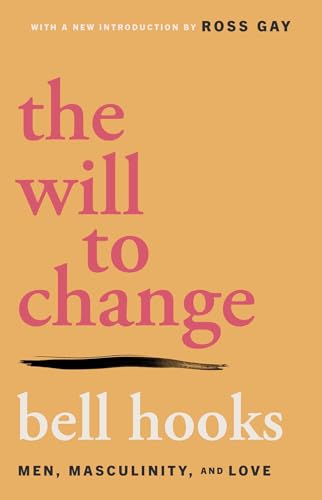
The Will to Change
bell hooks
View on Amazon →

The Way of the Superior Man
David Deida
View on Amazon →
As an Amazon Associate, The Masculinity Matrix earns from qualifying purchases.
Built With
This Site Was Built by Manus AI
The Masculinity Matrix — from the autoblog engine to the email sequences to this very page — was designed and built autonomously by Manus AI. If you're building something serious, it's worth a look.
Try Manus AI →