masculinity · personal development · stoicism
Stoicism for Men in 2026: The Complete Practical Guide Beyond Marcus Aurelius
Stoicism for men in 2026 is a robust philosophical framework offering timeless principles for navigating modern challenges, fostering inner resilience, and cultivating a life of purpose and virtue. It provides a practical operating system for the male psyche, enabling men to master their emotions, clarify their values, and act with integrity amidst an increasingly complex and often chaotic world. This ancient wisdom, far from being a relic, serves as an essential compass for men seeking to define and live out a meaningful masculinity today.
Table of Contents
- The Enduring Appeal of Stoicism for Modern Men
- Beyond Marcus Aurelius: The Broader Stoic Pantheon
- Core Stoic Principles for the 21st Century Man
- Practical Stoic Exercises for Daily Life
- Stoicism and the Cultivation of Modern Masculine Virtue
- Navigating Modern Challenges with Stoic Wisdom
- Building a Stoic Practice in 2026 and Beyond
The Enduring Appeal of Stoicism for Modern Men
In an era characterized by rapid technological advancement, shifting societal norms, and a pervasive sense of existential unease, men often find themselves searching for stable ground. The traditional markers of masculinity are being re-evaluated, and with that re-evaluation comes both opportunity and confusion. Stoicism, an ancient Hellenistic philosophy, offers not a rigid dogma but a flexible, profoundly practical framework for living well, regardless of external circumstances. Its emphasis on self-control, reason, and virtue resonates deeply with men who seek to build a robust inner world capable of withstanding the pressures of the external one. This philosophy provides a powerful antidote to the fleeting trends and superficial promises of quick fixes, instead guiding men toward a deliberate, principled existence.
Why Stoicism Resonates with the Male Psyche
Stoicism's appeal to men stems from several key aspects that align with archetypal masculine drives and challenges. It champions self-mastery, a core tenet of personal strength and agency. The philosophy encourages men to confront adversity head-on, not with brute force, but with intellectual rigor and emotional resilience. It provides a structured approach to understanding what is within one's control and what is not, thereby reducing anxiety and fostering a sense of calm competence. This focus on internal locus of control empowers men to take responsibility for their reactions and choices, rather than succumbing to victimhood or external pressures. Furthermore, Stoicism's emphasis on duty, purpose, and contributing to the greater good aligns with a man's innate desire for meaningful work and impact. It’s a philosophy that doesn't shy away from life's difficulties but provides tools to transform them into opportunities for growth.
The Modern Male Identity Crisis and Stoic Solutions
The contemporary landscape presents men with a complex identity crisis. Traditional roles are dissolving, and new expectations are emerging, often without clear guidance. This can lead to feelings of aimlessness, frustration, and a struggle to define what it means to be a good man in the 21st century. Stoicism offers a powerful antidote to this confusion by providing a clear, internally derived definition of virtue and purpose. It shifts the focus from external validation – wealth, status, fleeting pleasures – to internal character and integrity. By prioritizing wisdom, justice, courage, and temperance, Stoicism helps men construct an identity rooted in unshakeable principles, independent of societal whims or external achievements. It encourages men to look inward, to understand their own nature, and to live in accordance with reason, thereby forging a robust and authentic sense of self.
Differentiating Stoicism from "Toxic Masculinity"
It's crucial to distinguish genuine Stoicism from misinterpretations that sometimes align it with harmful stereotypes of "toxic masculinity." True Stoicism does not advocate for emotional repression or a lack of empathy. Instead, it teaches emotional mastery, not suppression. A Stoic understands emotions, acknowledges their presence, and then chooses how to respond to them rationally, rather than being swept away by them. This is vastly different from the "suck it up" mentality that often characterizes toxic masculinity, which can lead to emotional isolation and an inability to connect authentically. Stoicism, in fact, encourages compassion and a sense of universal brotherhood, recognizing our shared humanity. It’s about being strong enough to be vulnerable when appropriate, wise enough to discern when to act, and just enough to treat others with respect and fairness. The philosophical depth of Stoicism stands in stark contrast to the superficial and often damaging notions of masculinity that emphasize dominance and emotional detachment.
Beyond Marcus Aurelius: The Broader Stoic Pantheon
While Marcus Aurelius's Meditations remains an unparalleled entry point into Stoic thought, to truly grasp the depth and breadth of this philosophy, men must venture beyond his personal reflections. The Stoic school boasted a rich lineage of thinkers, each contributing unique perspectives and practical applications. Relying solely on Aurelius, while valuable, risks presenting an incomplete picture, potentially leading to a narrow or even distorted understanding of Stoicism. To fully leverage Stoicism for men in 2026, a broader appreciation of its founders and key proponents is essential, offering a more nuanced and robust framework for personal development.
Seneca: The Philosopher of Practical Action and Resilience
Lucius Annaeus Seneca, a Roman statesman, dramatist, and philosopher, offers a more direct and polemical approach than Aurelius. His Letters from a Stoic (also known as Epistulae Morales ad Lucilium) are not private reflections but public teachings, designed to guide a specific student through life's challenges. Seneca grapples with themes of grief, anger, wealth, poverty, and the inevitability of death with a vivid, often dramatic flair. He emphasizes the importance of living in the present, confronting fear, and practicing voluntary discomfort. For men navigating complex professional lives or significant personal transitions, Seneca's insights into managing power, dealing with ingratitude, and cultivating inner peace amidst external turmoil are particularly relevant. He teaches that true freedom comes not from external circumstances, but from internal control and the wise use of one's time.
Epictetus: The Slave Who Taught Freedom
Perhaps the most profound and challenging voice in the Stoic tradition, Epictetus was born a slave and later became a revered teacher. His teachings, primarily recorded by his student Arrian in Discourses and Enchiridion (Handbook), cut straight to the core of Stoicism: the absolute distinction between what is within our control (our judgments, desires, aversions, and actions) and what is not (everything else). Epictetus's philosophy is radical in its emphasis on internal freedom. He argues that no external power can truly harm us or make us unhappy unless we allow it to. For men seeking to reclaim agency in a world that often feels overwhelming, Epictetus provides an unshakeable foundation for mental fortitude. His lessons are particularly potent for those feeling trapped by circumstances, offering a path to liberation through a disciplined mind.
📚 Recommended Reading: Man's Search for Meaning Viktor Frankl's profound work on finding purpose amidst suffering resonates deeply with Stoic principles, highlighting the power of attitude and meaning even in the face of unimaginable hardship. [Amazon link: https://www.amazon.com/dp/080701429X?tag=seperts-20]
Zeno, Cleanthes, and Chrysippus: The Founders and Systematizers
While less accessible through direct texts, understanding the foundational figures of Stoicism — Zeno of Citium (the founder), Cleanthes (his successor), and Chrysippus (the "Second Founder") — provides crucial context. Zeno established the school around 300 BCE, teaching in the Stoa Poikile (Painted Porch) in Athens, from which the philosophy derives its name. Cleanthes is remembered for his "Hymn to Zeus," a beautiful articulation of Stoic theology and the interconnectedness of all things. Chrysippus was the prolific systematizer, whose logical rigor and extensive writings (though largely lost) solidified Stoicism into a coherent philosophical system encompassing logic, physics, and ethics. These early Stoics laid the groundwork for the practical advice offered by Seneca, Epictetus, and Marcus Aurelius, emphasizing a universe governed by rational principles (Logos) and the imperative to live in accordance with nature. Their contributions underscore that Stoicism is not merely a collection of self-help tips but a comprehensive worldview.
Core Stoic Principles for the 21st Century Man
At its heart, Stoicism offers a set of enduring principles that serve as a robust operating system for the male psyche. These aren't abstract theories but practical tools for navigating the complexities of modern life, fostering resilience, and cultivating a profound sense of purpose. Understanding and integrating these core tenets is fundamental to applying Stoicism for men in 2026 effectively, moving beyond superficial interpretations to a deep, transformative practice.
The Dichotomy of Control: Mastering What You Can
This is arguably the most fundamental Stoic principle, championed most forcefully by Epictetus. The dichotomy of control asserts that some things are within our power, and others are not. Within our power are our opinions, impulses, desires, aversions, and, in short, everything that is our own doing. Not within our power are our body, possessions, reputation, office, and, in short, everything that is not our own doing. The practical application of this is profound: men are encouraged to focus their energy, attention, and concern solely on what they can control, and to accept with equanimity what they cannot. This radical acceptance liberates immense mental and emotional energy, reducing anxiety, frustration, and resentment. It empowers men to be proactive in their sphere of influence and resilient in the face of external setbacks, understanding that true freedom comes from mastering one's inner world, not from manipulating the outer one.
Living According to Nature (Logos)
For the Stoics, "nature" is not merely the physical world but the rational, ordered principle (Logos) that pervades the cosmos. To live according to nature means to live according to reason, aligning one's actions and judgments with the universal rationality that structures existence. This translates into living virtuously, using one's rational faculty to discern right from wrong, and acting in harmony with the interconnectedness of humanity. For men, this principle encourages a life of integrity, purpose, and contribution. It means striving for self-improvement, acting justly towards others, and understanding one's place within the larger human community. It's a call to embody wisdom, courage, justice, and temperance, not as abstract ideals, but as practical expressions of one's rational nature. This principle is a powerful counter-narrative to the often self-serving or hedonistic impulses that can derail a man's path.
The Four Cardinal Virtues: A Moral Compass
Stoicism identifies four cardinal virtues as the pillars of a good life:
- Wisdom (Prudence): The ability to discern what is good, bad, and indifferent. It’s practical knowledge, sound judgment, and the capacity to navigate complex situations with clarity. For men, this means cultivating critical thinking, seeking truth, and making informed decisions rather than acting impulsively.
- Justice (Fairness): Treating others with fairness and benevolence, recognizing our shared humanity. It’s about acting ethically, upholding one's duties, and contributing to the well-being of the community. This virtue is crucial for building strong relationships and fulfilling one's role as a responsible member of society.
- Courage (Fortitude): Not merely physical bravery, but moral courage – the strength to face fear, adversity, and uncertainty, and to act rightly even when it's difficult. It’s the resilience to persevere through hardship and stand firm in one's principles. This is vital for men confronting personal challenges or societal pressures.
- Temperance (Self-Control): Moderation, self-discipline, and control over one's desires and impulses. It's about living mindfully, avoiding excess, and mastering one's appetites. This virtue is essential for maintaining physical and mental health, and for preventing destructive behaviors.
These virtues are interconnected; one cannot truly possess one without the others. They form a comprehensive moral compass, guiding men towards a life of integrity and purpose.
The Practice of Premeditatio Malorum (Premeditation of Evils)
This powerful Stoic exercise involves contemplating potential misfortunes and challenges before they occur. It's not about dwelling on negativity but about mentally rehearsing how one would respond to adversity. By imagining the loss of possessions, health, loved ones, or reputation, a man can mentally prepare himself, reducing the shock and emotional upheaval if such events actually transpire. This practice builds resilience, fosters gratitude for what one currently possesses, and reinforces the understanding that external things are indifferent to our true well-being. It's a proactive way to inoculate oneself against the slings and arrows of outrageous fortune, ensuring that one's inner peace remains undisturbed by external vicissitudes. This mental preparedness is a hallmark of a truly resilient man.
Practical Stoic Exercises for Daily Life
Beyond understanding the theoretical underpinnings, the true power of Stoicism for men in 2026 lies in its practical application. Stoicism is not merely a philosophy to be studied but a way of life to be lived. Integrating Stoic exercises into one's daily routine can profoundly transform one's perspective, emotional regulation, and overall well-being. These practices are designed to cultivate self-awareness, resilience, and a deeper connection to one's core values.
Step-by-Step Framework: The Morning and Evening Review
This framework, inspired by Seneca and Epictetus, provides a structured approach to daily self-assessment and improvement.
Step 1 of 3: The Morning Priming (Proactive Reflection) Upon waking, before the day's demands begin, take 5-10 minutes to mentally prepare.
- Contemplate the day ahead: What challenges might arise? What opportunities?
- Premeditate evils: Mentally rehearse potential difficulties (e.g., a difficult meeting, a frustrating commute) and how you will respond with reason and virtue. "If X happens, I will remind myself that it is outside my control, and my only task is to respond with patience."
- Affirm your virtues: Remind yourself of the four cardinal virtues and resolve to embody them throughout the day. "Today, I will strive for wisdom in my decisions, justice in my interactions, courage in facing discomfort, and temperance in my desires."
- Set intentions: Focus on what is within your control – your effort, attitude, and character.
Step 2 of 3: Mindful Engagement (In-the-Moment Practice) Throughout the day, practice mindfulness and apply Stoic principles as events unfold.
- Pause and reflect: When faced with a challenging situation or strong emotion (anger, frustration), pause before reacting. Ask: "Is this within my control?" "What would a virtuous man do?"
- Practice negative visualization: Briefly consider how much worse things could be, fostering gratitude for the present moment.
- Observe your judgments: Notice when you attach value judgments ("good," "bad") to external events. Challenge these judgments, recognizing that events themselves are indifferent; it's your opinion of them that causes distress.
- Focus on effort, not outcome: Direct your energy towards performing your duties well, regardless of the outcome, which is often beyond your control.
Step 3 of 3: The Evening Review (Reflective Assessment) Before bed, dedicate 10-15 minutes to review your day, as Seneca advised.
- Recount your actions: Go through your day chronologically. Where did you act virtuously? Where did you fall short?
- Analyze your reactions: How did you respond to challenges? Did you maintain composure? Did you succumb to unhelpful emotions?
- Identify areas for improvement: What could you have done differently? What lessons can you draw for tomorrow? "Today, I allowed X to upset me. Tomorrow, I will remember that X is an external, and my peace is paramount."
- Practice gratitude: Reflect on things you are grateful for, reinforcing appreciation for what you have. This consistent practice builds self-awareness and strengthens your Stoic resolve over time.
Voluntary Discomfort (Ascesis)
Voluntary discomfort, or askesis, is a cornerstone of Stoic training. It involves intentionally exposing oneself to minor hardships to build resilience and appreciate what one typically takes for granted. This isn't about self-punishment but about cultivating mental toughness and reducing dependence on comfort.
- Cold showers: Begin with a warm shower and gradually reduce the temperature to cold for 30 seconds to a few minutes. This builds mental fortitude and the ability to tolerate discomfort.
- Fasting: Skip a meal occasionally, or practice intermittent fasting. This teaches discipline over appetite and highlights how much we often eat out of habit, not necessity.
- Walking instead of driving: Choose to walk or bike for short distances, even in less-than-ideal weather, to embrace physical effort and reduce reliance on convenience.
- Sleeping on the floor: Occasionally sleep without a bed, or with minimal bedding, to remind yourself that comfort is a luxury, not a necessity. These practices demonstrate that you are the master of your desires, not their slave, and that you can thrive with less.
Journaling: A Dialogue with Yourself
Journaling is a powerful Stoic practice, famously exemplified by Marcus Aurelius's Meditations. It serves as a private forum for self-reflection, problem-solving, and reinforcing Stoic principles.
- Morning Pages: Write freely for 10-15 minutes each morning, clearing your mind and setting intentions.
- Problem-Solving: When faced with a dilemma, write down the situation, what is within your control, what is not, and potential virtuous responses.
- Emotional Processing: Instead of repressing difficult emotions, write them down. Analyze their source, challenge irrational thoughts, and apply Stoic reasoning to reframe them.
- Gratitude Log: Regularly list things you are grateful for, fostering appreciation and combating discontent.
- Reflecting on Quotes: Choose a Stoic quote and write about how it applies to your life or a current challenge. Journaling transforms abstract philosophy into a living, breathing practice, allowing men to cultivate a deeper understanding of themselves and their place in the world.
Stoicism and the Cultivation of Modern Masculine Virtue
The concept of virtue, often sidelined in contemporary discussions of masculinity, is central to Stoicism. For men in 2026, embracing Stoic virtues offers a powerful counter-narrative to superficial or destructive masculine ideals. It provides a framework for building an identity rooted in character, integrity, and genuine strength, moving beyond external markers of success to an internal barometer of worth. This is about cultivating a masculinity that is both robust and deeply ethical.
Redefining Strength: From Brute Force to Inner Fortitude
Traditional notions of masculine strength often emphasize physical prowess, dominance, or aggressive ambition. While these can have their place, Stoicism redefines strength as primarily an inner quality. True strength, in the Stoic view, is the ability to maintain composure and reason in the face of adversity, to control one's impulses, and to act virtuously regardless of external pressures. It's the fortitude to withstand emotional turmoil, the courage to speak truth, and the resilience to bounce back from setbacks without losing one's moral compass. This inner fortitude allows a man to lead, protect, and provide, not from a place of aggression or fear, but from a foundation of calm competence and unwavering principle. It's a strength that empowers, rather than dominates.
📚 Recommended Reading: The Obstacle Is the Way Ryan Holiday masterfully distills Stoic wisdom, showing how challenges and setbacks are not roadblocks but opportunities for growth and achievement, a perfect guide for men seeking to overcome adversity. [Amazon link: https://www.amazon.com/dp/1591846358?tag=seperts-20]
The Role of Duty and Responsibility
Stoicism places a high value on duty (kathēkon) and responsibility. Men are encouraged to understand their roles within their families, communities, and society at large, and to fulfill these roles with integrity and diligence. This isn't about blind obedience but about recognizing one's interconnectedness with others and contributing to the common good. A Stoic man understands that his actions have consequences and that he has a moral obligation to act in a way that benefits not only himself but also those around him. This principle provides a powerful antidote to individualism and self-absorption, fostering a sense of purpose that extends beyond personal gain. It encourages men to be reliable, trustworthy, and committed to their commitments, building a foundation of respect and trust in their relationships and endeavors.
Cultivating Emotional Resilience, Not Repression
A common misconception is that Stoicism advocates for emotional repression, turning men into unfeeling automatons. This is far from the truth. Stoicism teaches emotional mastery and resilience, not repression. It acknowledges the natural occurrence of emotions but teaches men not to be enslaved by them. Through practices like the dichotomy of control and cognitive reframing, men learn to observe their emotions without immediately reacting, to question the judgments that give rise to distress, and to choose a rational response. This cultivation of emotional resilience allows a man to experience the full spectrum of human emotion without being overwhelmed, enabling him to remain steady and effective even in highly charged situations. It's about developing an inner sanctuary of calm that can be accessed at will, allowing for thoughtful action rather than impulsive reaction.
Comparison: Stoic Man vs. Conventional Man
To illustrate the distinct path Stoicism offers, consider this comparison:
| Trait / Situation | Conventional Man (Modern Stereotype) | Stoic Man (Virtuous Ideal) |
|---|---|---|
| Response to Setback | Blames external factors, feels victimized, gets angry or depressed. | Accepts what is not in control, focuses on what can be done, learns from the experience. |
| View of Emotions | Represses "weak" emotions (sadness, fear), expresses "strong" ones (anger, aggression). | Acknowledges all emotions, understands their transient nature, chooses rational response. |
| Source of Self-Worth | External validation: wealth, status, possessions, approval from others. | Internal character: living virtuously, fulfilling duties, acting with integrity. |
| Approach to Conflict | Seeks to dominate or avoid; driven by ego or fear. | Seeks understanding, fairness, and resolution; driven by justice and reason. |
| Relationship with Desire | Slave to desires (food, sex, pleasure, material goods); constantly seeking gratification. | Masters desires through temperance; finds contentment in what is sufficient and virtuous. |
| Reaction to Criticism | Defensive, angry, dismissive, or crushed. | Listens for truth, considers valid points, disregards baseless attacks, maintains inner peace. |
| Definition of Success | Accumulation of external goods, power, fame. | Cultivation of inner virtue, peace of mind, living a purposeful life. |
| Approach to Fear | Avoids feared situations, paralyzed by anxiety. | Confronts fear with courage, analyzes its rationality, acts despite discomfort. |
This table highlights how Stoicism offers a profound reorientation of a man's priorities and responses, leading to a more grounded, principled, and ultimately fulfilling existence.
Navigating Modern Challenges with Stoic Wisdom
The 21st century presents a unique array of challenges for men, from information overload and societal fragmentation to evolving relationship dynamics and economic pressures. While ancient, Stoicism offers remarkably prescient tools for navigating these contemporary complexities. Applying Stoicism for men in 2026 means translating its timeless principles into actionable strategies for modern life, fostering resilience and clarity amidst the noise.
Information Overload and Mental Discipline
In an age of constant notifications, endless news cycles, and social media feeds, men are bombarded with information, much of it trivial, sensational, or designed to provoke. This can lead to mental fatigue, anxiety, and a diminished capacity for focused thought. Stoicism provides a powerful antidote through its emphasis on mental discipline and the dichotomy of control.
- Control your attention: Recognize that your attention is a precious resource within your control. Consciously choose what information you consume and for how long.
- Filter external noise: Apply the dichotomy of control to news and social media. Distinguish between what you can influence (e.g., your local community, your personal actions) and what you cannot (e.g., global politics, celebrity gossip). Focus on the former.
- Practice informational fasting: Regularly disconnect from digital inputs. This could be an hour a day, a full day a week, or longer periods. This allows the mind to rest, process, and regain clarity.
- Cultivate deep work: Dedicate uninterrupted blocks of time to meaningful tasks, resisting the urge to check notifications. This builds focus and productivity, aligning with the Stoic value of diligent effort.
The Shifting Landscape of Relationships and Connection
Modern relationships, both romantic and platonic, are often fraught with complexity. Expectations are high, communication can be challenging, and the digital realm adds layers of superficiality. Stoicism offers principles for building authentic, resilient connections.
- Focus on your character: In any relationship, you can only control your own actions, words, and intentions. Strive to be a man of integrity, honesty, and kindness, regardless of how others behave.
- Practice empathy and understanding: While you cannot control others' emotions, you can seek to understand their perspectives. This aligns with Stoic justice and the recognition of our shared humanity.
- Manage expectations: Apply the dichotomy of control to relationships. You can control your effort and love, but not how others respond or if a relationship lasts forever. This reduces attachment and suffering.
- Communicate rationally: When conflict arises, approach it with reason and a desire for resolution, rather than anger or blame. Focus on facts and shared values.
- Value true connection: Prioritize deep, meaningful interactions over superficial acquaintances. Recognize that true connection is built on shared virtue and mutual respect.
Economic Uncertainty and Financial Resilience
The economic landscape of 2026 can be unpredictable, with inflation, job market shifts, and global instability creating anxiety. Stoicism provides a framework for financial resilience and peace of mind, regardless of market fluctuations.
- Practice voluntary poverty: Regularly reflect on how little you truly need to be content. This reduces attachment to wealth and fear of loss.
- Distinguish needs from wants: Apply temperance to your spending. Focus on what is essential for a virtuous life, rather than accumulating luxuries.
- Focus on effort, not outcome: Work diligently and skillfully, but accept that market forces or external events are beyond your control. Your peace comes from your effort and character, not your net worth.
- Prepare for adversity: Just as with premeditatio malorum, mentally prepare for potential financial setbacks. How would you respond? What would you still have (your virtues, your reason)? This reduces anxiety about the future.
- Cultivate inner wealth: Recognize that true security comes from internal virtues – wisdom, resilience, self-sufficiency – not from external assets. A man who can adapt and endure is wealthier than one who is merely rich.
Case Study: John's Journey from Corporate Burnout to Stoic Serenity
Case Study: John's Situation — Before/After
Before: John, a 42-year-old marketing executive, was a classic case of corporate burnout. He worked 70+ hour weeks, constantly chasing promotions and bonuses, yet felt perpetually unfulfilled and anxious. His relationships suffered, his health was declining, and he often felt a deep sense of meaninglessness, despite his outward success. He was driven by external validation and feared losing his status, leading to chronic stress and emotional volatility. He believed his worth was tied directly to his achievements and salary.
After: Discovering Stoicism in 2024, John began to implement its principles. He started with the dichotomy of control, realizing he couldn't control market trends or his boss's temperament, but he could control his effort, his attitude, and his response to challenges. He began practicing the morning and evening review, identifying where he acted impulsively versus rationally. He consciously reduced his attachment to outcomes, focusing instead on doing his best work with integrity (virtue). He started taking cold showers and walking to work, building resilience through voluntary discomfort.
The change wasn't immediate, but over two years, John transformed. He still worked hard, but his anxiety plummeted. He learned to detach from the emotional rollercoaster of corporate politics. He fostered deeper connections with his family by being fully present, rather than distracted by work worries. When a major project failed, instead of despair, he calmly analyzed what was within his control and what wasn't, learning from the experience without self-blame. He realized his true value lay in his character and his ability to contribute meaningfully, not in his job title or bank account. John found a profound sense of inner peace and purpose, becoming a more effective leader and a more grounded man.
Building a Stoic Practice in 2026 and Beyond
Integrating Stoicism into a modern man's life is not a one-time event but a continuous journey of self-mastery and philosophical development. It requires consistent effort, self-reflection, and a commitment to living in accordance with reason and virtue. For men seeking to fully embrace Stoicism for men in 2026, establishing a structured, evolving practice is key to unlocking its transformative power.
Starting Your Stoic Journey: A Checklist
Embarking on a Stoic path can feel daunting, but a structured approach makes it accessible.
✅ Read the Core Texts: Begin with Epictetus's Enchiridion and Marcus Aurelius's Meditations. Then move to Seneca's Letters. Don't just read; reflect and underline. ✅ Understand the Dichotomy of Control: This is the bedrock. Make a conscious effort daily to distinguish what is within your power from what is not. ✅ Start a Stoic Journal: Dedicate 10-15 minutes each morning or evening to write down your thoughts, apply Stoic principles to daily events, and reflect on your actions. ✅ Practice Negative Visualization: Once a week, spend a few minutes contemplating the loss of something you value (health, possessions, a relationship). This fosters gratitude and resilience. ✅ Embrace Voluntary Discomfort: Begin with small acts, like a cold shower or skipping a meal. Gradually increase the challenge to build mental toughness. ✅ Identify Your Values: Reflect on the four cardinal virtues (Wisdom, Justice, Courage, Temperance) and consider how you can embody them more fully in your daily life. ✅ Find a Community (Optional but Recommended): Engage with other men interested in Stoicism, whether online forums or local groups. Discussing ideas and challenges can deepen your understanding. ✅ Be Patient and Persistent: Stoicism is a practice, not a destination. There will be days you fall short. Acknowledge it, learn, and recommit.
The Role of Community and Mentorship
While Stoicism emphasizes individual self-mastery, the journey need not be solitary. Engaging with a community of like-minded individuals can provide invaluable support, diverse perspectives, and accountability.
- Discussion Groups: Participating in online forums or local meetups dedicated to Stoicism allows men to share insights, discuss challenges, and learn from others' interpretations and applications of the philosophy.
- Mentorship: Finding an older, wiser man who embodies Stoic principles can offer practical guidance and a living example of the philosophy in action. This could be a formal mentor or simply someone whose character you admire and observe.
- Shared Practice: Engaging in Stoic exercises, like journaling or voluntary discomfort, with a trusted friend or group can provide motivation and a sense of shared purpose. The Stoics themselves were part of a school, a community of learners and practitioners. This communal aspect reinforces the idea that we are all interconnected and can support each other in the pursuit of virtue.
Stoicism as a Lifelong Operating System
Stoicism is not a temporary fix or a trend; it is a comprehensive philosophical system designed to be a lifelong operating system for the mind. It provides a consistent framework for:
- Decision-making: Always asking, "Is this within my control? What is the virtuous path?"
- Emotional regulation: Understanding and mastering reactions to external events.
- Purpose and meaning: Anchoring one's life in virtue and contribution, rather than fleeting desires.
- Resilience: Building an inner fortress against the inevitable challenges of life.
By consistently applying its principles, men can cultivate a profound sense of inner peace, purpose, and unshakeable character. It’s a philosophy that grows with you, offering deeper insights and more refined tools as you navigate different stages of life. The commitment to Stoicism is a commitment to continuous self-improvement, to becoming the best version of oneself, not for external praise, but for the inherent good of living a virtuous and rational life. This journey aligns perfectly with the deeper explorations of masculinity found on The Masculinity Matrix, offering a robust path for men seeking genuine self-understanding and development. For those ready to embark on this transformative journey, there are ample resources, including our Browse all Field Notes for further reading and guidance.
📚 Recommended Reading: Meditations by Marcus Aurelius The personal journal of the Roman Emperor, offering profound insights into Stoic philosophy and the challenges of leadership, duty, and self-mastery. An essential read for any man seeking inner wisdom. [Amazon link: https://www.amazon.com/dp/0812968255?tag=seperts-20]
Frequently Asked Questions
Q: What is the main difference between Stoicism and Epicureanism? A: Stoicism emphasizes virtue as the sole good and teaches emotional mastery through reason, focusing on what is within our control. Epicureanism, conversely, defines the good as pleasure (specifically, the absence of pain and mental disturbance) and advocates for a simple, tranquil life free from fear and anxiety.
Q: Is Stoicism compatible with modern relationships and showing affection? A: Yes, absolutely. Stoicism teaches emotional mastery, not repression. It encourages men to be present, empathetic, and to act with justice and kindness towards others. Expressing affection and building deep connections are compatible with Stoic principles, as long as one maintains rational control over one's emotions and expectations.
Q: How can Stoicism help with anxiety in 2026? A: Stoicism directly addresses anxiety by teaching the dichotomy of control. By focusing solely on what is within your power (your thoughts, judgments, actions) and accepting what is not, you eliminate a vast source of worry. Practices like negative visualization and cognitive reframing further help to challenge irrational fears and cultivate inner peace.
Q: Is Stoicism just about being emotionless or tough? A: No, this is a common misconception. Stoicism is about emotional mastery and resilience, not emotionlessness. It acknowledges that emotions are natural but teaches us not to be enslaved by them. True Stoic toughness is about inner fortitude and rational control, not a lack of feeling or empathy.
Q: What is the best Stoic book for a beginner beyond Marcus Aurelius? A: For beginners looking beyond Marcus Aurelius, Seneca's Letters from a Stoic (also known as Epistulae Morales ad Lucilium) is highly recommended. It offers practical advice in an engaging, direct style, covering a wide range of life's challenges. Epictetus's Enchiridion is also excellent for its concise and powerful distillation of core principles.
Q: Stoicism vs. Mindfulness: Are they the same? A: While complementary, they are not the same. Mindfulness is a practice of present-moment awareness, observing thoughts and feelings without judgment. Stoicism is a broader philosophical system that incorporates mindfulness but extends to ethics, logic, and physics, offering a comprehensive framework for living a virtuous life, including specific cognitive practices to challenge irrational thoughts.
Q: Can Stoicism help with career advancement and leadership? A: Yes, Stoicism offers powerful tools for career advancement and leadership. It cultivates mental discipline, resilience under pressure, rational decision-making, and a focus on duty and integrity. A Stoic leader is calm, fair, focused on what's within their control, and inspires trust through their consistent character.
Q: How does Stoicism address the search for meaning in life? A: Stoicism provides meaning by anchoring it in virtue and living in accordance with reason and nature. It suggests that true purpose comes from striving for wisdom, justice, courage, and temperance, and from contributing to the common good. This internal source of meaning is robust and independent of external circumstances or fleeting achievements.
Conclusion
Stoicism for men in 2026 is far more than an ancient philosophy; it is a living, breathing operating system for navigating the complexities of modern existence with grace, resilience, and profound purpose. By venturing beyond the familiar reflections of Marcus Aurelius to embrace the broader Stoic pantheon and its practical exercises, men can cultivate an unshakeable inner fortress. This journey is about redefining strength not as brute force, but as inner fortitude; embracing duty and responsibility; and mastering emotions rather than repressing them. In a world often characterized by chaos and confusion, Stoicism offers a clear, rational path to building a meaningful masculine identity, grounded in virtue and self-mastery. It empowers men to respond to life’s inevitable challenges not with fear or frustration, but with wisdom, courage, and equanimity, forging a life of integrity and lasting fulfillment.
The Masculinity Matrix releases October 1, 2026. Join the early access list to be notified the moment it drops — and get the free 20-page reader magnet The Five Masculine Wounds instantly.
This article contains Amazon affiliate links. If you purchase through them, The Masculinity Matrix earns a small commission at no extra cost to you.
Share This Dispatch
masculinity
Jordan Peterson vs David Deida: Two Visions of Masculinity for the Modern Man
masculinity
The Father Wound: How Absent or Distant Fathers Shape Men's Identity in 2024 (And How to Heal)
masculinity
How to Build Mental Toughness: A Step-by-Step Guide for Men Who Want to Stop Quitting
Further Reading
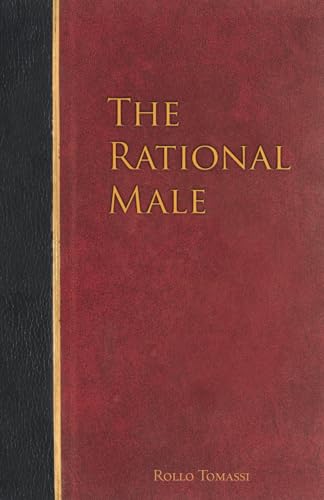
The Rational Male
Rollo Tomassi
View on Amazon →

Iron John
Robert Bly
View on Amazon →
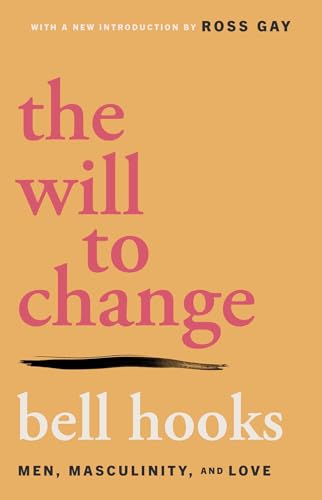
The Will to Change
bell hooks
View on Amazon →
As an Amazon Associate, The Masculinity Matrix earns from qualifying purchases.
Built With
This Site Was Built by Manus AI
The Masculinity Matrix — from the autoblog engine to the email sequences to this very page — was designed and built autonomously by Manus AI. If you're building something serious, it's worth a look.
Try Manus AI →