masculinity · personal development · stoicism
Stoicism for Men in 2026: The Complete Practical Guide Beyond Marcus Aurelius
Stoicism for Men in 2026 is a profound and practical philosophy that offers a robust framework for navigating the complexities of modern life with resilience, virtue, and inner peace. It is not merely an ancient school of thought but a living discipline, providing men with timeless tools to cultivate self-mastery, emotional fortitude, and a clear sense of purpose in a rapidly changing world. For men today, Stoicism offers an antidote to the anxieties of consumerism, the pressures of performance, and the existential drift that can undermine male identity and well-being.
In an era defined by constant digital stimulation, shifting societal expectations, and an often-overwhelming sense of global uncertainty, the principles of Stoicism offer a powerful anchor. It moves beyond simplistic self-help platitudes, inviting men to engage with a philosophy that demands rigorous self-examination, disciplined action, and a commitment to living in accordance with reason and virtue. This guide will delve into how Stoicism, while often associated with figures like Marcus Aurelius, offers a dynamic and evolving practice for the modern man, extending its wisdom into contemporary challenges and opportunities.
Table of Contents
- The Enduring Appeal of Stoicism for Modern Men
- Beyond Marcus Aurelius: Expanding the Stoic Canon
- The Core Tenets of Stoicism: A 2026 Reappraisal
- Practical Stoic Exercises for the 21st Century Man
- Stoicism and Emotional Intelligence: A Modern Synthesis
- Cultivating Resilience: Stoicism in the Face of Adversity
- The Stoic Man in Society: Leadership, Relationships, and Purpose
The Enduring Appeal of Stoicism for Modern Men
The landscape of male identity in 2026 is complex, marked by both unprecedented opportunities and profound challenges. Men are often caught between traditional expectations of strength and stoicism (lowercase 's') and contemporary calls for emotional openness and vulnerability. This tension can lead to confusion, isolation, and a sense of inadequacy. It is precisely into this crucible that Stoicism, as a philosophical system, offers a coherent and empowering path. Its enduring appeal lies in its ability to provide a framework for internal strength and self-possession, not through suppression, but through understanding and rational engagement with one's inner world and external circumstances.
The modern man is bombarded with external pressures: the relentless pursuit of success, the curated perfection of social media, the shifting sands of gender roles, and the pervasive anxiety of a world in flux. Stoicism provides a powerful counter-narrative, shifting the focus from external validation to internal virtue. It teaches that true power resides not in controlling what is outside of us, but in mastering our reactions, perceptions, and intentions. This emphasis on internal locus of control resonates deeply with men seeking genuine agency and meaning beyond the superficial. It's about building a robust psychological constitution that can withstand the inevitable storms of life, a skill more vital than ever in 2026.
The Crisis of Modern Masculinity and the Stoic Solution
Many men today experience a crisis of meaning, struggling to define what it means to be a man in a world that often seems to deconstruct traditional archetypes without offering compelling new ones. This vacuum can be filled by fleeting pleasures, external achievements, or even destructive behaviors. Stoicism offers a profound alternative: a philosophy that grounds masculinity in virtue, reason, and service. It provides a moral compass that transcends cultural whims, guiding men toward a life of integrity and purpose. By focusing on the four cardinal virtues – Wisdom, Courage, Justice, and Temperance – Stoicism offers a timeless blueprint for honorable male conduct. It's a call to build character from the inside out, rather than conforming to external pressures or fleeting trends.
Stoicism as an Antidote to Digital Overload and External Validation
The digital age, while offering connectivity, also presents a constant barrage of information, comparison, and the insidious pull of external validation. Social media cultivates a culture of performative living, where self-worth is often tied to likes, followers, and curated appearances. For men, this can exacerbate feelings of inadequacy and foster a relentless, often unfulfilling, pursuit of external markers of success. Stoicism directly confronts this by emphasizing the "dichotomy of control" – distinguishing between what is within our power (our thoughts, judgments, actions) and what is not (external events, other people's opinions, outcomes). This distinction is a powerful tool for disengaging from the digital rat race and reclaiming mental sovereignty. It teaches men to find contentment and purpose within themselves, rather than in the fickle approval of others or the fleeting highs of digital engagement.
The Search for Meaning and Purpose in a Secular Age
In an increasingly secular and fragmented world, many men are searching for a coherent worldview that provides meaning and purpose. Traditional institutions, once sources of guidance, may no longer hold the same sway. Stoicism, while not a religion, offers a philosophical framework that can fill this void. It provides a robust ethical system and a practical guide for living a good life, regardless of one's spiritual beliefs. It encourages men to reflect on their values, to align their actions with those values, and to contribute positively to their communities. This pursuit of virtue and contribution offers a profound sense of purpose that transcends material accumulation or transient pleasures. It's a philosophy that empowers men to build a life of substance and significance, rooted in principles rather than fleeting desires.
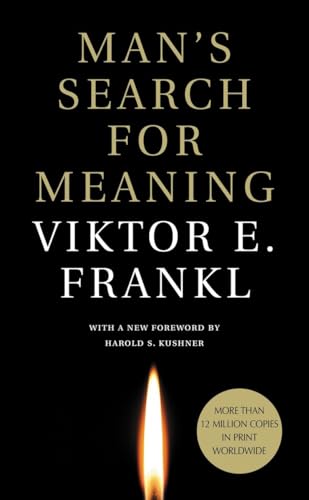
📚 Recommended Reading: Man's Search for Meaning Viktor Frankl's profound work explores the human quest for meaning, even in the most horrific circumstances, offering a powerful testament to the resilience of the human spirit and the importance of purpose, a core tenet echoed in Stoicism. [Amazon link: https://www.amazon.com/dp/080701429X?tag=seperts-20]
Beyond Marcus Aurelius: Expanding the Stoic Canon
While Marcus Aurelius's Meditations remains an indispensable entry point into Stoicism, presenting a deeply personal and introspective account of a Stoic emperor, the philosophy is far richer and more diverse than this single text suggests. To truly grasp Stoicism for Men in 2026, one must venture beyond the imperial musings and explore the foundational thinkers and their distinct contributions. This broader perspective reveals a more dynamic and comprehensive system, offering varied approaches and insights that are particularly relevant to the multifaceted challenges faced by men today.
Seneca, Epictetus, and the earlier Greek Stoics like Zeno and Chrysippus each offer unique lenses through which to understand and apply Stoic principles. Their writings provide different angles on core concepts, practical exercises, and ethical considerations, ensuring that the modern man has a well-rounded and adaptable understanding of this ancient wisdom. Relying solely on Marcus Aurelius, while valuable, can sometimes lead to an overly introspective or passive interpretation of Stoicism, when in fact, it is a philosophy of active engagement and robust action in the world.
Seneca: The Practical Strategist and Moral Guide
Lucius Annaeus Seneca, a Roman statesman, playwright, and philosopher, offers a more outward-facing and socially engaged perspective on Stoicism than Marcus Aurelius. His Letters from a Stoic (also known as Moral Letters to Lucilius) are a masterclass in practical ethics, addressing issues of friendship, grief, wealth, ambition, and the fear of death with clarity and directness. Seneca's writings are replete with actionable advice for navigating the complexities of public life and personal relationships. He emphasizes the importance of constant self-improvement, the wise use of time, and the cultivation of inner tranquility amidst external turmoil. For men grappling with career pressures, social obligations, and the demands of leadership, Seneca provides a powerful guide to maintaining integrity and peace of mind. His emphasis on pre-meditation of evils (premeditatio malorum) and the transient nature of external goods offers a pragmatic approach to managing expectations and cultivating resilience.
Epictetus: The Indomitable Slave and Teacher of Freedom
Epictetus, born a slave and later a revered teacher, offers perhaps the most direct and uncompromising articulation of the Stoic dichotomy of control. His Discourses and the Enchiridion (Handbook) are not philosophical treatises in the academic sense, but rather transcripts of his lectures, imbued with a passionate call to freedom through self-mastery. Epictetus teaches that true freedom lies in recognizing what is within our power (our judgments, desires, aversions) and what is not (our bodies, possessions, reputation, external events). He challenges men to shed their attachments to externals and to cultivate an unshakeable inner citadel. His philosophy is particularly potent for men who feel constrained by circumstances, societal expectations, or personal setbacks. Epictetus empowers individuals to take full responsibility for their inner lives, asserting that no external force can truly harm a man who has mastered his own mind. His teachings are a powerful reminder that dignity and freedom are always within reach, regardless of one's external status.
The Early Stoics: Zeno, Chrysippus, and the Foundations of Logic and Physics
While less accessible in their original texts, understanding the contributions of the early Greek Stoics like Zeno of Citium (the founder), Cleanthes, and Chrysippus is crucial for a complete appreciation of the philosophy. These thinkers laid the systematic groundwork for Stoicism's logic, physics, and ethics. Their physics, for instance, posited a rational, interconnected cosmos governed by an immanent divine reason (logos). This understanding of the universe as a coherent, ordered whole, rather than a chaotic jumble, informed their ethical framework. For the early Stoics, living "in accordance with nature" meant living in accordance with this universal reason, aligning one's individual reason with the cosmic order. While modern science has superseded some of their specific cosmological claims, the underlying principle of seeking to understand and align with the rational order of existence remains profoundly relevant. It encourages men to see themselves as part of a larger whole, fostering a sense of responsibility and interconnectedness, moving beyond narrow individualism.
The Core Tenets of Stoicism: A 2026 Reappraisal
At its heart, Stoicism is a practical philosophy, not a theoretical one. It's a way of life, a set of principles designed to help individuals live virtuously, rationally, and in harmony with nature. For men in 2026, these core tenets offer a powerful toolkit for navigating the complexities of modern existence, providing clarity amidst confusion and resilience in the face of adversity. Reappraising these tenets through a contemporary lens reveals their enduring relevance and adaptability. They are not rigid dogmas but flexible frameworks for self-improvement and ethical living.
The four cardinal virtues – Wisdom, Courage, Justice, and Temperance – serve as the bedrock of Stoic ethics. These are not abstract ideals but actionable qualities that men can cultivate daily in their thoughts, words, and deeds. Beyond these virtues, concepts like the dichotomy of control, the practice of negative visualization, and the understanding of amor fati (love of fate) provide practical methods for developing emotional fortitude and a profound sense of inner peace. These principles, when consistently applied, can transform a man's relationship with himself, others, and the world around him.
The Dichotomy of Control: Reclaiming Your Agency
The most fundamental Stoic principle, famously articulated by Epictetus, is the dichotomy of control: distinguishing between what is within our power and what is not. What is within our power are our judgments, opinions, desires, aversions, and actions – essentially, our inner life and responses. What is not within our power are external events, other people's actions, our health, reputation, wealth, and ultimately, life and death. For men in 2026, this distinction is revolutionary. It empowers them to stop wasting energy on things they cannot change and instead focus on cultivating their character and making virtuous choices. In a world that often feels overwhelming and uncontrollable, embracing the dichotomy of control is the ultimate act of reclaiming personal agency and mental freedom. It's about understanding that while you cannot control the waves, you can learn to surf.
The Four Cardinal Virtues: A Blueprint for Masculine Excellence
The Stoics believed that living a good life (eudaimonia) was synonymous with living a virtuous life. The four cardinal virtues are:
- Wisdom (Prudence): The ability to discern what is good, bad, or indifferent; to make sound judgments and understand the true nature of things. For the modern man, this means critical thinking, seeking knowledge, and applying reason to life's challenges.
- Courage (Fortitude): Not just physical bravery, but the moral courage to stand up for what is right, to face fear and adversity, and to persevere through difficulty. It's the courage to be vulnerable when appropriate, to speak truth, and to act despite uncertainty.
- Justice (Righteousness): Treating others fairly, acting with integrity, and contributing to the common good. This virtue emphasizes our interconnectedness and responsibility to society. For men, it means being a good partner, father, friend, and citizen.
- Temperance (Self-Control): Moderation in all things, self-discipline, and the ability to control one's impulses and desires. It's about mastering appetites, managing emotions, and living in balance.
These virtues are not separate but interconnected, each supporting and reinforcing the others. They provide a robust ethical framework for men seeking to build a life of integrity and purpose.
*Amor Fati* and Negative Visualization: Embracing Reality
Two powerful Stoic practices are amor fati (love of fate) and negative visualization. Amor fati is the radical acceptance, and even embrace, of everything that happens, not just the good, but also the challenging and difficult. It's the understanding that everything that occurs is part of the grand tapestry of existence, and to fight against it is to fight against reality itself. This doesn't mean passive resignation but an active affirmation of life as it unfolds, transforming obstacles into opportunities for growth.
Negative visualization, or premeditatio malorum, involves contemplating potential misfortunes – the loss of loved ones, health, possessions, or reputation. This is not morbid pessimism but a practical exercise designed to:
- Reduce anxiety: By mentally preparing for the worst, we diminish its power over us.
- Increase appreciation: By imagining loss, we learn to value what we currently have.
- Build resilience: By confronting potential difficulties in our minds, we strengthen our capacity to face them in reality.
These practices, far from being depressing, cultivate a profound sense of gratitude, inner peace, and an unshakeable fortitude in the face of life's inevitable challenges. They teach men to find strength not in avoiding pain, but in confronting and integrating it into their experience.
📚 Recommended Reading: The Obstacle Is the Way Ryan Holiday masterfully distills Stoic wisdom, particularly the idea that challenges are not roadblocks but opportunities for growth, making ancient philosophy accessible and actionable for modern men. [Amazon link: https://www.amazon.com/dp/1591846358?tag=seperts-20]
Practical Stoic Exercises for the 21st Century Man
Stoicism is not a philosophy to be merely studied, but one to be practiced. Its true power lies in its actionable exercises, designed to rewire our thinking, cultivate emotional resilience, and align our actions with our values. For men in 2026, integrating these ancient practices into daily life can provide a profound advantage in navigating a world that often feels chaotic and demanding. These are not abstract meditations but concrete mental and behavioral disciplines that, with consistent effort, yield tangible results in self-mastery and inner peace.
The challenge for the modern man is often finding the time and mental space for such practices amidst busy schedules and constant distractions. However, Stoic exercises are often designed to be integrated into everyday moments, transforming mundane activities into opportunities for philosophical reflection and growth. From journaling to mindful observation, these practices require commitment but offer an unparalleled return on investment in terms of psychological well-being and ethical living.
Step 1 of 5: The Daily Reflection (Evening Review)
The practice of daily reflection is a cornerstone of Stoic self-improvement, popularized by Seneca. Before bed, take 10-15 minutes to review your day.
- What went well? Acknowledge moments where you acted virtuously, exercised self-control, or made a positive impact.
- What could have been better? Identify instances where you fell short of your ideals, reacted impulsively, or allowed external events to disturb your peace.
- What did you learn? Extract lessons from both successes and failures. How can you apply this learning tomorrow?
- How did you use your time? Reflect on whether your actions aligned with your values and priorities.
This systematic self-assessment fosters self-awareness, reinforces good habits, and provides a continuous feedback loop for personal growth. It's a powerful tool for men to take ownership of their character development.
Step 2 of 5: Premeditation of Adversity (*Premeditatio Malorum*)
As discussed earlier, this involves consciously contemplating potential difficulties or losses.
- Choose a specific area: Consider your health, relationships, career, or possessions.
- Imagine a negative scenario: What if you lost your job? What if a loved one became ill? What if a project failed?
- Analyze your reaction: How would you feel? What would be within your control (your response, your efforts to adapt) and what wouldn't?
- Formulate a Stoic response: How would you maintain your virtue, reason, and inner tranquility in that situation?
This exercise desensitizes you to fear, builds mental resilience, and cultivates gratitude for what you have. It prepares the mind for inevitable setbacks, transforming potential shocks into anticipated challenges.
Step 3 of 5: Cognitive Distancing (Objective Representation)
This practice involves observing your thoughts and emotions without immediate judgment or identification. When a strong emotion (anger, fear, anxiety) arises, step back and describe the situation and your feelings objectively, as if you were an impartial observer.
- Instead of "I am angry," say "I am experiencing anger."
- Instead of "This situation is terrible," say "I am judging this situation as terrible."
This creates a crucial space between stimulus and response, allowing reason to intercede before impulsive reactions take hold. It's a powerful tool for emotional regulation and developing a more rational perspective on challenging events.
Step 4 of 5: The View from Above (Cosmic Perspective)
This exercise, often practiced by Marcus Aurelius, involves mentally zooming out to gain a broader perspective on your life and its challenges.
- Imagine your current problem: A work deadline, a relationship conflict, a personal frustration.
- Zoom out: Imagine your house, your city, your country, the Earth, the solar system, the galaxy, the universe.
- Reflect: From this vast perspective, how significant is your problem? How much space and time does it truly occupy?
This practice helps to diminish the perceived magnitude of personal troubles, fostering humility, reducing self-importance, and reminding us of our place in the grand scheme of things. It cultivates a sense of tranquility by putting things into perspective.
Step 5 of 5: Voluntary Discomfort (Asceticism)
Periodically and intentionally expose yourself to minor discomforts or deprivations.
- Take a cold shower.
- Fast for a meal.
- Walk instead of driving for a short distance.
- Temporarily give up a small luxury (e.g., coffee, a favorite snack).
This practice, known as askesis, builds mental toughness, reduces dependence on external comforts, and reminds us that we can thrive with less. It's a powerful way for men to cultivate self-reliance and appreciate the abundance they often take for granted. It strengthens the will and prepares one for involuntary hardships.
Stoicism and Emotional Intelligence: A Modern Synthesis
For too long, Stoicism has been misunderstood as a philosophy that advocates for the suppression or eradication of emotions. This misinterpretation often leads to the stereotype of the "stoic" man (lowercase 's') as emotionally cold, unfeeling, or detached. However, a deeper understanding of Stoic principles reveals a sophisticated approach to emotions that is remarkably aligned with modern concepts of emotional intelligence (EQ). For men in 2026, integrating Stoic wisdom with contemporary EQ frameworks offers a powerful path to not just managing emotions, but understanding, processing, and leveraging them for personal growth and healthier relationships.
Emotional intelligence, broadly defined, involves the ability to identify, understand, manage, and use emotions effectively. Stoicism, rather than denying emotions, teaches us to recognize their nature, understand their origins (often in our judgments), and prevent them from leading us astray. It's about cultivating a rational relationship with our inner emotional landscape, allowing us to respond thoughtfully rather than react impulsively. This synthesis provides men with a robust framework for navigating the emotional complexities of modern life, fostering genuine connection, and leading with empathy and wisdom.
Understanding Emotions: The Stoic Perspective vs. Modern EQ
| Feature | Stoic Perspective | Modern Emotional Intelligence (EQ) |
|---|---|---|
| Nature of Emotions | Passions (pathē) are disturbances of the mind, arising from irrational judgments about what is good or bad. | Emotions are natural physiological and psychological responses to stimuli, carrying valuable information. |
| Goal | Apatheia (freedom from disturbing passions), leading to Eudaimonia (flourishing). | Emotional regulation, self-awareness, empathy, and social skills for effective functioning. |
| Approach to Negative Emotions | Identify irrational judgments causing them; reframe perceptions; prevent their rise through reason. | Acknowledge, understand the trigger, process, and regulate; learn from the information they provide. |
| Role of Reason | Paramount. Reason is the master of passions, guiding us to virtuous action. | Essential for understanding and managing emotions; integrates with emotional experience. |
| Expression | Controlled, rational expression; avoid being swept away. | Appropriate, authentic expression; balance between suppression and uncontrolled outburst. |
| Self-Awareness | Constant self-examination of judgments and impulses. | Identifying one's own emotions, strengths, weaknesses, values. |
| Empathy | Understanding others' judgments and perspectives to act justly and benevolently. | Recognizing and understanding the emotions of others; perspective-taking. |
The Role of Judgment in Emotional Responses
A core Stoic insight is that our emotions are not caused by external events themselves, but by our judgments about those events. As Epictetus famously said, "Men are disturbed not by things, but by the views which they take of them." If a man gets angry, it's not the traffic jam that makes him angry, but his judgment that the traffic jam shouldn't be happening, that it's unfair, or that it's ruining his day. By recognizing this, men gain immense power. They can challenge their irrational judgments, reframe their perceptions, and thus change their emotional responses. This is a foundational skill in emotional intelligence – the ability to pause, reflect on the interpretation of an event, and choose a more constructive response rather than being a slave to automatic emotional reactions. This practice is crucial for men seeking to maintain composure and clarity in high-pressure situations, whether in the workplace or within personal relationships.
Cultivating Empathy and Compassion through Stoicism
While often seen as individualistic, Stoicism strongly emphasizes our interconnectedness and duty to humanity (cosmopolitanism). The Stoics believed that all humans are part of a single rational community. This understanding naturally leads to empathy and compassion. By recognizing that others, like ourselves, are striving to live according to their best judgment (even if misguided), and are subject to the same human frailties, we can cultivate understanding rather than judgment. Marcus Aurelius frequently reminded himself to act with benevolence and justice towards others, recognizing their shared humanity. For men, this means moving beyond a purely self-centered view, developing the capacity to understand and share the feelings of others, and acting in ways that benefit the wider community. This isn't about emotional effusiveness, but about a rational, principled approach to human connection and social responsibility, fostering healthier relationships and more effective leadership.
Cultivating Resilience: Stoicism in the Face of Adversity
Resilience is not merely bouncing back from adversity; it's the capacity to adapt, grow, and even thrive in the face of stress, trauma, or significant life changes. For men in 2026, cultivating resilience is paramount. The world presents an array of challenges, from economic uncertainties and geopolitical instability to personal setbacks and the relentless pace of change. Stoicism, with its emphasis on inner fortitude, rational acceptance, and proactive preparation, offers a time-tested framework for building an unshakeable spirit. It teaches men that while they cannot control external events, they always retain control over their perceptions, judgments, and responses – the ultimate source of true resilience.
The Stoic approach to adversity is not about denying pain or pretending that difficulties don't exist. Instead, it's about acknowledging reality, understanding what is within one's control, and then acting virtuously and rationally. This perspective transforms obstacles from debilitating roadblocks into opportunities for character development and the exercise of virtue. It equips men with the mental tools to face life's inevitable storms not with fear, but with a calm, reasoned determination.
The Art of Acceptance: *Amor Fati* in Action
The concept of amor fati, or "love of fate," is a radical form of acceptance that lies at the heart of Stoic resilience. It's not simply tolerating what happens, but actively embracing it as necessary and even beneficial for one's growth. When faced with a difficult situation – a job loss, a health crisis, a relationship breakdown – the Stoic asks: "What is this situation teaching me? How can I use this as an opportunity to practice virtue?" This perspective shifts the narrative from victimhood to agency. Instead of railing against what is, the resilient man seeks to understand and integrate it into his life's journey. This doesn't mean ignoring the pain or sadness, but rather accepting it as part of the human experience and then choosing to respond constructively. For men, this can be a powerful antidote to the sense of helplessness that often accompanies significant setbacks.
Turning Obstacles into Opportunities: The Proactive Mindset
The Stoics viewed obstacles not as impediments to success, but as raw material for the exercise of virtue. Every challenge is an opportunity to practice courage, wisdom, justice, or temperance. If a man faces a difficult project at work, it's a chance to demonstrate diligence and problem-solving (wisdom). If he encounters unfair criticism, it's an opportunity to practice self-control and respond with equanimity (temperance). This proactive mindset transforms the experience of adversity. Instead of being a passive recipient of misfortune, the Stoic man actively seeks out the lessons and opportunities for growth embedded within every challenge. This approach fosters a sense of purpose and meaning even in difficult times, knowing that every struggle contributes to the strengthening of one's character.
Building an Inner Citadel: Fortifying the Mind Against External Shocks
The "inner citadel" is a metaphor used by Marcus Aurelius to describe the unassailable fortress of the mind, a place of inner peace and rational thought that remains untouched by external events. Building this citadel is the ultimate goal of Stoic practice. It involves consistently applying the dichotomy of control, practicing negative visualization, and cultivating the cardinal virtues. When external shocks occur – a market crash, a personal betrayal, a natural disaster – the man with a strong inner citadel is not immune to the initial impact, but he is able to quickly regain his composure, assess the situation rationally, and respond effectively. His well-being is not dependent on fickle external circumstances but on his own internal state of mind. This mental fortress provides a profound sense of security and stability, allowing men to navigate life's inevitable turbulence with grace and strength.
✅ Resilience Checklist for the Modern Man:
- ✅ Do I regularly distinguish between what I can control and what I cannot?
- ✅ Do I practice negative visualization to prepare for potential setbacks?
- ✅ Do I actively seek lessons and opportunities for growth in every challenge?
- ✅ Do I review my day to identify areas for improvement in my responses to adversity?
- ✅ Do I cultivate gratitude for what I have, especially after contemplating its potential loss?
- ✅ Do I consciously choose my response to difficult situations, rather than reacting impulsively?
- ✅ Am I building my character and virtues as my primary source of strength?
The Stoic Man in Society: Leadership, Relationships, and Purpose
Stoicism is not a philosophy of isolation or withdrawal; it is a philosophy for living robustly and virtuously in the world. For men in 2026, understanding how Stoic principles apply to their roles in society – as leaders, partners, fathers, friends, and citizens – is crucial for building a life of meaning and impact. The Stoic man is not detached but deeply engaged, committed to justice, benevolence, and contributing to the common good. His strength is not expressed through dominance or aggression, but through integrity, self-mastery, and a steadfast commitment to his responsibilities.
This social dimension of Stoicism challenges simplistic notions of masculinity that equate strength with emotional suppression or individualistic ambition. Instead, it offers a vision of masculine excellence rooted in communal responsibility, ethical leadership, and the cultivation of harmonious relationships. The Stoic man understands that his own flourishing is inextricably linked to the flourishing of his community and the wider world. He seeks to lead by example, to serve with purpose, and to build connections based on respect and shared values.
Stoic Leadership: Leading with Virtue and Reason
A Stoic leader, whether in a boardroom, a family, or a community, leads not through charisma or coercion, but through virtue and reason. He embodies the cardinal virtues:
- Wisdom: Making informed, rational decisions for the greater good, not swayed by personal gain or popular opinion.
- Courage: Taking difficult stands, facing challenges head-on, and persevering through adversity for the sake of his mission.
- Justice: Treating all stakeholders fairly, upholding principles of equity, and acting with integrity.
- Temperance: Exercising self-control, avoiding impulsivity, and maintaining composure under pressure.
The Stoic leader understands that his primary duty is to serve those he leads, not to aggrandize himself. He practices empathy, seeks to understand diverse perspectives, and prioritizes the well-being of the collective. His authority stems from his character and his consistent demonstration of these virtues, inspiring trust and respect. In a world often starved for ethical leadership, the Stoic model offers a powerful and enduring alternative.
Building Stronger Relationships: Love, Friendship, and Family
Stoicism provides a robust framework for building deep, resilient relationships. It teaches men to:
- Practice Empathy: By understanding that others, like ourselves, are striving to live according to their best judgment, even if flawed, we can approach them with greater patience and compassion.
- Focus on What You Control: In relationships, we can control our own actions, words, and intentions, but not the other person's responses or feelings. This reduces frustration and fosters healthy boundaries.
- Value Shared Virtue: The deepest connections are often forged through shared values and a mutual commitment to growth and virtue, rather than superficial commonalities.
- Accept Imperfection: Both in ourselves and others, recognizing that all humans are fallible. Amor fati extends to accepting the imperfections of those we love.
- Practice Benevolence: Actively seeking to do good for others, offering support, and being a reliable presence.
For men navigating the complexities of romantic partnerships, fatherhood, and friendships in 2026, these principles offer a path to more fulfilling, authentic, and enduring connections. They emphasize a love that is active, rational, and rooted in mutual respect and shared purpose.
Finding Purpose: Contributing to the Common Good
The Stoic concept of oikeiosis, or "appropriation," describes the natural human tendency to extend our concern from ourselves to our family, friends, community, and ultimately, all of humanity. This expanding circle of concern is the foundation for finding purpose beyond individualistic pursuits. The Stoic man understands that true flourishing is not merely personal but communal. He seeks to contribute positively to the world, to leave it a little better than he found it. This might manifest in civic engagement, mentorship, charitable work, or simply by performing his daily duties with excellence and integrity. This commitment to the common good provides a profound sense of purpose, transcending fleeting pleasures and personal ambitions. It aligns with the idea that a man's worth is not just in what he achieves for himself, but in how he serves others and upholds the dignity of humanity. This is a crucial aspect of a mature, integrated masculinity, as explored on The Masculinity Matrix.
📚 Recommended Reading: King, Warrior, Magician, Lover Moore and Gillette explore archetypal patterns of mature masculinity, providing a psychological lens that complements Stoic virtues, offering men a deeper understanding of their inner landscape and potential. [Amazon link: https://www.amazon.com/dp/0062506064?tag=seperts-20]
Frequently Asked Questions
Q: Is Stoicism about suppressing emotions? A: No, Stoicism is not about suppressing emotions, but rather understanding them, questioning the judgments that give rise to them, and preventing them from controlling our rational mind. It's about managing emotions, not eradicating them, to ensure they don't lead to irrational actions or inner disturbance.
Q: How is Stoicism different from simply being "stoic" (emotionless)? A: Being "stoic" (lowercase 's') often implies emotional detachment or an inability to express feelings. Stoicism (uppercase 'S') is a philosophical system that values reason, virtue, and inner tranquility. It encourages appropriate emotional responses, but always guided by reason and virtue, not impulsive reactions.
Q: Can Stoicism help with anxiety and stress in 2026? A: Absolutely. Stoicism's core principles, such as the dichotomy of control and negative visualization, are powerful tools for managing anxiety and stress. By focusing on what you can control (your thoughts and actions) and preparing for potential difficulties, you can significantly reduce worry and cultivate inner peace.
Q: Is Stoicism compatible with modern relationships and intimacy? A: Yes, Stoicism can greatly enhance modern relationships. It encourages empathy, rational communication, acceptance of others' imperfections, and focusing on one's own virtuous conduct. This fosters deeper, more resilient connections based on respect and shared values, rather than fleeting emotions.
Q: What's the best way for a beginner to start practicing Stoicism beyond Marcus Aurelius? A: For beginners, after Marcus Aurelius, delve into Epictetus's Enchiridion for direct, actionable advice on the dichotomy of control. Then, explore Seneca's Letters from a Stoic for practical wisdom on navigating social and personal challenges. Consistent daily reflection and practical exercises are key.
Q: Is Stoicism a religion or spiritual practice? A: Stoicism is a philosophy, not a religion. While it has a cosmological view that includes a rational, divine logos governing the universe, it does not require belief in a specific deity or afterlife. It is a practical guide for living a virtuous life, compatible with various spiritual or secular beliefs.
Q: Stoicism vs. Mindfulness: Are they similar? A: There are significant overlaps between Stoicism and mindfulness. Both emphasize present moment awareness, objective observation of thoughts, and non-judgmental acceptance. However, Stoicism adds a strong ethical framework and a focus on actively challenging irrational judgments through reason, which goes beyond mere observation.
Q: How does Stoicism apply to career and professional success in 2026? A: Stoicism provides a powerful foundation for professional success. It cultivates resilience in the face of setbacks, promotes rational decision-making, encourages ethical conduct (justice), and fosters self-discipline (temperance). A Stoic professional focuses on performing their duties with excellence, regardless of external outcomes, leading to integrity and long-term impact.
Conclusion
Stoicism for Men in 2026 is far more than an academic pursuit; it is a vital, living philosophy offering a profound and practical guide for navigating the complexities of modern masculinity. Moving beyond the singular lens of Marcus Aurelius, we discover a rich tapestry of thought from Seneca, Epictetus, and the early Stoics, each offering unique insights into building an unshakeable inner citadel. This philosophy equips men with the tools to cultivate self-mastery, emotional intelligence, and unwavering resilience in a world often characterized by uncertainty and external pressures.
By embracing the dichotomy of control, practicing the cardinal virtues, and integrating exercises like negative visualization and daily reflection, men can transform challenges into opportunities for growth, forge deeper relationships, and lead with integrity and purpose. Stoicism offers a blueprint for a masculinity rooted in reason, virtue, and service – a masculinity that is both strong and compassionate, capable of weathering any storm while contributing meaningfully to the common good. It is a philosophy not of detachment, but of profound engagement with life, lived deliberately and with unwavering commitment to what truly matters.
The Masculinity Matrix releases October 1, 2026. Join the early access list to be notified the moment it drops — and get the free 20-page reader magnet The Five Masculine Wounds instantly.
This article contains Amazon affiliate links. If you purchase through them, The Masculinity Matrix earns a small commission at no extra cost to you.
Share This Dispatch
masculinity
The Discipline Gap: How Modern Men Can Build Unbreakable Daily Habits in 2026
masculinity
Why Men Are Losing Their Sense of Purpose — And the 5-Step Framework to Reclaim It in 2026
masculinity
How to Raise Sons With Strong Character in a Confusing World (2026 Edition)
Further Reading
Man's Search for Meaning
Viktor Frankl
View on Amazon →

The Obstacle Is the Way
Ryan Holiday
View on Amazon →
The Rational Male
Rollo Tomassi
View on Amazon →
As an Amazon Associate, The Masculinity Matrix earns from qualifying purchases.
Built With
This Site Was Built by Manus AI
The Masculinity Matrix — from the autoblog engine to the email sequences to this very page — was designed and built autonomously by Manus AI. If you're building something serious, it's worth a look.
Try Manus AI →