masculinity · personal development
The Modern Man's Guide to Accountability: How to Stop Making Excuses in 2024
Accountability is the bedrock of masculine integrity and self-mastery. It is the conscious choice to own one's actions, decisions, and their consequences, rather than deflecting blame or succumbing to victimhood. For men today, embracing true accountability is paramount for forging a life of purpose, building genuine relationships, and navigating the complexities of a world that often encourages evasion.
The journey of a man is not defined by the absence of failure, but by his response to it. In an age saturated with distractions and narratives that often dilute personal responsibility, understanding and embodying accountability becomes a radical act of self-authorship. This guide will explore the philosophical underpinnings and practical applications of true accountability, offering a roadmap for men to shed the burden of excuses and step into their authentic power.
Table of Contents
- The Philosophy of Self-Authorship: Why Accountability Matters
- Deconstructing the Excuse: Understanding Its Roots
- The Four Pillars of Accountable Action
- Practical Strategies for Cultivating Radical Honesty
- Accountability in Relationships: Building Trust and Respect
- Overcoming the Fear of Failure and Judgment
- The Accountable Man: A Blueprint for a Purposeful Life
The Philosophy of Self-Authorship: Why Accountability Matters
At the heart of genuine masculine development lies the concept of self-authorship – the process by which a man actively constructs his own identity, values, and life narrative, rather than passively accepting external definitions. Accountability is not merely a behavioral trait; it is a profound philosophical stance that asserts one's agency in the world. To be accountable is to declare, "I am the primary architect of my experience," a declaration that stands in stark contrast to the narratives of victimhood or external determinism that often permeate modern discourse.
This commitment to self-authorship is what distinguishes a man who navigates life with purpose from one who drifts aimlessly. It acknowledges that while external circumstances may be beyond our control, our response to them is always within our power. This isn't about blaming oneself for every misfortune, but rather about taking responsibility for one's reactions, choices, and the trajectory of one's character. Without this foundational commitment, true personal growth, meaningful relationships, and the achievement of significant goals remain elusive. It is the very ground upon which a man builds his integrity and earns the respect of others, and more importantly, himself.
The Stoic Imperative: Control What You Can Control
Ancient Stoic philosophy offers a powerful framework for understanding accountability. Philosophers like Epictetus and Marcus Aurelius emphasized the critical distinction between what is within our control (our judgments, impulses, desires, and aversions) and what is not (external events, other people's opinions, the past, the future). The Stoic imperative is to focus our energy and attention solely on what is within our control, accepting everything else with equanimity. This perspective directly underpins accountability: we are responsible for our internal world and our responses, regardless of external provocations.
For the modern man, this means recognizing that while traffic jams, economic downturns, or the actions of others might be frustrating, his anger, anxiety, or choice to lash out are his responsibility. It's not about suppressing emotion, but about choosing a constructive response. Embracing this Stoic principle empowers a man to reclaim his inner sovereignty, preventing external circumstances from dictating his emotional state or his actions. It's a profound shift from being a reactor to being a deliberate actor in his own life.
The Existential Weight of Choice
Existentialist thinkers, from Søren Kierkegaard to Jean-Paul Sartre, grappled with the profound freedom and responsibility inherent in human existence. Sartre famously declared, "Man is condemned to be free," meaning that we are entirely responsible for our choices and actions, with no pre-ordained nature or divine authority to fall back on. This freedom, while liberating, also carries an immense weight: the burden of accountability for who we become. There are no excuses in the existentialist view; every decision, every inaction, shapes our essence.
This philosophical perspective challenges men to confront the reality that they are constantly defining themselves through their choices. To shirk accountability is to deny this fundamental freedom and to live in bad faith, pretending that external forces are solely responsible for one's predicament. Embracing the existential weight of choice means recognizing that every moment presents an opportunity for self-creation, and that a man's character is forged in the crucible of his decisions, not merely in the circumstances he encounters. It is a call to conscious, deliberate living.
Integrity as the Foundation of Self-Respect
Integrity, derived from the Latin integritas meaning "wholeness," is the state of being undivided, complete, and consistent in one's character. Accountability is the practical expression of integrity. When a man is accountable, his words align with his actions, his intentions with his outcomes. This congruence is not merely about external perception; it is about internal coherence and self-respect. A man who consistently makes excuses or blames others erodes his own sense of integrity, creating a chasm between who he claims to be and who he actually is.
This internal dissonance leads to a pervasive sense of unease, a lack of self-trust that undermines confidence and purpose. Conversely, a man who consistently takes responsibility, even for failures, builds a robust sense of self-respect. He knows he can count on himself, and this inner strength radiates outward, earning the genuine respect of others. Integrity is not a garment to be worn; it is the very fabric of a man's being, woven thread by thread through consistent, accountable action. It is the ultimate measure of his character and his worth.
Deconstructing the Excuse: Understanding Its Roots
Excuses are not merely convenient deflections; they are complex psychological mechanisms rooted in self-preservation, fear, and a desire to avoid discomfort. To truly stop making excuses, a man must first understand why he makes them. This requires an honest, often uncomfortable, introspection into the underlying motivations that drive these evasive behaviors. Excuses serve as a temporary shield against perceived threats to our ego, our self-image, or our comfort, but they ultimately prevent genuine growth and self-mastery.
The common thread among all excuses is a desire to externalize blame or minimize personal agency. Whether it's "I didn't have enough time," "It's not my fault, they messed up," or "I'm just not good at that," each statement subtly shifts responsibility away from the self. Unpacking these roots is the first critical step in dismantling the excuse-making habit and cultivating a more robust, accountable mindset. It's about moving beyond the surface-level justification to the deeper psychological need it serves.
The Comfort of Blame and Victimhood
One of the most insidious roots of excuse-making is the perceived comfort found in blame and victimhood. When a man blames external circumstances, other people, or even his past, he temporarily absolves himself of responsibility for his current situation or lack of progress. This offers a fleeting sense of relief, as it removes the burden of action and the discomfort of self-reflection. However, this comfort comes at a steep price: it disempowers him. By casting himself as a victim, he surrenders his agency and places his fate in the hands of external forces.
This mindset can become a self-reinforcing cycle. The more a man blames, the less he acts. The less he acts, the more his circumstances remain unchanged, reinforcing his belief that he is a victim. Breaking free from this cycle requires a conscious and often painful decision to reclaim agency, even when it means acknowledging one's own role in undesirable outcomes. It's a choice to trade temporary comfort for lasting power and self-respect.
📚 Recommended Reading: Man's Search for Meaning by Viktor Frankl Frankl's profound work illustrates how even in the most horrific circumstances, individuals retain the freedom to choose their attitude and find meaning, offering a powerful antidote to victimhood. [Amazon link: https://www.amazon.com/dp/080701429X?tag=seperts-20]
Fear of Failure and Judgment
Another powerful driver of excuses is the fear of failure and the accompanying fear of judgment. If a man attempts something and fails, he might face criticism, ridicule, or simply the painful realization that he wasn't good enough. Excuses provide a convenient pre-emptive strike or a post-hoc rationalization to mitigate this perceived threat. "I didn't try hard enough" or "The conditions weren't right" are often veiled attempts to protect a fragile ego from the sting of inadequacy.
This fear can paralyze action, leading to procrastination or avoidance. A man might make excuses for not pursuing a new career, not starting a difficult conversation, or not committing to a challenging goal, all to avoid the potential discomfort of failure. Overcoming this requires a redefinition of failure itself—seeing it not as an end, but as a necessary component of learning and growth. It also demands cultivating resilience and a robust sense of self-worth that is not solely dependent on external validation or perfect outcomes.
The Illusion of Control and Perfectionism
Paradoxically, a desire for absolute control and an underlying perfectionism can also fuel excuse-making. A man might delay action or avoid commitments because he feels he doesn't have all the information, all the resources, or can't guarantee a perfect outcome. This pursuit of an unattainable ideal often serves as an excuse for inaction. The belief that "if I can't do it perfectly, I shouldn't do it at all" is a common trap.
This illusion of control can also manifest as an inability to delegate or trust others, leading to an overload of responsibilities and then, inevitably, excuses for not completing them. True accountability acknowledges the inherent messiness and unpredictability of life. It embraces the concept of "good enough" and the necessity of taking imperfect action. It understands that progress, not perfection, is the true measure of effort. Releasing the need for absolute control allows a man to engage with reality as it is, rather than as he wishes it to be, fostering a more proactive and less excuse-driven approach to life.
The Four Pillars of Accountable Action
To move beyond the realm of excuses and into a life of proactive responsibility, a man must cultivate specific habits and mindsets. These can be distilled into four foundational pillars that support consistent, accountable action. These pillars are not merely theoretical concepts; they are practical disciplines that, when consistently applied, transform a man's relationship with himself and the world around him. They are the scaffolding upon which a robust and resilient character is built, enabling him to navigate challenges with integrity and purpose.
These pillars are interconnected, each reinforcing the others. Neglecting one will inevitably weaken the entire structure of a man's accountability. They represent a holistic approach to self-mastery, moving beyond superficial behavioral changes to a deeper transformation of mindset and character.
Step 1 of 4: Radical Self-Awareness
The first pillar is radical self-awareness. This means honestly assessing one's strengths, weaknesses, motivations, and biases without judgment or self-deception. It's about understanding why you do what you do, why you procrastinate, why you react in certain ways. This isn't a fleeting introspection but a continuous, disciplined practice of observing one's internal landscape. It involves asking uncomfortable questions: "What role did I play in this outcome?" "What fear am I avoiding right now?" "What excuse am I about to make, and what is its true purpose?"
Without self-awareness, a man operates on autopilot, driven by unconscious patterns and impulses. He cannot take responsibility for what he does not understand about himself. This pillar requires courage, as it often means confronting uncomfortable truths about one's own shortcomings or contributions to negative situations. Journaling, meditation, and seeking honest feedback from trusted mentors or friends can be invaluable tools in cultivating this essential self-knowledge. It is the prerequisite for all other forms of accountability.
Step 2 of 4: Ownership of Intent and Impact
The second pillar is the ownership of both intent and impact. Many men are quick to defend their intentions ("I didn't mean to hurt you," "I was trying to help"), but true accountability demands owning the impact of their actions, regardless of intent. While good intentions are valuable, they do not absolve a man of the consequences his actions create. This means listening to feedback, observing outcomes, and acknowledging when one's behavior has caused harm or created unintended problems, even if the original motivation was pure.
This pillar also extends to owning one's decisions fully. When a man commits to a task, a relationship, or a goal, he takes full ownership of the process and the outcome. If things go awry, he doesn't externalize blame but asks, "What could I have done differently?" This shifts the focus from defensive justification to proactive learning and improvement. It's a powerful move from a reactive stance to a proactive one, central to a man's personal development.
Step 3 of 4: Proactive Problem Solving
The third pillar is proactive problem-solving. An accountable man doesn't just identify problems; he actively seeks solutions. When faced with a challenge or a setback, his first instinct isn't to lament or complain, but to ask, "What can be done now?" This involves taking initiative, seeking resources, and implementing strategies to address the issue. It moves beyond merely acknowledging a problem to actively engaging with it.
This pillar requires a mindset of resourcefulness and resilience. Instead of waiting for others to fix things or for circumstances to magically improve, the accountable man steps forward. This might mean admitting a mistake and then proposing a corrective course of action, or identifying a gap and then taking steps to fill it. It's about demonstrating agency and a commitment to positive change, rather than passively observing or complaining about difficulties.
Step 4 of 4: Consistent Follow-Through
The final and arguably most visible pillar is consistent follow-through. This means doing what you say you will do, when you say you will do it. It's about honoring commitments, both to oneself and to others. Lack of follow-through is a primary indicator of a lack of accountability, as it erodes trust and undermines credibility. This pillar requires discipline, self-control, and a steadfast commitment to one's word.
Consistent follow-through builds a man's reputation, not just with others, but with himself. Every time a man honors a commitment, he reinforces his self-trust and strengthens his character. Conversely, every time he fails to follow through, he weakens his resolve and his belief in his own capabilities. This pillar is the ultimate test of a man's integrity and his commitment to the other three pillars. It is the practical manifestation of all his intentions and self-awareness.
Practical Strategies for Cultivating Radical Honesty
Cultivating radical honesty is not just about telling the truth to others; it's fundamentally about being ruthlessly honest with oneself. This internal honesty is the engine of accountability, allowing a man to see his own contributions to situations without the distorting lens of ego or self-preservation. It's a continuous practice that requires courage, discipline, and a willingness to confront uncomfortable truths. Without this internal honesty, all attempts at external accountability will be superficial and unsustainable.
These strategies are designed to strip away the layers of self-deception that often obscure a man's true motivations and responsibilities. They are tools for self-discovery and self-correction, enabling a man to build a more authentic and powerful relationship with himself.
The Daily Self-Audit: Journaling and Reflection
One of the most powerful tools for cultivating radical honesty is the daily self-audit, primarily through journaling and reflective practice. Dedicate time each day (even just 10-15 minutes) to honestly review your actions, decisions, and emotional responses. Ask yourself questions like:
- Where did I make an excuse today, and what was the real reason behind it?
- What commitment did I make, and did I follow through? If not, why?
- How did my actions impact others, regardless of my intent?
- What uncomfortable truth am I avoiding about myself or my situation?
This practice, similar to the Stoic evening review, creates a feedback loop that highlights patterns of excuse-making and self-deception. It allows a man to catch himself in the act and to understand the underlying triggers. Over time, this consistent self-reflection strengthens self-awareness and makes it increasingly difficult to lie to oneself, thus fostering genuine accountability. It's a private space for brutal honesty, free from external judgment.
Seeking and Accepting Unfiltered Feedback
While self-reflection is crucial, external feedback provides an invaluable mirror, often revealing blind spots we cannot see ourselves. Actively seek out unfiltered feedback from trusted individuals—mentors, partners, close friends, or even colleagues. When receiving feedback, the key is to listen without defensiveness, without immediately formulating a rebuttal or an excuse. The goal is to understand their perspective and the impact of your actions, not to defend your intentions.
This requires humility and a willingness to be vulnerable. Ask specific questions: "How did my handling of X affect you?" "What could I have done better in situation Y?" "Do you ever see me making excuses, and if so, when?" Thank them for their honesty, even if the feedback is difficult to hear. Remember, the purpose is growth, not validation. The ability to accept and integrate critical feedback is a hallmark of a mature, accountable man.
📚 Recommended Reading: No More Mr. Nice Guy by Robert Glover Glover's work helps men identify and overcome patterns of people-pleasing and indirect communication, fostering a more direct and honest approach to self and relationships. [Amazon link: https://www.amazon.com/dp/0762415339?tag=seperts-20]
The "No Excuses" Challenge: A Time-Bound Experiment
To actively break the habit of excuse-making, consider implementing a "No Excuses" challenge for a defined period, perhaps 30 days. During this time, commit to consciously identifying and eliminating all excuses, big or small. Whenever you feel an excuse forming, pause and reframe it. Instead of "I don't have time," say "I am choosing not to prioritize this right now." Instead of "It's too hard," say "I haven't developed the skills for this yet."
This challenge forces a man to confront the language he uses and the underlying beliefs it represents. It highlights how often excuses are used as a default response. The goal isn't necessarily to become superhuman, but to become acutely aware of the excuse-making mechanism and to consciously choose a more empowering narrative. This practice builds mental discipline and reinforces the habit of taking ownership, even in the face of difficulty.
Accountability in Relationships: Building Trust and Respect
Accountability is not solely an individual pursuit; it is the cornerstone of healthy, functional relationships. Whether with a partner, family, friends, or colleagues, a man's willingness to take responsibility for his words and actions directly impacts the level of trust, respect, and intimacy he can cultivate. In an era where relational dynamics are often fraught with miscommunication and blame, the accountable man stands out as a beacon of reliability and integrity.
Relationships thrive on predictability and trust. When a man consistently demonstrates accountability, he signals to others that he is dependable, honest, and committed to resolving issues rather than avoiding them. This builds a robust foundation that can withstand disagreements, challenges, and the inevitable imperfections of human interaction.
The Power of a Sincere Apology
A sincere apology is a powerful act of accountability. It's not merely saying "I'm sorry," but acknowledging the specific harm caused, expressing genuine remorse, and taking responsibility for one's actions without qualification or deflection. A truly accountable apology does not include "if" or "but" ("I'm sorry if you felt hurt," or "I'm sorry but you also..."). It focuses solely on one's own contribution to the problem.
A sincere apology rebuilds trust by demonstrating humility and a willingness to prioritize the relationship over one's own ego. It communicates respect for the other person's feelings and experiences. For many men, apologizing can be difficult, as it may feel like an admission of weakness. However, in reality, it is an act of immense strength and emotional maturity, signaling a man's capacity for self-reflection and empathy.
Setting and Honoring Boundaries
Accountability in relationships also extends to setting and honoring clear boundaries. This means being honest about one's own limits, needs, and expectations, and then consistently upholding them. It's about taking responsibility for protecting one's own well-being and communicating those needs effectively to others. Conversely, it also means respecting the boundaries that others set.
When a man fails to set boundaries, he often ends up resentful, overcommitted, or feeling taken advantage of, which can then lead to passive-aggressive behavior or excuses for not fulfilling obligations. When he fails to honor others' boundaries, he demonstrates a lack of respect and a disregard for their agency. Setting and honoring boundaries is a reciprocal act of accountability that fosters mutual respect and prevents the emotional entanglement that often leads to conflict.
The Accountability Partner: A Mutual Commitment
For men seeking to deepen their commitment to accountability, engaging with an accountability partner can be transformative. This is a trusted individual (a friend, mentor, or coach) with whom you mutually agree to share your goals, challenges, and progress. The role of the accountability partner is not to fix your problems, but to listen, offer honest feedback, and hold you to your stated commitments.
This relationship thrives on mutual transparency and a shared commitment to growth. Regularly checking in with an accountability partner (e.g., weekly or bi-weekly) creates an external pressure that can help overcome procrastination and the temptation to make excuses. Knowing that someone else is aware of your commitments and progress can be a powerful motivator, reinforcing the habit of follow-through and honest self-assessment. This external structure helps internalize the discipline of accountability.
Overcoming the Fear of Failure and Judgment
The fear of failure and the fear of judgment are often the most significant psychological barriers to embracing full accountability. These fears can lead men to avoid risks, procrastinate, or make excuses to protect their ego from perceived threats. To truly stop making excuses, a man must confront and reframe these fears, understanding that they are not insurmountable obstacles but rather opportunities for growth and resilience.
This journey requires a shift in perspective, moving from a fixed mindset that views failure as a permanent state to a growth mindset that sees it as an integral part of the learning process. It also involves cultivating a robust sense of self-worth that is not solely dependent on external validation or perfect outcomes.
Redefining Failure as Feedback
One of the most powerful ways to overcome the fear of failure is to redefine it. Instead of viewing failure as a definitive end or a personal indictment, see it as valuable feedback. Every "failure" provides data, insights into what didn't work, and lessons for future attempts. Thomas Edison famously said, "I have not failed. I've just found 10,000 ways that won't work." This mindset shifts the focus from the negative outcome to the learning opportunity.
An accountable man understands that setbacks are inevitable on any path of meaningful endeavor. His response is not to retreat or make excuses, but to analyze, learn, adjust, and try again. This reframe transforms failure from a source of shame into a catalyst for improvement, fostering resilience and a pragmatic approach to problem-solving. It's about detaching personal worth from the immediate outcome and attaching it to the process of learning and persistent effort.
Cultivating an Internal Locus of Control
A man with an internal locus of control believes that he is primarily responsible for his own outcomes and experiences. In contrast, an external locus of control attributes outcomes to luck, fate, or external forces. While external factors certainly play a role, cultivating an internal locus of control is crucial for overcoming the fear of judgment and embracing accountability. It means recognizing that while you can't control what others think, you can control your response to it and your own self-perception.
This shift empowers a man to be less swayed by external opinions and more grounded in his own values and efforts. When judgment comes, he can acknowledge it without letting it define him. He understands that his worth is not determined by others' opinions, but by his integrity, his effort, and his commitment to his own path. This internal strength allows him to take risks, knowing that even if he is judged, his core self remains intact.
The Practice of Self-Compassion
While radical honesty is essential, it must be balanced with self-compassion. Self-compassion is not self-pity or self-indulgence; it is treating oneself with the same kindness, understanding, and acceptance one would offer a good friend. When a man makes a mistake or falls short, self-compassion allows him to acknowledge the error without spiraling into self-criticism or shame, which often leads to more excuses.
Instead of berating himself, the self-compassionate man asks, "What can I learn from this? How can I support myself through this challenge?" This approach fosters resilience and encourages continued effort, rather than withdrawal. It recognizes that being human means being imperfect, and that growth often comes through struggle. By being kind to himself, a man creates a safe internal space for honest self-assessment and accountable action, free from the paralyzing fear of internal judgment.
The Accountable Man: A Blueprint for a Purposeful Life
The journey to becoming an accountable man is not a destination but a continuous process of self-refinement and conscious choice. It is a commitment to living with integrity, purpose, and genuine self-respect. The accountable man is not perfect; he is simply committed to owning his imperfections, learning from his mistakes, and consistently striving to align his actions with his values. This commitment forms the blueprint for a life marked by authenticity, deep relationships, and meaningful achievement.
This final section synthesizes the principles and practices discussed, offering a vision of what it means to embody accountability in all facets of life. It is a call to men to step into their full potential, free from the shackles of excuses and the narratives of victimhood.
Integrity as a Way of Being
For the accountable man, integrity is not merely a virtue; it is a way of being. It means that his internal world (his thoughts, values, intentions) is congruent with his external actions and words. There is no significant gap between who he says he is and who he actually is. This coherence provides a profound sense of inner peace and strength, as he is not constantly expending energy maintaining different personas or justifying inconsistencies.
This integrity manifests in his reliability, his honesty, and his unwavering commitment to his word. Others know where they stand with him, and he knows where he stands with himself. This consistency builds a reputation of trustworthiness and respect, both personally and professionally. It is the quiet confidence of a man who is whole, undivided, and true to himself.
The Power of Deliberate Choice
The accountable man understands and embraces the power of deliberate choice. He recognizes that even in the most challenging circumstances, he retains the freedom to choose his response, his attitude, and his next action. He does not passively react to life but actively shapes it through conscious decisions. This doesn't mean he controls every outcome, but he controls his engagement with every situation.
This deliberate approach extends to all areas of his life: his career, his relationships, his health, and his personal development. He chooses his goals, his commitments, and his values, and then takes responsibility for pursuing them. This active engagement with life prevents the drift and aimlessness that often characterize men who are prone to making excuses. It is the essence of self-authorship.
Legacy of Impact and Trust
Ultimately, the accountable man builds a legacy not just of achievement, but of impact and trust. His consistent integrity and reliability create a ripple effect, inspiring those around him to also step into greater responsibility. He becomes a pillar of strength in his community, a trusted partner in his relationships, and a reliable leader in his endeavors. His actions speak louder than any words, demonstrating the profound power of personal ownership.
This legacy is not about grand gestures, but about the cumulative effect of countless small acts of responsibility: keeping promises, admitting mistakes, following through, and choosing integrity over convenience. It is the quiet but undeniable influence of a man who lives authentically, who faces challenges head-on, and who consistently chooses to be the architect of his own life. This is the true mark of a man who has mastered accountability and, in doing so, has mastered himself.
Frequently Asked Questions
Q: What is the main difference between accountability and blame? A: Accountability focuses on taking ownership of one's actions, choices, and their consequences, and then seeking solutions or making amends. Blame, conversely, seeks to assign fault to external factors or other people, often to avoid personal responsibility and the discomfort of self-reflection.
Q: How can I hold myself accountable when I don't have external pressure? A: Cultivate internal discipline through practices like daily self-audits, journaling, setting clear personal goals, and establishing a "no excuses" mindset. An accountability partner or mentor can also provide valuable external support without being "pressure."
Q: Is it possible to be too accountable? A: While rare, excessive self-blame or taking responsibility for things genuinely outside your control can be detrimental. True accountability focuses on your agency and your responses, not on carrying the burden of others' choices or uncontrollable events. Balance radical honesty with self-compassion.
Q: How does accountability differ from responsibility? A: Responsibility often refers to a duty or obligation (e.g., "I am responsible for this project"). Accountability is the willingness to answer for the outcomes of that responsibility, including successes and failures, and to take corrective action. One can be responsible without being accountable if they shirk the consequences.
Q: What if taking accountability means admitting a difficult truth that could have negative consequences? A: Admitting difficult truths is often the most courageous act of accountability. While it may have short-term negative consequences, it builds long-term trust and integrity. The alternative—evasion and excuses—erodes trust and often leads to more severe problems down the line.
Q: How can I teach my children or younger men about accountability? A: Model accountable behavior yourself, clearly communicate expectations, allow them to experience natural consequences (within safe limits), and guide them through problem-solving rather than fixing everything for them. Emphasize learning from mistakes, not shaming for them.
Q: What's better: being accountable to myself or to others? A: Both are crucial and interconnected. Being accountable to yourself builds self-respect and integrity, while being accountable to others builds trust and strengthens relationships. One often reinforces the other; a man who is accountable to himself will naturally be more accountable to others.
Q: Can accountability be learned, or is it an inherent trait? A: Accountability is absolutely a learned skill and a cultivated mindset. While some individuals may have a natural predisposition, it is developed through conscious practice, self-reflection, and a commitment to personal growth. It's a muscle that strengthens with consistent exercise.
Conclusion
The journey of accountability is perhaps the most vital pilgrimage a modern man can undertake. It is the path away from the seductive comforts of blame and victimhood, and towards the rugged terrain of self-authorship and genuine power. To stop making excuses is to reclaim your agency, to stand firm in your integrity, and to build a life that is truly your own. This isn't about achieving perfection, but about committing to a continuous process of self-awareness, ownership, and courageous action.
Embrace the discomfort of honest self-assessment, the humility of a sincere apology, and the discipline of consistent follow-through. For in doing so, you will not only transform your own life but also inspire those around you to rise to their own potential. The world needs men who are willing to lead by example, who own their choices, and who build their lives on the bedrock of unwavering accountability. Step into this challenge, and forge a legacy of trust, respect, and profound purpose.
The Masculinity Matrix releases October 1, 2026. Join the early access list to be notified the moment it drops — and get the free 20-page reader magnet The Five Masculine Wounds instantly.
This article contains Amazon affiliate links. If you purchase through them, The Masculinity Matrix earns a small commission at no extra cost to you.
Share This Dispatch
masculinity
Anger as Information: How Men Can Use Their Anger Constructively in 2024
masculinity
Anger as Information: How Men Can Use Their Anger Constructively Instead of Destructively in 2024
masculinity
The Role of Ritual in Men's Lives: Why Modern Men Are Starving for Ceremony in 2026
Further Reading

Iron John
Robert Bly
View on Amazon →
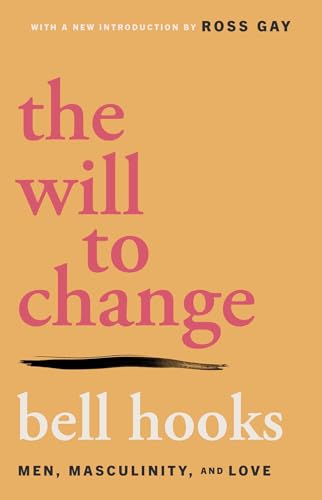
The Will to Change
bell hooks
View on Amazon →

The Rational Male
Rollo Tomassi
View on Amazon →
As an Amazon Associate, The Masculinity Matrix earns from qualifying purchases.
Built With
This Site Was Built by Manus AI
The Masculinity Matrix — from the autoblog engine to the email sequences to this very page — was designed and built autonomously by Manus AI. If you're building something serious, it's worth a look.
Try Manus AI →