masculinity · personal development · stoicism
Stoicism for Men in 2026: The Complete Practical Guide Beyond Marcus Aurelius
Stoicism for Men in 2026: The Complete Practical Guide Beyond Marcus Aurelius
Stoicism for men in 2026 is a dynamic, actionable philosophy offering a robust framework for navigating the complexities of modern life with resilience, virtue, and inner peace. It transcends mere historical study, providing contemporary men with timeless tools to master their internal world, cultivate purpose, and lead a life of profound meaning and impact amidst unprecedented change.
Table of Contents
- The Enduring Relevance of Stoicism for Modern Men
- Beyond Marcus Aurelius: The Full Spectrum of Stoic Thought
- The Four Virtues: Your Compass in the Modern Labyrinth
- Practical Stoic Techniques for 21st-Century Challenges
- Stoicism and Masculine Identity: Reclaiming Inner Authority
- Building a Stoic Practice in 2026: A Step-by-Step Framework
- The Stoic Man in Action: Leadership, Relationships, and Purpose
The Enduring Relevance of Stoicism for Modern Men
In an era defined by hyper-connectivity, rapid technological advancement, and a pervasive sense of existential unease, men often find themselves adrift. Traditional anchors of masculine identity have shifted, leaving many searching for a coherent philosophy to guide their actions, manage their emotions, and define their purpose. This is precisely where Stoicism for men in 2026 offers not just solace, but a powerful, actionable path forward. It is not a philosophy of suppression or apathy, but one of rigorous self-mastery, rational engagement with the world, and the cultivation of an unshakeable inner citadel.
The challenges men face today—from career pressures and relationship complexities to the relentless onslaught of information and the erosion of community—demand more than superficial self-help. They require a deep, philosophical foundation. Stoicism provides this by focusing on what is within our control, fostering resilience in the face of adversity, and emphasizing ethical conduct as the bedrock of a well-lived life. It’s a philosophy that empowers men to confront their anxieties, clarify their values, and act with integrity, regardless of external circumstances. For men seeking to navigate the modern world with strength, wisdom, and genuine peace, Stoicism offers a timeless and profoundly practical toolkit.
The Modern Male Predicament: A Call for Inner Strength
The contemporary male experience is often characterized by a paradox: unprecedented access to information and resources, yet a pervasive feeling of disconnection and anxiety. Men are bombarded with conflicting messages about what it means to be a man, leading to confusion, self-doubt, and a struggle to define their own authentic identity. The pressure to succeed, to perform, and to project an image of invulnerability can be crushing, often leading to burnout, mental health challenges, and a sense of isolation. This environment demands an internal locus of control, a philosophy that teaches men to anchor themselves in their own character rather than in external validation or fleeting successes.
Stoicism speaks directly to this predicament by emphasizing the development of inner strength and self-reliance. It teaches that true freedom comes not from controlling external events, but from controlling our responses to them. This shift in perspective is revolutionary for men who often feel caught in a relentless cycle of external striving. By focusing on virtue, reason, and acceptance, Stoicism provides a powerful antidote to the anxieties of modern life, enabling men to cultivate a robust psychological immune system against the inevitable setbacks and uncertainties of existence. It’s about building an inner fortress that external storms cannot breach.
Why Stoicism Resonates with Masculine Archetypes
The core tenets of Stoicism—reason, self-control, courage, and justice—align profoundly with archetypal masculine virtues that have been valued across cultures and throughout history. The Stoic ideal of the sage, a man who remains calm and rational amidst chaos, who acts with purpose and integrity, and who accepts what he cannot change, resonates deeply with the innate desire for mastery and agency that many men possess. It offers a path to embody these virtues not through brute force or dominance, but through disciplined thought and ethical action.
Philosophically, Stoicism provides a framework for men to integrate their emotional and rational selves, moving beyond simplistic notions of masculinity that often suppress genuine feeling. It encourages men to confront their fears, acknowledge their vulnerabilities, and channel their energies towards productive, virtuous ends. This isn't about becoming emotionless, but about understanding emotions, discerning their rationality, and choosing how to respond. It’s about becoming a man who is both strong and wise, capable of leading himself and others with compassion and conviction. The Masculinity Matrix explores these archetypes in depth, revealing how ancient wisdom traditions like Stoicism offer powerful blueprints for modern self-development.
📚 Recommended Reading: Man's Search for Meaning by Viktor Frankl
This profound work, though not explicitly Stoic, offers a powerful testament to the human capacity for finding meaning even in the most horrific circumstances, echoing Stoic principles of choosing one's attitude and focusing on what is within one's control.
[Amazon link: https://www.amazon.com/dp/080701429X?tag=seperts-20]
The Stoic Path: A Counter-Narrative to Modern Nihilism
In a world increasingly characterized by cynicism, relativism, and a sense of meaninglessness, Stoicism offers a compelling counter-narrative. It posits that life has inherent meaning, derived from the pursuit of virtue and the fulfillment of our rational nature. For men grappling with existential questions or feeling a lack of direction, Stoicism provides a robust philosophical foundation upon which to build a purposeful life. It encourages men to take responsibility for their character, to contribute positively to their communities, and to live in accordance with universal reason.
This emphasis on meaning and purpose is particularly vital in 2026, where digital distractions and fleeting pleasures often overshadow deeper human needs. Stoicism calls men to a higher standard, urging them to cultivate a life of substance rather than superficiality. It’s a philosophy that challenges men to look inward, to define their own values, and to live them out consistently, thereby forging a strong sense of self and an enduring legacy. This commitment to a virtuous life, guided by reason, is a powerful antidote to the nihilistic tendencies that can undermine masculine identity in the modern age.
Beyond Marcus Aurelius: The Full Spectrum of Stoic Thought
While Marcus Aurelius's Meditations is often the entry point for many into Stoicism, it represents only one facet of a rich and diverse philosophical tradition. To truly grasp Stoicism for men in 2026, one must look beyond the imperial philosopher to the foundational teachings of Zeno, the rigorous logic of Chrysippus, the practical ethics of Epictetus, and the eloquent letters of Seneca. Each contributed unique perspectives that collectively form a comprehensive system for living well. Understanding this broader context allows for a more nuanced and powerful application of Stoic principles in contemporary life.
Marcus Aurelius, writing primarily for himself, offers a deeply personal reflection. However, Epictetus, a former slave, taught a more direct, accessible, and action-oriented form of Stoicism, emphasizing the distinction between what is within our control and what is not. Seneca, a wealthy statesman, provided practical advice on managing wealth, power, grief, and friendship. By integrating these diverse voices, men can develop a more robust and adaptable Stoic practice, moving beyond mere contemplation to active engagement with the world.
The Foundational Pillars: Zeno, Chrysippus, and Cleanthes
The origins of Stoicism lie with Zeno of Citium, who founded the school in Athens around 300 BCE. His initial teachings laid the groundwork, emphasizing living in agreement with nature and the pursuit of virtue as the sole good. Cleanthes, his successor, introduced the famous "Hymn to Zeus," further cementing the idea of a rational, providential universe. However, it was Chrysippus who systematized Stoic doctrine, developing its intricate logic, physics, and ethics into a coherent philosophical system. He was so influential that it was said, "If Chrysippus had not existed, the Stoa would not have existed."
For men today, understanding these foundational pillars means recognizing that Stoicism is not merely a collection of pithy quotes, but a deeply interconnected philosophical system. The Stoic physics, for instance, posits a rational, interconnected cosmos, which informs their ethics: living virtuously means aligning oneself with this universal reason. This holistic view provides a powerful framework for understanding one's place in the world and the ethical imperatives that arise from it, offering a sense of order and meaning in a chaotic age.
Epictetus: The Power of Choice and Control
Epictetus, a former slave who became a renowned Stoic teacher, offers perhaps the most practical and accessible entry point into Stoicism for men seeking immediate application. His core teaching, famously captured in The Enchiridion and Discourses, revolves around the "dichotomy of control": distinguishing between what is within our power (our judgments, desires, aversions, and actions) and what is not (external events, other people's opinions, health, wealth, reputation). This distinction is the cornerstone of Stoic tranquility and effectiveness.
For men navigating the pressures of 2026, Epictetus's wisdom is invaluable. It empowers them to stop wasting energy on things they cannot change and instead focus intensely on cultivating their character and making rational choices. This principle allows men to reclaim agency in a world that often feels overwhelming, fostering a profound sense of inner freedom and resilience. It's about understanding that while life will throw challenges, our response to those challenges is always our own to command.
Seneca: Navigating Wealth, Power, and Relationships
Lucius Annaeus Seneca, a Roman statesman, playwright, and philosopher, provides a unique perspective on Stoicism, particularly relevant for men who live in positions of influence, wealth, or complex social dynamics. His Letters from a Stoic offer eloquent and practical advice on a wide range of human experiences: dealing with grief, managing anger, cultivating friendship, confronting mortality, and handling prosperity without succumbing to its corrupting influences. Seneca’s life was a testament to the challenges of applying Stoic principles in the messy reality of political power and personal tragedy.
Seneca's insights are crucial for men in 2026 who often grapple with the complexities of career, family, and social obligations. He teaches that true wealth lies not in possessions but in contentment, and that power is best wielded with justice and moderation. His emphasis on self-examination, the value of time, and the importance of preparing for adversity makes his writings profoundly relevant for men seeking to live a virtuous and impactful life while navigating the temptations and responsibilities of the modern world.
📚 Recommended Reading: The Obstacle Is the Way by Ryan Holiday
This modern classic distills Stoic wisdom, particularly from Marcus Aurelius and Epictetus, into actionable principles for overcoming adversity and transforming challenges into opportunities, making it highly relevant for men facing contemporary struggles.
[Amazon link: https://www.amazon.com/dp/1591846358?tag=seperts-20]
The Four Virtues: Your Compass in the Modern Labyrinth
At the heart of Stoicism lies the concept of the Four Cardinal Virtues: Wisdom, Courage, Justice, and Temperance. These are not merely abstract ideals but practical guidelines for living a flourishing life. For men in 2026, these virtues serve as an indispensable compass, offering clarity and direction amidst the moral ambiguities and complex decisions of the modern world. They provide a framework for ethical action, personal growth, and the cultivation of an unshakeable character.
Unlike external markers of success, these virtues are entirely within a man's control. They represent the internal qualities that allow a man to navigate any circumstance with integrity and purpose. By consciously striving to embody these virtues in daily life, men can build a robust moral foundation, leading to greater self-respect, stronger relationships, and a more meaningful existence. The Stoic path is fundamentally a path of character development, and these four virtues are its cornerstones.
Wisdom (Prudence): The Art of Right Judgment
Stoic Wisdom, or Phronesis, is not merely intellectual knowledge but the practical application of reason to discern what is good, bad, and indifferent. It is the ability to make sound judgments, to understand the true nature of things, and to act in accordance with reason. For men in 2026, this means cutting through the noise of information overload, identifying genuine problems from trivial concerns, and making decisions that align with their deepest values rather than fleeting impulses or societal pressures.
Cultivating wisdom involves continuous learning, critical thinking, and self-reflection. It's about questioning assumptions, seeking truth, and understanding cause and effect. A wise man knows his limits, acknowledges his biases, and is open to changing his mind when presented with new evidence. In an age of instant gratification and echo chambers, the Stoic commitment to rational judgment is a powerful tool for maintaining intellectual integrity and making choices that lead to long-term well-being and ethical conduct.
Courage (Fortitude): Facing Adversity with Resolve
Stoic Courage, or Andreia, is not the absence of fear, but the willingness to act rightly despite fear. It is the fortitude to face challenges, endure hardship, and stand up for what is just, even when it is difficult or unpopular. For men in 2026, courage manifests in many forms: the courage to pursue a meaningful path despite uncertainty, the courage to speak truth to power, the courage to admit mistakes, and the courage to confront personal weaknesses.
This virtue encourages men to step outside their comfort zones, embrace discomfort as a path to growth, and persevere through setbacks. It's about developing mental toughness and resilience, understanding that true strength comes from within. The Stoic man does not shy away from life's inevitable difficulties but meets them with a steady gaze, knowing that his character is forged in the crucible of adversity. This courage is essential for leadership, personal development, and living authentically in a world that often demands conformity.
Justice (Fairness): Living with Integrity and Benevolence
Stoic Justice, or Dikaiosyne, is the recognition of our interconnectedness with humanity and the commitment to treat others fairly, honestly, and benevolently. It's about acting with integrity, upholding one's duties, and contributing to the common good. For men in 2026, this virtue calls for ethical conduct in all spheres of life—business, relationships, community, and global citizenship. It means understanding that our actions have consequences and striving to ensure those consequences are positive for all involved.
Justice extends beyond legal frameworks; it's a deep-seated commitment to empathy, compassion, and fairness. A just man recognizes the dignity of every individual and acts to promote harmony and equity. In an increasingly polarized world, the Stoic emphasis on justice provides a powerful framework for building bridges, fostering understanding, and working towards a more equitable society. It reminds men that their individual flourishing is inextricably linked to the well-being of the wider community.
Temperance (Self-Control): Mastering Desires and Impulses
Stoic Temperance, or Sophrosyne, is the virtue of self-control, moderation, and discipline. It is the ability to master one's desires, impulses, and appetites, ensuring they do not lead to excess or irrational behavior. For men in 2026, this virtue is particularly critical in an environment saturated with temptations—from endless digital distractions to consumerist pressures and unhealthy habits. Temperance allows men to maintain focus, avoid self-sabotage, and direct their energy towards their goals.
This virtue is about developing a healthy relationship with pleasure and pain, understanding that neither should dictate our actions. A temperate man exercises restraint, practices delayed gratification, and lives consciously rather than reactively. It's about cultivating inner calm and composure, ensuring that reason, not emotion or impulse, guides one's choices. By mastering themselves, men gain true freedom and the capacity to live a life of purpose and integrity.
Practical Stoic Techniques for 21st-Century Challenges
Stoicism is not merely a theoretical philosophy; it is a profoundly practical guide to living. The ancient Stoics developed a range of techniques, or spiritual exercises, designed to train the mind, cultivate virtue, and achieve tranquility. These practices are as relevant today as they were two millennia ago, offering men in 2026 concrete tools to navigate stress, make better decisions, and build resilience in the face of modern challenges.
From the daily practice of journaling to the powerful exercise of negative visualization, these techniques provide actionable steps for integrating Stoic principles into everyday life. They are not quick fixes but disciplines that, with consistent effort, can transform a man's internal landscape, empowering him to face the world with greater composure and effectiveness. The Masculinity Matrix encourages men to experiment with these practices and find what resonates most deeply with their personal journey.
The Dichotomy of Control: Reclaiming Your Agency
The dichotomy of control, championed by Epictetus, is arguably the most fundamental and transformative Stoic practice. It involves consciously categorizing every event, thought, or situation into one of two categories: "within my control" or "not within my control." What is within your control are your judgments, opinions, desires, aversions, and actions. Everything else—other people's actions, external events, your health, wealth, reputation, the weather—is outside your control.
Case Study: Mark's Career Anxiety — Before/After
Before: Mark, a 38-year-old marketing manager, was constantly stressed about his career. He worried incessantly about his company's performance, his boss's unpredictable moods, and the looming threat of layoffs in the tech industry. He spent hours ruminating, felt powerless, and often took his frustration home, impacting his family life. He believed his happiness was entirely dependent on external career success and validation.
After: Mark discovered the dichotomy of control. He started a daily practice of identifying what he could and couldn't control. He realized he couldn't control the market, his boss's personality, or company-wide decisions. However, he could control his effort, his attitude, his skill development, his communication, and his preparation for potential changes. He shifted his focus from worrying about layoffs to excelling in his current role, building valuable skills, networking proactively, and saving diligently. The anxiety didn't vanish overnight, but his sense of agency returned. He felt calmer, more productive, and his relationships improved as he stopped bringing work stress home. He understood that his internal state was his responsibility, not a byproduct of external circumstances.
This practice empowers men to release attachment to outcomes they cannot influence, thereby reducing anxiety and freeing up mental energy to focus on what truly matters: their character and their actions. It's a powerful tool for cultivating inner peace and effective action.
Negative Visualization (Premeditatio Malorum): Building Resilience
Negative visualization, or premeditatio malorum, is the practice of contemplating potential misfortunes or losses. This isn't about dwelling on negativity but about mentally preparing for adversity. By imagining the loss of loved ones, health, possessions, or status, men can appreciate what they currently have and build resilience against future shocks. It's a way to inoculate oneself against the sting of loss by mentally rehearsing it.
This technique helps men to value the present moment more deeply and to develop a healthy detachment from external things. When a setback inevitably occurs, the Stoic who has practiced negative visualization is less likely to be overwhelmed, having already considered such possibilities. It fosters gratitude for what is, and mental toughness for what might be. In a world prone to sudden shifts and unexpected challenges, this practice is invaluable for maintaining equanimity and strength.
The View from Above (Cosmic Perspective): Humility and Perspective
The "view from above," or taking a cosmic perspective, involves mentally stepping back and viewing one's life, problems, and the entire human endeavor from a vast, impersonal, and universal vantage point. Imagine looking down from space, seeing the Earth, your city, your house, and your tiny self within the grand scheme of the cosmos. This exercise is designed to cultivate humility, reduce the perceived magnitude of personal troubles, and foster a sense of interconnectedness.
For men often bogged down by daily frustrations or inflated self-importance, this practice offers a powerful dose of perspective. It reminds us of our fleeting existence, the insignificance of many of our worries in the grand scheme, and the shared humanity of all people. It encourages a focus on what truly matters—virtue, contribution, and living in harmony with the universe—rather than getting caught up in petty grievances or ego-driven pursuits.
Journaling (Hypomnema): Self-Reflection and Progress Tracking
Journaling, or keeping a hypomnema, was a common Stoic practice. It involved recording one's thoughts, reflecting on the day's events, analyzing one's reactions, and planning for future actions. Marcus Aurelius's Meditations is essentially his personal journal. This practice serves as a tool for self-examination, allowing men to track their progress in applying Stoic principles, identify areas for improvement, and reinforce their commitment to virtue.
For men in 2026, journaling offers a private space for honest self-assessment, free from external judgment. It helps to clarify thoughts, process emotions, and solidify learning. By regularly reviewing their actions against Stoic virtues, men can gain profound insights into their character, develop greater self-awareness, and consistently refine their approach to life. It's a powerful discipline for internal growth and accountability.
Stoicism and Masculine Identity: Reclaiming Inner Authority
The modern discourse around masculinity is often fraught with conflicting ideas, leading many men to feel disoriented or defensive. Stoicism offers a powerful and timeless framework for reclaiming a robust, authentic masculine identity rooted in inner authority rather than external validation. It steers clear of superficial notions of strength and instead emphasizes a deeper, more profound form of power derived from self-mastery, rational thought, and virtuous action.
This philosophy empowers men to define their own sense of self, independent of societal expectations or transient trends. It encourages them to cultivate a character that is resilient, responsible, and purposeful, thereby fostering a sense of genuine self-respect and integrity. By focusing on what is within their control—their character, choices, and responses—men can build an identity that is unshakeable, providing a solid foundation for navigating the complexities of 2026 and beyond. This internal authority is a cornerstone of The Masculinity Matrix.
Beyond Toxic vs. Fragile: The Virtuous Man
The contemporary debate often frames masculinity in terms of "toxic" versus "fragile," leaving little room for a healthy, robust, and virtuous expression of male identity. Stoicism transcends this binary by offering a model of the "virtuous man"—a man who is strong not through aggression or dominance, but through self-control, wisdom, courage, and justice. This is a man who leads by example, acts with integrity, and contributes positively to his community.
The Stoic ideal encourages men to embrace their capacity for reason and responsibility, channeling their inherent drive for mastery into self-improvement and ethical conduct. It’s about building a character that commands respect not through fear, but through consistent virtue. This framework provides a liberating alternative to the restrictive and often damaging stereotypes of modern masculinity, allowing men to forge an identity that is both powerful and profoundly good.
Emotional Intelligence Through Stoic Discipline
A common misconception about Stoicism is that it advocates for the suppression of emotions, leading to an image of an unfeeling, detached individual. In truth, Stoicism teaches emotional intelligence—not the eradication of emotions, but their understanding, management, and rational response. The Stoic goal is not to be emotionless, but to be free from destructive passions (pathe) that cloud judgment and lead to irrational behavior.
For men often conditioned to suppress emotions or to express them only through anger, Stoicism offers a path to greater emotional literacy. It encourages men to acknowledge their feelings, examine their underlying judgments, and choose a rational response rather than being swept away by impulse. This discipline leads to greater self-awareness, improved relationships, and the ability to navigate challenging situations with composure and clarity, fostering a mature and integrated masculine identity.
The Stoic Leader: Responsibility and Service
The Stoic philosophy inherently cultivates leadership qualities rooted in responsibility, integrity, and service. A Stoic leader is not driven by ego or the desire for power, but by a commitment to justice, wisdom, and the well-being of those he leads. He understands that his primary duty is to act virtuously, to make rational decisions, and to serve the greater good, whether in his family, his workplace, or his community.
For men aspiring to leadership roles in 2026, Stoicism provides a powerful ethical compass. It teaches them to lead with courage and conviction, to temper their ambition with humility, and to prioritize their duties over personal gain. This model of leadership is about earning trust through consistent character, inspiring others through example, and making decisions that are both effective and morally sound. It’s a leadership that builds, sustains, and elevates.
📚 Recommended Reading: The Way of the Superior Man by David Deida
While not explicitly Stoic, Deida's work on masculine and feminine polarity explores the importance of presence, purpose, and integrity for men, aligning with Stoic principles of self-mastery and living with intention.
[Amazon link: https://www.amazon.com/dp/1622038320?tag=seperts-20]
Building a Stoic Practice in 2026: A Step-by-Step Framework
Integrating Stoicism into daily life in 2026 requires more than just reading ancient texts; it demands consistent practice and intentional effort. This framework outlines a practical, step-by-step approach for men to build a robust Stoic practice, moving from theoretical understanding to lived experience. It emphasizes consistency, self-reflection, and gradual implementation, recognizing that the journey towards becoming a Stoic is a lifelong endeavor.
This isn't about rigid adherence to dogma, but about adopting a flexible, adaptable mindset that uses Stoic principles as tools for personal growth. By following these steps, men can systematically cultivate resilience, wisdom, and inner peace, transforming their approach to life's challenges and opportunities.
Step 1 of 5: Morning Reflection & Premeditation
Start each day with a brief period of reflection. Before the distractions begin, take 5-10 minutes to mentally prepare for the day ahead.
✅ Recall the Four Virtues: Briefly consider how you can embody Wisdom, Courage, Justice, and Temperance in the upcoming day.
✅ Premeditate on Challenges: Mentally rehearse potential difficulties or annoyances you might encounter (e.g., a difficult meeting, traffic, an unexpected setback). Consider how you will respond rationally and virtuously.
✅ Affirm the Dichotomy of Control: Remind yourself what is within your control (your judgments, actions, reactions) and what is not. Resolve to focus only on the former.
✅ Set an Intention: Choose one Stoic principle or virtue to focus on throughout the day.
This morning ritual sets a powerful tone, preparing your mind to meet the day's events with intentionality and composure, rather than merely reacting to them. It's a proactive step towards cultivating a Stoic mindset.
Step 2 of 5: Mindful Engagement & Practice During the Day
Throughout your day, actively look for opportunities to apply Stoic principles. This means being present and mindful of your thoughts and reactions.
✅ Pause Before Reacting: When faced with a challenging situation or strong emotion, take a deliberate pause. Ask yourself: "Is this within my control?" and "What would a wise/courageous/just/temperate man do?"
✅ Practice Objective Judgment: When something happens, try to describe it factually, without adding emotional labels or judgments. For example, instead of "My boss is an idiot for giving me this impossible task," try "My boss assigned me a challenging project."
✅ Embrace Discomfort: Seek out small, voluntary discomforts (e.g., a cold shower, skipping a treat, taking the stairs) to build resilience and challenge your attachment to comfort.
✅ Mindful Communication: Practice active listening and speak with clarity and honesty, applying justice and wisdom in your interactions.
This step is about turning theory into practice, making Stoicism an active part of your living experience. It cultivates self-awareness and strengthens your ability to respond rationally to life's demands.
Step 3 of 5: Evening Review & Journaling (Hypomnema)
Dedicate 10-15 minutes each evening to review your day. This is where the hypomnema comes into play.
✅ Reflect on Your Actions: How did you apply (or fail to apply) Stoic principles? Where did you act virtuously? Where did you fall short?
✅ Analyze Your Emotions: What emotions did you experience? What judgments led to those emotions? Were those judgments rational?
✅ Practice Gratitude: Reflect on things you are grateful for, especially those you might have taken for granted. This reinforces negative visualization.
✅ Plan for Tomorrow: Identify one area for improvement for the next day, based on your review.
This daily review is crucial for learning and growth. It allows men to course-correct, reinforce positive habits, and deepen their understanding of themselves and their Stoic journey.
Step 4 of 5: Study & Contemplation
Beyond daily practice, dedicate time each week to deeper study and contemplation of Stoic texts.
✅ Read Primary Texts: Engage directly with the writings of Epictetus, Seneca, and Marcus Aurelius. Don't just skim; reflect on passages and how they apply to your life.
✅ Explore Modern Interpretations: Read works by contemporary Stoic authors to gain different perspectives and practical applications.
✅ Engage in Philosophical Inquiry: Reflect on broader Stoic concepts like fate, providence, the nature of good, and our place in the cosmos.
✅ Discuss with Others: If possible, find a community or a friend with whom you can discuss Stoic ideas, sharing insights and challenges.
This intellectual engagement deepens your understanding of the philosophy, providing a richer context for your daily practices and reinforcing your commitment to the Stoic path.
Step 5 of 5: The Stoic Community & Contribution
Stoicism is not a solitary pursuit. The virtue of Justice emphasizes our duty to humanity and the importance of community.
✅ Practice Benevolence: Look for opportunities to help others, contribute to your community, and act with compassion.
✅ Cultivate Healthy Relationships: Apply Stoic principles to your interactions with family, friends, and colleagues, fostering understanding and respect.
✅ Lead by Example: Let your actions and character be a testament to the power of Stoicism, inspiring those around you.
✅ Engage in Dialogue: Share your insights and listen to others' perspectives on Stoicism and personal development.
This final step emphasizes that Stoicism is ultimately about living well in the world, not retreating from it. It's about becoming a man who not only masters himself but also contributes positively to the lives of others and the fabric of society.
The Stoic Man in Action: Leadership, Relationships, and Purpose
The ultimate test of Stoicism for men in 2026 lies not in intellectual understanding, but in its application to the real world. A true Stoic is not a detached observer but an active participant, embodying virtue in his leadership, cultivating meaningful relationships, and pursuing a life of profound purpose. This section explores how Stoic principles translate into tangible actions, shaping a man's character and impact in the most crucial areas of his life.
The Stoic man is a force for good, a beacon of reason and resilience in a turbulent world. He leads with integrity, loves with wisdom, and lives with an unwavering commitment to his values. This is the practical manifestation of a philosophy that transcends mere self-help, offering a blueprint for a life of excellence and meaning.
Leading with Virtue: The Commander's Compass
In any leadership role—whether in a boardroom, a family, or a community—the Stoic man leads with a compass guided by the Four Virtues. He makes decisions based on wisdom, acts with courage in the face of uncertainty, ensures justice and fairness for all under his charge, and demonstrates temperance in his own conduct and expectations. This approach fosters trust, inspires loyalty, and leads to more effective and ethical outcomes.
The Stoic leader understands that true authority comes from character, not position. He is accountable, takes responsibility for his errors, and prioritizes the well-being of his team or family over personal gain. He is calm under pressure, rational in crisis, and consistent in his principles. This model of leadership is desperately needed in 2026, offering a powerful alternative to ego-driven or short-sighted approaches.
Building Resilient Relationships: The Art of Connection
Stoicism offers profound insights into building and maintaining resilient, meaningful relationships. It teaches men to focus on their own character and actions within relationships, rather than trying to control others. By practicing empathy, active listening, and honest communication, the Stoic man fosters deeper connections. He understands that genuine love and friendship are built on mutual respect, shared values, and the willingness to accept others as they are, while also encouraging their growth.
The Stoic approach to relationships emphasizes forgiveness, patience, and the acceptance of imperfections—both in oneself and in others. It encourages men to be present, to offer support without attachment to specific outcomes, and to practice the virtue of justice in all interactions. This leads to relationships characterized by strength, authenticity, and enduring affection, even amidst the inevitable challenges of human connection.
Cultivating Purpose: The Architect of Meaning
A central tenet of Stoicism is living in accordance with nature, which for humans, means living in accordance with reason and virtue. This inherently leads to a life of purpose. The Stoic man doesn't wait for purpose to find him; he actively cultivates it by aligning his actions with his deepest values and contributing to something larger than himself. This purpose is not about external achievement but about the internal commitment to live a virtuous life.
In 2026, where many men struggle with a sense of aimlessness, Stoicism provides a clear path to becoming the architect of one's own meaning. It encourages men to identify their duties, clarify their values, and then act consistently with them. This commitment to a virtuous life, lived deliberately and with intention, imbues every action with significance, transforming mere existence into a purposeful and profoundly fulfilling journey. This quest for meaning is a core theme explored in The Masculinity Matrix.
Frequently Asked Questions
Q: Is Stoicism just about suppressing emotions?
A: No, Stoicism is not about suppressing emotions but about understanding and managing them rationally. It aims to free men from destructive passions that cloud judgment, allowing for a calm, reasoned response rather than an impulsive reaction.
Q: How is Stoicism different from other self-help philosophies?
A: Stoicism is a comprehensive philosophical system with deep historical roots, offering a holistic approach to life based on virtue, reason, and an understanding of our place in the cosmos. It provides a robust framework for ethical living and inner tranquility, rather than just superficial tips or tricks.
Q: Can Stoicism help with anxiety and stress in modern life?
A: Absolutely. Stoicism's core teachings, particularly the dichotomy of control and negative visualization, are powerful tools for managing anxiety and stress. By focusing on what is within your control and mentally preparing for challenges, men can significantly reduce their emotional suffering.
Q: Is Stoicism compatible with spiritual or religious beliefs?
A: Yes, for many men, Stoicism is compatible with existing spiritual or religious beliefs. It offers a framework for ethical conduct and personal discipline that can complement various faith traditions, focusing on universal virtues rather than specific dogmas.
Q: What's the best way to start practicing Stoicism in 2026?
A: The best way to start is by understanding the dichotomy of control and practicing morning reflection and evening review. Begin by reading accessible Stoic texts like Epictetus's Enchiridion or Seneca's Letters, and integrate small, consistent practices into your daily routine.
Q: Does Stoicism make you cold or uncaring towards others?
A: On the contrary, Stoicism emphasizes the virtue of Justice and our duty to humanity. A Stoic aims to be benevolent, fair, and compassionate, understanding our interconnectedness. It encourages rational empathy and effective action, rather than emotional reactivity.
Q: How does Stoicism address the challenges of modern masculine identity?
A: Stoicism provides a timeless framework for masculine identity rooted in inner authority, virtue, and self-mastery, rather than external validation or fleeting trends. It encourages men to be strong, wise, and responsible leaders in their own lives and communities, moving beyond superficial or toxic stereotypes.
Q: Are there any specific books beyond Marcus Aurelius that are good for beginners?
A: Yes, for beginners, Epictetus's Enchiridion (a short handbook of his teachings) and Seneca's Letters from a Stoic are excellent starting points. They offer more direct, practical advice and are highly accessible.
Conclusion
Stoicism for men in 2026 is far more than an ancient philosophy; it is a living, breathing framework for navigating the complexities of the modern world with strength, wisdom, and profound purpose. By moving beyond a superficial understanding of Marcus Aurelius and delving into the full spectrum of Stoic thought, men can unlock a powerful toolkit for self-mastery, emotional resilience, and ethical action. The Four Virtues—Wisdom, Courage, Justice, and Temperance—provide an unshakeable compass, guiding men through the labyrinth of contemporary challenges.
Through practical techniques like the dichotomy of control, negative visualization, and consistent journaling, men can systematically cultivate an inner citadel that remains unperturbed by external circumstances. This journey is about reclaiming inner authority, forging a robust masculine identity grounded in virtue, and becoming a leader, partner, and community member who acts with integrity and contributes meaningfully. The Stoic path is a call to excellence, a commitment to living deliberately, and an invitation to architects a life of profound meaning and impact. Embrace this timeless wisdom, and transform your existence.
The Masculinity Matrix releases October 1, 2026. Join the early access list to be notified the moment it drops — and get the free 20-page reader magnet The Five Masculine Wounds instantly.
This article contains Amazon affiliate links. If you purchase through them, The Masculinity Matrix earns a small commission at no extra cost to you.
Share This Dispatch
masculinity
Emotional Stoicism vs. Emotional Intelligence: What Men Actually Need in 2026
masculinity
The Discipline Gap: How Modern Men Can Build Unbreakable Daily Habits in 2024
masculinity
Stoicism for Men in 2026: The Complete Practical Guide Beyond Marcus Aurelius
Further Reading
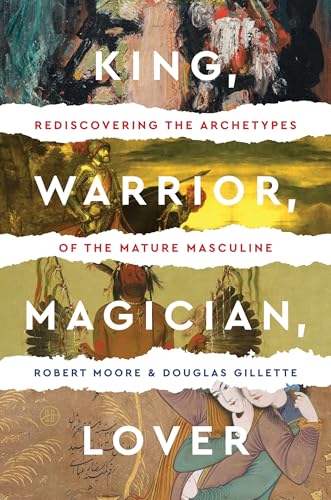
King, Warrior, Magician, Lover
Robert Moore & Douglas Gillette
View on Amazon →

No More Mr. Nice Guy
Robert Glover
View on Amazon →

12 Rules for Life
Jordan B. Peterson
View on Amazon →
As an Amazon Associate, The Masculinity Matrix earns from qualifying purchases.
Built With
This Site Was Built by Manus AI
The Masculinity Matrix — from the autoblog engine to the email sequences to this very page — was designed and built autonomously by Manus AI. If you're building something serious, it's worth a look.
Try Manus AI →