masculinity · personal development · identity
The Identity Crisis Men Face at 30, 40, and 50 — And How to Navigate Each One
C. V. WoosterApril 2, 202624 min read
*This article contains Amazon affiliate links. If you purchase through them, The Masculinity Matrix earns a small commission at no extra cost to you.*
# The Identity Crisis Men Face at 30, 40, and 50 — And How to Navigate Each One
**The identity crisis men face** across their 30s, 40s, and 50s is a profound period of self-reassessment, often triggered by shifting life circumstances, unfulfilled expectations, or a deep yearning for meaning beyond societal scripts. It matters for men today because navigating these pivotal junctures with intentionality and philosophical depth is crucial for forging a robust, authentic masculine identity that transcends superficial measures of success and fosters genuine well-being.
## Table of Contents
1. [The Shifting Sands of Masculine Identity: An Introduction](#the-shifting-sands-of-masculine-identity-an-introduction)
2. [The 30s: The Crisis of Unfulfilled Potential and Societal Pressure](#the-30s-the-crisis-of-unfulfilled-potential-and-societal-pressure)
3. [The 40s: The Midlife Reckoning and the Search for Deeper Meaning](#the-40s-the-midlife-reckoning-and-the-search-for-deeper-meaning)
4. [The 50s: The Legacy Crisis and the Confrontation with Mortality](#the-50s-the-legacy-crisis-and-the-confrontation-with-mortality)
5. [Philosophical Frameworks for Navigating Identity Crises](#philosophical-frameworks-for-navigating-identity-crises)
6. [Building a Resilient Masculine Identity: A Practical Framework](#building-a-resilient-masculine-identity-a-practical-framework)
7. [Conclusion: The Ongoing Journey of Self-Actualization](#conclusion-the-ongoing-journey-of-self-actualization)
## The Shifting Sands of Masculine Identity: An Introduction
Masculinity, far from being a static construct, is a dynamic interplay of inherent drives, societal expectations, and personal experiences. For men, the journey through adulthood is punctuated by distinct phases, each presenting unique challenges to their sense of self and purpose. These challenges often coalesce into what is commonly termed an "identity crisis"—a period of intense introspection, questioning of values, and a re-evaluation of life's trajectory. While popular culture often sensationalizes these moments, particularly the "midlife crisis," the reality is far more nuanced and deeply philosophical. These are not merely moments of impulsive change but profound opportunities for growth, self-discovery, and the refinement of one's masculine core.
The modern man, more than ever, finds himself at a crossroads. Traditional definitions of success and strength are being re-examined, and the pressure to conform to outdated archetypes clashes with an innate desire for authenticity and connection. This internal conflict, amplified by the relentless pace of contemporary life and the pervasive influence of digital narratives, can leave men feeling adrift. Understanding the specific contours of the identity crisis men face at different decades of their lives—30, 40, and 50—is not merely an academic exercise; it is a vital step toward equipping them with the tools to navigate these turbulent waters and emerge stronger, clearer, and more aligned with their true selves. This article delves into these distinct phases, offering insights and actionable strategies rooted in philosophical wisdom and psychological understanding.
### The Philosophical Imperative of Self-Knowledge
At the heart of any identity crisis lies a call to self-knowledge, a concept championed by ancient philosophers from Socrates to the Stoics. For men, this often means confronting the narratives they've internalized about what it means to be a man—narratives often shaped by family, culture, and media, rather than by authentic self-reflection. The crisis, then, is less a breakdown and more an awakening; an invitation to peel back layers of conditioning and discover the true self beneath. This process is rarely comfortable, as it demands an honest assessment of successes and failures, strengths and vulnerabilities. However, it is precisely in this discomfort that genuine growth occurs, leading to a more integrated and resilient masculine identity.
### Societal Shifts and Their Impact on Male Identity
The 21st century has brought unprecedented shifts in gender roles and expectations, profoundly impacting how men perceive themselves and their place in the world. The decline of traditional industries, the evolving dynamics of family life, and the ongoing conversations around gender equality all contribute to a complex landscape where old maps no longer suffice. Men are increasingly challenged to define their masculinity not by external markers of power or provision alone, but by internal qualities like emotional intelligence, adaptability, and ethical leadership. This societal evolution, while ultimately beneficial, can initially destabilize a man's sense of self, especially if his identity has been heavily reliant on outdated paradigms. Understanding these macro-level changes is crucial for contextualizing the personal identity struggles men experience.
### The Matrix of Expectations and Internal Conflict
Every man operates within a "masculinity matrix"—a complex web of internal and external expectations that shape his identity. This matrix includes the expectations of his parents, his partner, his peers, his workplace, and crucially, his own internalized ideals. When these expectations clash, or when a man realizes he has been living a life dictated by others' desires rather than his own, an identity crisis is inevitable. The tension between who he is perceived to be, who he thinks he *should* be, and who he authentically *is* creates fertile ground for profound self-inquiry. Navigating this matrix requires courage, discernment, and a willingness to challenge deeply ingrained assumptions about what constitutes a "successful" or "good" man. This journey of deconstruction and reconstruction is central to forging a truly sovereign masculine identity.
## The 30s: The Crisis of Unfulfilled Potential and Societal Pressure
For many men, the 30s arrive with a potent mix of established routines and simmering anxieties. The boundless optimism of the 20s often gives way to a more sober assessment of one's progress against the backdrop of societal benchmarks. This decade is frequently characterized by a crisis of unfulfilled potential, where the gap between youthful aspirations and current realities becomes starkly apparent. Men might find themselves questioning career choices, relationship commitments, or the very path they’ve chosen, feeling the weight of expectations—both external and self-imposed—to "have it all figured out." This isn't merely about material success; it's about a deeper sense of purpose and alignment. The identity crisis men face in their 30s is often a struggle to reconcile the ideal self with the actual self, amidst mounting responsibilities and the perceived dwindling of options.
### The Weight of Comparison and the "Shoulds"
The 30s are often a period of intense social comparison. Friends are getting promotions, buying houses, starting families, or launching successful ventures. This constant stream of perceived success, often amplified by social media, can trigger feelings of inadequacy and self-doubt. Men begin to internalize a barrage of "shoulds": *I should be further along in my career. I should be financially stable. I should be married with kids. I should be happier.* These external pressures, when not critically examined, can hijack a man's internal compass, leading him to pursue goals that don't genuinely align with his values or desires. The crisis emerges when the pursuit of these "shoulds" leads to an internal hollowness, prompting a fundamental questioning of his life choices and the very definition of his identity.
### Navigating Career Plateau and Purpose
By their 30s, many men have established a career path. However, this stability can paradoxically lead to a sense of stagnation or disillusionment. The initial excitement of a chosen profession may have worn off, replaced by routine and a growing awareness of its limitations. The identity crisis men face here is often tied to a yearning for purpose beyond a paycheck. They may question if their work truly matters, if it aligns with their deeper values, or if they've settled for comfort over calling. This period can be marked by a strong desire for a career pivot, a new entrepreneurial venture, or a deeper engagement with their existing work, all driven by a search for more profound meaning and impact. It’s about moving from simply *doing* to *being* in their professional lives.
### The Shifting Landscape of Relationships and Family
The 30s also bring significant shifts in personal relationships. For those who are single, the pressure to find a partner and start a family can be immense, leading to anxiety and a re-evaluation of their desirability and relational identity. For those in established relationships or marriages, the demands of partnership and nascent parenthood can challenge individual autonomy and force a re-negotiation of roles and responsibilities. The "bachelor" identity often gives way to "husband" or "father," requiring men to integrate new aspects into their self-concept. This transition is not always smooth; it can expose underlying insecurities, communication breakdowns, and a struggle to maintain a sense of individual identity amidst the demands of family life.
---
**📚 Recommended Reading:** The Way of the Superior Man
This book offers a radical perspective on masculine purpose, relationships, and spiritual growth, challenging men to live with integrity and intentionality, which is crucial when navigating the societal pressures of the 30s.
[Amazon link: https://www.amazon.com/dp/1622038320?tag=seperts-20]
---
## The 40s: The Midlife Reckoning and the Search for Deeper Meaning
The 40s often usher in the quintessential "midlife crisis," though it's more accurately described as a profound midlife reckoning. This period is characterized by a deep introspection, a confrontation with mortality, and a critical re-evaluation of life choices made in the preceding decades. Men in their 40s frequently find themselves at the peak of their careers, with established families and significant responsibilities, yet simultaneously grappling with a pervasive sense of unfulfillment or a nagging question: "Is this all there is?" The identity crisis men face at 40 is less about potential and more about essence—a search for authentic meaning, legacy, and a deeper connection to their inner selves, often spurred by the realization that time is finite.
### Confronting Mortality and the Passage of Time
The 40s are often the decade when men truly begin to confront their own mortality. The deaths of parents, mentors, or peers become more common, serving as stark reminders of life's finite nature. This awareness can trigger a profound re-evaluation of priorities. What truly matters? Have I lived authentically? Am I spending my precious time wisely? This existential questioning is a core component of the identity crisis men face at this age. It's not necessarily morbid, but rather a catalyst for living more intentionally, shedding superficial concerns, and focusing on what brings genuine meaning and satisfaction. The pursuit of fleeting pleasures often gives way to a search for enduring purpose.
### Re-evaluating Success and Legacy
By 40, many men have achieved significant professional or material success. However, this achievement often comes with the realization that external markers of success do not automatically equate to internal fulfillment. The identity crisis men experience here involves questioning the very definition of success they've pursued. Is it enough to have a big house, a prestigious title, or a healthy bank account if one feels disconnected, uninspired, or spiritually adrift? This decade is a critical time for men to define their own metrics of success, often shifting from accumulation to contribution, from power to purpose, and from individual gain to collective impact. The concept of legacy—what they will leave behind—becomes a powerful motivator for change.
### The Quest for Authenticity and Inner Wisdom
The midlife reckoning is fundamentally a quest for authenticity. After decades of conforming to societal expectations, professional roles, and familial duties, men in their 40s often feel a powerful urge to shed these masks and connect with their true, unvarnished selves. This involves an exploration of their deeper passions, suppressed desires, and neglected aspects of their personality. It's about integrating the "shadow" self—the parts they've repressed or denied—and embracing a more holistic identity. This period can manifest as a renewed interest in spirituality, philosophy, creative pursuits, or a radical shift in lifestyle, all aimed at aligning their external life with their internal truth.
## The 50s: The Legacy Crisis and the Confrontation with Mortality
As men enter their 50s, the identity crisis takes on a different hue, often shifting from a midlife reckoning to a "legacy crisis." This decade is characterized by a heightened awareness of the past, a profound reflection on one's contributions, and a conscious shaping of the future through the lens of what will endure. With children often grown or leaving home, careers potentially winding down, and the physical realities of aging becoming more pronounced, men in their 50s confront their place in the grand narrative of life. The identity crisis men face at 50 is about understanding their lasting impact, finding new sources of meaning beyond traditional roles, and preparing for the final chapters of their lives with wisdom and purpose.
### Reconciling Past Choices and Future Horizons
The 50s are a time for deep reflection on the choices made throughout life. Men may grapple with regrets, missed opportunities, or the consequences of past decisions. This reconciliation is crucial for moving forward without being burdened by the past. Simultaneously, there's a need to redefine future horizons. With retirement potentially on the horizon, or a shift in career focus, men must envision new roles and purposes beyond the traditional work-centric identity. The identity crisis men face here is about finding a balance between accepting what has been and actively shaping what is yet to come, recognizing that life's meaning extends beyond professional achievements or family rearing.
### Finding New Purpose Beyond Traditional Roles
For many men, identity has been inextricably linked to their roles as providers, professionals, or fathers. As these roles naturally evolve or diminish in the 50s, a void can emerge, leading to a profound identity crisis. The challenge is to discover new sources of purpose and meaning that are not dependent on external validation or traditional societal structures. This might involve dedicating more time to hobbies, mentorship, community service, artistic pursuits, or spiritual exploration. It's about cultivating an identity that is internally driven, resilient to external changes, and rooted in a deeper sense of self-worth and contribution. This phase can be a powerful opportunity for self-reinvention and the exploration of latent talents.
### The Wisdom of Age and Mentorship
As men navigate their 50s, they often possess a wealth of experience, knowledge, and wisdom accumulated over decades. The identity crisis men face can be transformed into an opportunity to embrace the role of elder or mentor. Sharing their insights with younger generations, guiding them through challenges, and contributing to the collective wisdom of their community can provide immense satisfaction and a renewed sense of purpose. This shift from "doing" to "being" and "guiding" is a powerful way to solidify a meaningful legacy. It's about recognizing that their value is not solely in their productivity, but in their accumulated wisdom and their capacity to positively influence others.
---
**📚 Recommended Reading:** King, Warrior, Magician, Lover
This seminal work explores the archetypes of mature masculinity, offering a profound framework for understanding and integrating the various facets of a man's psyche, which is particularly relevant when seeking new purpose in the 50s.
[Amazon link: https://www.amazon.com/dp/0062506064?tag=seperts-20]
---
## Philosophical Frameworks for Navigating Identity Crises
Navigating an identity crisis, regardless of the decade, requires more than just practical adjustments; it demands a philosophical grounding. Ancient wisdom traditions and modern psychological insights offer powerful frameworks for understanding the self, purpose, and the nature of existence, providing men with intellectual and spiritual tools to weather these storms. These frameworks help men move beyond superficial solutions and engage with the deeper questions that underpin their identity struggles. By adopting a philosophical lens, men can transform periods of confusion into opportunities for profound self-discovery and the cultivation of a more resilient, authentic self.
### Stoicism: Control What You Can, Accept What You Cannot
Stoicism, an ancient Greek philosophy, offers a pragmatic and powerful framework for navigating the inherent uncertainties and challenges of life, including identity crises. Its core tenet—the dichotomy of control—teaches men to distinguish between what is within their power (their thoughts, actions, reactions) and what is not (external events, other people's opinions, the past, the future). When facing an identity crisis, men often feel overwhelmed by factors outside their control. Stoicism encourages focusing inward, cultivating virtue, and accepting the inevitable changes that come with age and life circumstances. This perspective helps men detach from unhelpful comparisons, manage expectations, and find peace in the present moment, fostering a robust internal locus of control.
| Aspect of Identity Crisis | Stoic Approach | Non-Stoic Approach (Common Pitfall) |
| :------------------------ | :------------- | :--------------------------------- |
| **Unfulfilled Potential** | Focus on present effort and virtue; redefine success internally. | Dwelling on past mistakes; blaming external factors; chasing external validation. |
| **Societal Pressure** | Indifference to external opinion (adiaphora); live by internal values. | Conforming to expectations; anxiety over social standing; seeking approval. |
| **Career Disillusionment**| Find meaning in the *process* of work; cultivate character through challenges. | Feeling trapped; constant job hopping without introspection; blaming the employer. |
| **Confronting Mortality** | Memento mori (remember death) as a motivator for purposeful living; accept fate. | Fear of aging; denial; reckless behavior; despair over lost youth. |
| **Legacy Concerns** | Focus on living a virtuous life, as that is the true legacy; influence through example. | Obsession with material legacy; seeking fame; worrying about how others will remember you. |
| **Relationship Shifts** | Focus on being a good partner/father; accept others' autonomy; manage expectations. | Blaming partner/children; trying to control outcomes; feeling abandoned. |
### Existentialism: Embracing Freedom and Responsibility
Existentialism, particularly as articulated by thinkers like Jean-Paul Sartre and Viktor Frankl, posits that "existence precedes essence." This means men are born without a pre-defined purpose or identity; they are condemned to be free and must create their own meaning through their choices and actions. For men experiencing an identity crisis, this philosophy can be both daunting and liberating. It challenges the notion that there's a fixed "true self" to be discovered and instead emphasizes the continuous process of self-creation. The crisis, then, is an opportunity to consciously choose who one wants to be, taking full responsibility for that choice. It's about finding meaning in the face of an absurd world, embracing the anxiety of freedom, and committing to authentic action. This framework is particularly potent for men in their 40s and 50s grappling with purpose and legacy.
### Jungian Archetypes: Integrating the Shadow
Carl Jung's analytical psychology offers a rich framework for understanding the deeper, often unconscious, forces at play during an identity crisis. Jung proposed the existence of archetypes—universal, archaic patterns and images that derive from the collective unconscious and are the psychic counterpart of instinct. For men, archetypes like the King, Warrior, Magician, and Lover (as explored by Robert Moore and Douglas Gillette) provide a map for understanding the various facets of mature masculinity. An identity crisis often arises when certain archetypes are underdeveloped, overdeveloped, or when the "shadow" aspects—the repressed, unconscious parts of the self—are ignored. Integrating the shadow, acknowledging one's darker impulses and vulnerabilities, is crucial for achieving psychological wholeness and a robust, authentic masculine identity. This process of individuation is a lifelong journey, often intensified during periods of crisis.
## Building a Resilient Masculine Identity: A Practical Framework
Navigating an identity crisis is not a passive endeavor; it requires intentional action and a structured approach. Building a resilient masculine identity—one that can withstand the inevitable shifts and challenges of life—involves a continuous process of self-reflection, strategic action, and the cultivation of core virtues. This framework provides actionable steps for men at any stage of their identity journey, encouraging them to move beyond mere introspection to concrete steps that foster growth and self-actualization. It's about architecting a life that aligns with one's deepest values and aspirations, rather than passively accepting what comes.
### Step 1 of 5: The Audit of Values and Vision
The first step in building a resilient identity is to conduct a thorough audit of one's core values and long-term vision. An identity crisis often signals a misalignment between one's current life and one's authentic values. This step involves deep introspection to identify what truly matters—beyond societal expectations or superficial desires. What principles guide your decisions? What kind of man do you aspire to be, not just what do you aspire to *have*? This audit should culminate in a clear, written statement of your core values and a compelling personal vision for your life across various domains (career, relationships, health, spiritual growth). This clarity serves as your compass, guiding subsequent decisions and helping you discern opportunities from distractions.
✅ **Checklist for Value & Vision Audit:**
* ✅ Dedicate uninterrupted time for reflection (e.g., a weekend retreat, daily journaling).
* ✅ List 10-15 things you genuinely value (e.g., integrity, freedom, family, contribution, mastery).
* ✅ Prioritize these values to your top 3-5 non-negotiables.
* ✅ Write a personal mission statement or vision for your life (1-2 paragraphs).
* ✅ Identify any areas where your current life is out of alignment with these values.
* ✅ Seek feedback from trusted mentors or partners on your perceived values versus your enacted values.
### Step 2 of 5: Deconstructing Limiting Narratives
Men often carry narratives about themselves and masculinity that are inherited, outdated, or simply untrue. These limiting beliefs—"I must always be strong," "showing emotion is weakness," "my worth is tied to my income"—can stifle growth and perpetuate an identity crisis. The second step involves consciously identifying and deconstructing these narratives. This requires a critical examination of where these beliefs originated (family, culture, past experiences) and questioning their validity in your present life. Is this belief serving me, or is it holding me back? This process is akin to shedding old skin, making space for a more authentic and expansive self-concept. It's about rewriting your internal script to empower, rather than constrain, your masculine identity.
### Step 3 of 5: Cultivating Purposeful Action
An identity crisis can lead to paralysis, but true growth comes from purposeful action. Once values and vision are clear, and limiting narratives are deconstructed, the next step is to translate these insights into concrete behaviors. This involves setting meaningful goals that align with your vision and values, and consistently taking steps toward them. This isn't about grand gestures; it's about the daily disciplines and micro-actions that build momentum and reinforce your evolving identity. Whether it's pursuing a new skill, deepening a relationship, engaging in community service, or committing to a health regimen, purposeful action solidifies your new self-concept and provides tangible evidence of your growth. This is where philosophical understanding meets practical application.
### Step 4 of 5: Building a Supportive Ecosystem
No man navigates an identity crisis in isolation. Building a supportive ecosystem—a network of mentors, peers, and loved ones—is crucial for sustained growth. This involves actively seeking out individuals who embody the qualities you admire, who challenge you constructively, and who provide genuine support and accountability. This ecosystem acts as a mirror, reflecting your progress, offering different perspectives, and helping you stay true to your path when doubts arise. It also means pruning relationships that are toxic or no longer serve your growth. The quality of a man's life is often a reflection of the quality of his relationships, and a strong support system is a cornerstone of a resilient masculine identity.
**Case Study: David's Midlife Reckoning**
— **Before:** David, 42, was a successful corporate executive, but felt a deep sense of emptiness despite his achievements. He was constantly stressed, disconnected from his family, and found no joy in his work. His identity was solely tied to his job title and financial success, leading to a profound midlife crisis marked by anxiety and disillusionment. He questioned all his life choices, feeling trapped and unfulfilled.
— **After:** David engaged in a values audit, realizing his core values were contribution and creativity, not just corporate climbing. He began deconstructing the narrative that his worth equaled his salary. He sought out a mentor who had successfully transitioned to a non-profit role and joined a men's group for support. David started volunteering at a local community center, which reignited a passion for helping others. He eventually transitioned to a leadership role in a non-profit, taking a pay cut but gaining immense satisfaction and a renewed sense of purpose. His identity shifted from "corporate climber" to "purpose-driven leader," leading to greater connection with his family and a profound sense of peace.
### Step 5 of 5: Embracing Continuous Self-Reflection and Adaptation
Identity is not a fixed destination but an ongoing journey. The final step in building a resilient masculine identity is to embrace continuous self-reflection and adaptation. Life will inevitably throw new challenges, and your identity will need to evolve in response. This means regularly checking in with your values, assessing your progress, and being willing to adjust your course as needed. It's about cultivating a growth mindset, viewing challenges as opportunities for learning, and maintaining a posture of curiosity about yourself and the world. This iterative process ensures that your masculine identity remains dynamic, authentic, and capable of navigating the complexities of an ever-changing world.
## Frequently Asked Questions
**Q: What is the primary difference between an identity crisis at 30 versus 50?**
A: At 30, the identity crisis often revolves around unfulfilled potential, career direction, and societal pressures to "figure things out" and establish oneself. At 50, it typically shifts to a "legacy crisis," focusing on past contributions, confronting mortality, finding new purpose beyond traditional roles, and shaping one's lasting impact.
**Q: Is an identity crisis always a negative experience for men?**
A: While often uncomfortable and challenging, an identity crisis is not inherently negative. It can be a powerful catalyst for profound self-discovery, personal growth, and a re-alignment with one's authentic values and purpose, leading to a more fulfilling and resilient masculine identity.
**Q: How can I tell if I'm experiencing an identity crisis or just general dissatisfaction?**
A: An identity crisis goes beyond general dissatisfaction; it involves a fundamental questioning of who you are, your core values, your life's direction, and your purpose. It often feels like a deep internal conflict or a sense of being lost, rather than just being unhappy with specific circumstances.
**Q: What role do relationships play in a man's identity crisis?**
A: Relationships are often central to a man's identity, and shifts within them (e.g., marriage, parenthood, divorce, children leaving home) can trigger or exacerbate an identity crisis. They can also be a source of support and reflection, helping men to redefine their roles and connections.
**Q: Should I make drastic life changes during an identity crisis?**
A: While an identity crisis can inspire significant change, it's often wise to approach drastic decisions with caution and reflection. Focus first on internal work—clarifying values, deconstructing narratives—and seek counsel. Thoughtful, purposeful changes are generally more sustainable than impulsive ones.
**Q: How can men proactively prevent identity crises?**
A: While crises are often inevitable growth points, men can foster resilience by regularly engaging in self-reflection, aligning their actions with their values, building strong support networks, cultivating diverse interests beyond work, and embracing a growth mindset that views change as opportunity.
**Q: Are there specific resources or practices beneficial for men navigating these crises?**
A: Yes, beneficial resources include philosophical texts (Stoicism, Existentialism), psychological frameworks (Jungian archetypes), journaling, meditation, therapy or coaching, joining men's groups, and engaging in creative or purposeful activities that align with newly discovered values.
**Q: What is the "masculinity matrix" mentioned in the article?**
A: The "masculinity matrix" refers to the complex web of internal and external expectations, societal norms, and personal beliefs that shape a man's identity. Navigating it involves understanding these influences and consciously choosing which ones to embrace or reject to forge an authentic self.
## Conclusion: The Ongoing Journey of Self-Actualization
The identity crisis men face at 30, 40, and 50 are not aberrations but integral stages in the lifelong journey of self-actualization. Each decade presents a unique set of challenges and opportunities for profound introspection and growth. From the crisis of unfulfilled potential in the 30s, to the midlife reckoning of the 40s, and the legacy crisis of the 50s, these periods compel men to question, re-evaluate, and ultimately redefine who they are and what truly matters. By embracing philosophical frameworks like Stoicism and Existentialism, integrating Jungian archetypes, and committing to a practical framework of self-audit, deconstruction, purposeful action, and community, men can transform these periods of confusion into powerful catalysts for building a resilient, authentic, and deeply meaningful masculine identity. This journey is not about finding a static self, but about continuously becoming the man one is meant to be, with wisdom, courage, and integrity.
The Masculinity Matrix releases October 1, 2026. [Join the early access list](https://themasculinitymatrix.com/#newsletter) to be notified the moment it drops — and get the free 20-page reader magnet *The Five Masculine Wounds* instantly.
Share This Dispatch
Continue Reading
MM
masculinity
How to Stop People-Pleasing in 2024 and Start Living on Your Own Terms
Apr 2, 202624 min
MM
masculinity
The Warrior Poet Archetype: Balancing Strength and Sensitivity in Modern Men
Apr 2, 202625 min
MM
masculinity
How to Build Brotherhood: Why Men Need Male Friendships and How to Create Them in 2024
Apr 2, 202625 min
Further Reading
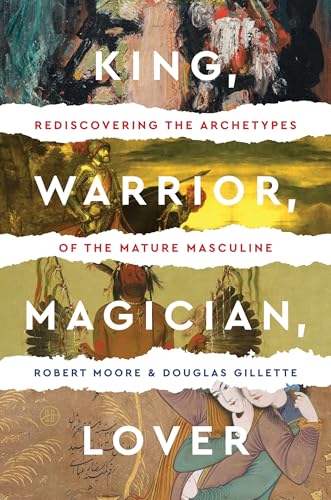
King, Warrior, Magician, Lover
Robert Moore & Douglas Gillette
View on Amazon →

No More Mr. Nice Guy
Robert Glover
View on Amazon →

The Rational Male
Rollo Tomassi
View on Amazon →
As an Amazon Associate, The Masculinity Matrix earns from qualifying purchases.
Built With
This Site Was Built by Manus AI
The Masculinity Matrix — from the autoblog engine to the email sequences to this very page — was designed and built autonomously by Manus AI. If you're building something serious, it's worth a look.
Try Manus AI →