masculinity · personal development
The Masculinity Spectrum: Navigating Identity Beyond Toxic and Weak in 2026
The Masculinity Spectrum is a philosophical framework that posits male identity as a dynamic, multifaceted continuum rather than a rigid binary of "toxic" or "weak." It offers men a liberating perspective to explore and cultivate a robust, authentic self that integrates strength with empathy, ambition with integrity, and self-reliance with connection, moving beyond reductive societal labels prevalent in 2026. This nuanced understanding is crucial for men seeking to build meaningful lives and contribute positively to a complex world.
Table of Contents
- Deconstructing the Dichotomy: Why "Toxic vs. Weak" Fails Men
- Defining the Masculinity Spectrum: A Multidimensional Approach
- Embracing Strength Without Domination: The Warrior and the Sage
- The Path to Emotional Intelligence: Vulnerability as a Strength
- Practical Steps for Navigating Your Masculinity Spectrum
- The Societal Impact: Reclaiming a Positive Vision of Manhood
📚 Recommended Reading: The Way of the Superior Man This seminal work by David Deida challenges men to embrace their authentic masculine essence, moving beyond societal expectations to discover a deeper purpose and presence in their lives and relationships. [Amazon link: https://www.amazon.com/dp/1622038320?tag=seperts-20]
Deconstructing the Dichotomy: Why "Toxic vs. Weak" Fails Men
For too long, the discourse surrounding male identity has been trapped in a reductive binary: either a man is "toxic" – aggressive, domineering, emotionally stunted – or he is "weak" – passive, indecisive, emasculated. This false dichotomy, while perhaps born from genuine attempts to address societal problems, ultimately does a profound disservice to men. It paints masculinity with too broad a brush, ignores the vast complexities of human experience, and leaves little room for nuance, growth, or the celebration of positive masculine attributes. In 2026, as society grapples with evolving gender roles and expectations, this simplistic framing hinders progress and prevents men from fully understanding and expressing their authentic selves.
The Historical Roots of Reductive Masculinity
The roots of this binary thinking can be traced back through various historical epochs. From ancient warrior cultures that valorized brute strength and conquest, to the industrial age's emphasis on stoic provision and emotional suppression, societal pressures have often narrowed the definition of what it means to be a "real man." These historical narratives, while sometimes serving specific social functions, also created rigid archetypes that left little room for deviation. The man who didn't fit the mold was often marginalized or deemed "unmanly," fostering a deep-seated fear of inadequacy that continues to echo in contemporary male psychology. This historical conditioning has shaped our collective unconscious, making it difficult for many men to envision a form of masculinity that transcends these limited definitions.
The Modern Backlash and Its Unintended Consequences
In recent decades, a necessary and overdue critique of harmful masculine behaviors, often labeled "toxic masculinity," has emerged. This critique rightly targeted aggression, misogyny, and emotional repression that cause harm to individuals and society. However, in its most extreme forms, this critique sometimes overshot its mark, leading to an indiscriminate condemnation of all masculine traits, even those that are inherently positive like strength, assertiveness, and protectiveness. The unintended consequence has been a backlash, where some men feel attacked for simply embodying traditionally masculine qualities, leading to defensiveness, resentment, and a reluctance to engage in self-reflection. This has created a chasm, polarizing discussions and making it harder to distinguish between genuinely harmful behaviors and healthy expressions of male identity.
The Psychological Toll of Binary Thinking
The constant pressure to conform to one of two extreme, often negative, archetypes takes a significant psychological toll on men. If a man fears being labeled "toxic" for showing strength or ambition, he might suppress these natural drives, leading to feelings of emasculation or resentment. Conversely, if he fears being perceived as "weak" for expressing vulnerability or empathy, he might retreat into emotional isolation, hindering his ability to form deep connections and process his experiences. This internal conflict can manifest as anxiety, depression, anger, or a pervasive sense of inauthenticity. It traps men in a no-win situation, forcing them to choose between two undesirable poles, rather than empowering them to forge a unique and integrated identity. The Masculinity Spectrum offers a vital escape route from this psychological prison.
Defining the Masculinity Spectrum: A Multidimensional Approach
The Masculinity Spectrum is not a fixed definition but a dynamic framework for understanding the diverse expressions of male identity. It acknowledges that masculinity is not a monolithic concept but a rich tapestry woven from numerous threads, each representing a different facet of human experience. This approach moves beyond the simplistic "toxic vs. weak" narrative by recognizing that strength and sensitivity, ambition and empathy, independence and connection are not mutually exclusive but can coexist and even enhance one another within a single individual. It invites men to explore their inner landscape, identify their core values, and consciously cultivate the qualities that resonate with their authentic self, rather than conforming to external pressures or outdated stereotypes.
Core Dimensions of Authentic Masculinity
To truly understand the Masculinity Spectrum, we must identify its core dimensions. These are not prescriptive categories but rather lenses through which to view the multifaceted nature of male identity. They include:
- Purpose & Drive: The innate human desire to strive, build, achieve, and contribute. This can manifest in career, creative pursuits, fatherhood, or community service.
- Integrity & Honor: A commitment to one's word, ethical principles, and a strong moral compass. It involves living in alignment with one's values, even when difficult.
- Resilience & Fortitude: The capacity to endure hardship, face challenges head-on, and bounce back from adversity. This is not about being emotionless, but about disciplined action in the face of fear.
- Empathy & Connection: The ability to understand and share the feelings of others, fostering deep, meaningful relationships and contributing to the well-being of a community.
- Self-Reliance & Autonomy: The capacity to stand on one's own two feet, make independent decisions, and take responsibility for one's life.
- Protection & Provision: A natural instinct to safeguard loved ones and provide for their needs, whether physical, emotional, or spiritual.
- Emotional Intelligence: The ability to recognize, understand, and manage one's own emotions, and to recognize, understand, and influence the emotions of others.
These dimensions are not hierarchical; a man's unique masculinity emerges from the particular blend and emphasis he places on each.
The Fluidity of Expression: Beyond Fixed Archetypes
One of the most liberating aspects of the Masculinity Spectrum is its emphasis on fluidity. Unlike rigid archetypes that suggest men must fit into predefined boxes (e.g., "The King," "The Warrior"), the spectrum acknowledges that a man's expression of masculinity can and should evolve throughout his life. A young man might prioritize purpose and drive as he establishes his career, while an older man might lean more into empathy and connection as he mentors the next generation. Moreover, a man might display different facets of his masculinity in different contexts – assertive in the boardroom, tender with his child, vulnerable with his partner. This fluidity is a strength, allowing men to adapt, grow, and respond authentically to the diverse demands of life, rather than being constrained by a single, static identity.
The Role of Context and Personal Values
The way a man navigates the Masculinity Spectrum is deeply influenced by his personal values and the specific contexts of his life. What constitutes "strength" or "leadership" can vary significantly across cultures, professions, and personal relationships. A man who values intellectual curiosity might express his masculinity through deep study and philosophical inquiry, while another who values physical prowess might express it through athletic achievement. The key is not to adopt a generic ideal, but to align one's actions and self-perception with one's own deeply held beliefs and the demands of the situation. This requires self-awareness, critical thinking, and a willingness to challenge inherited assumptions about what masculinity "should" be. It's an ongoing process of self-discovery and conscious choice, rather than passive adherence to external norms.
Embracing Strength Without Domination: The Warrior and the Sage
True masculine strength, as understood through the Masculinity Spectrum, is not about domination, aggression, or the subjugation of others. Instead, it is about inner fortitude, disciplined action, and the courage to lead with conviction and compassion. This perspective integrates the archetypal "Warrior" – the man of action, discipline, and protection – with the "Sage" – the man of wisdom, introspection, and ethical guidance. It's the strength to stand firm in one's principles, to pursue one's purpose with unwavering resolve, and to protect what is valuable, all while maintaining a deep sense of integrity and a commitment to justice. This form of strength is not fragile; it does not need to prove itself through external displays of power, but rather emanates from a deep wellspring of self-knowledge and moral clarity.
Cultivating Inner Resilience and Purpose
At the heart of non-dominating strength lies inner resilience. This is the capacity to face adversity, setbacks, and pain without being broken. It's not the absence of fear or doubt, but the ability to act decisively despite them. Cultivating resilience involves developing a strong sense of purpose – a "why" that transcends immediate gratification and provides direction through life's inevitable storms. Viktor Frankl, in his seminal work Man's Search for Meaning, powerfully illustrated how purpose can sustain the human spirit even in the direst circumstances. For men, identifying and committing to a purpose provides a bedrock for their identity, allowing them to channel their energy constructively rather than letting it devolve into aimless aggression or self-pity. This inner strength is the foundation upon which all other positive masculine traits are built.
📚 Recommended Reading: Man's Search for Meaning Viktor Frankl's profound account of finding purpose amidst unimaginable suffering offers a powerful lesson in resilience, demonstrating how men can cultivate inner strength and meaning even in the face of life's greatest challenges. [Amazon link: https://www.amazon.com/dp/080701429X?tag=seperts-20]
The Power of Disciplined Action
Strength is often demonstrated not through grand gestures, but through consistent, disciplined action. This means committing to a path, whether it's mastering a skill, building a business, or raising a family, and showing up every day, even when motivation wanes. It's the antithesis of impulsivity and emotional reactivity. Disciplined action requires self-control, foresight, and the ability to delay gratification for a greater good. Marcus Aurelius, in his Meditations, championed this stoic approach, emphasizing the importance of reason, duty, and self-mastery. For men navigating the Masculinity Spectrum, this translates to taking responsibility for one's choices, following through on commitments, and continuously striving for improvement. This kind of strength builds trust, earns respect, and creates tangible results, without needing to dominate or control others.
Leading with Conviction and Compassion
True leadership, a hallmark of mature masculinity, balances conviction with compassion. It's the ability to articulate a clear vision, inspire others to a common goal, and make difficult decisions, all while maintaining empathy for those impacted. A man who leads with conviction stands firm in his beliefs, but a compassionate leader also listens, understands diverse perspectives, and seeks solutions that benefit the collective. This contrasts sharply with authoritarian or tyrannical leadership, which relies on fear and coercion. Leading with conviction and compassion means being a protector and a guide, not a dictator. It means understanding that influence is earned through trust and respect, not demanded through force. This nuanced approach to leadership is essential for men who wish to make a positive impact in their families, workplaces, and communities in 2026.
The Path to Emotional Intelligence: Vulnerability as a Strength
For generations, men have been conditioned to suppress their emotions, equating vulnerability with weakness. This cultural mandate has created a profound disconnect, leaving many men isolated, unable to process their feelings, and struggling to form deep, authentic relationships. The Masculinity Spectrum fundamentally challenges this outdated notion, asserting that emotional intelligence – the ability to understand, express, and manage one's own emotions, and to recognize and respond to the emotions of others – is not merely a desirable trait, but a core component of authentic masculine strength. Far from being a weakness, vulnerability, when expressed consciously and appropriately, is a powerful catalyst for connection, resilience, and personal growth. It requires courage to drop the facade and reveal one's true self, a courage that is undeniably masculine.
Dismantling the Myth of Stoic Impassivity
The myth of the stoic, impassive man – the one who never cries, never complains, and never shows fear – is deeply entrenched in our cultural psyche. While self-control and resilience are valuable traits, the extreme interpretation of stoicism that demands emotional suppression is ultimately damaging. It creates an internal pressure cooker, where unacknowledged emotions fester, often erupting in unhealthy ways such as anger, addiction, or depression. True stoicism, as practiced by figures like Marcus Aurelius, was not about denying emotions, but about understanding them, accepting what cannot be changed, and focusing on what can be controlled: one's reactions and actions. Dismantling the myth of impassivity means recognizing that emotions are natural human experiences, and that a man's strength is not diminished by feeling them, but enhanced by his ability to navigate them with awareness and wisdom.
Building Deeper Connections Through Authenticity
One of the most significant benefits of embracing emotional intelligence is the ability to forge deeper, more meaningful connections with others. When a man is willing to be vulnerable – to share his fears, his hopes, his struggles, and his joys – he invites others to do the same. This authenticity creates a foundation of trust and intimacy that superficial interactions can never achieve. It allows partners, friends, and family members to see the full, complex human being behind the masculine facade. This doesn't mean oversharing or burdening others with every fleeting emotion, but rather choosing moments to reveal one's inner world with discernment and courage. These genuine connections are not only personally fulfilling but also provide a vital support network, enhancing a man's overall well-being and resilience.
Navigating Conflict with Empathy and Integrity
Emotional intelligence is particularly crucial in navigating conflict. Instead of resorting to aggression, avoidance, or passive-aggressiveness, an emotionally intelligent man approaches conflict with empathy, seeking to understand the other person's perspective, and integrity, standing firm in his own values without resorting to personal attacks. This involves active listening, clear communication of one's own needs and boundaries, and a willingness to seek mutually beneficial solutions. It's about de-escalating tension, not fueling it. This approach requires self-awareness to manage one's own emotional reactions and the courage to engage in difficult conversations productively. By doing so, men can transform potential confrontations into opportunities for growth and deeper understanding, strengthening their relationships rather than damaging them.
Practical Steps for Navigating Your Masculinity Spectrum
Navigating the Masculinity Spectrum is an active, ongoing process, not a passive state. It requires intentional effort, self-reflection, and a willingness to challenge ingrained beliefs. For men seeking to move beyond the limiting "toxic vs. weak" paradigm, there are concrete steps they can take to cultivate a more integrated, authentic, and powerful sense of self. This isn't about becoming a "new man" but about uncovering the truest, most robust version of the man you already are, and continuously refining that identity.
Step 1 of 4: Self-Reflection and Inventory
✅ Identify Your Core Values: What truly matters to you? Write down 5-7 non-negotiable values (e.g., integrity, freedom, family, purpose, compassion, courage). These will serve as your compass. ✅ Assess Your Current Masculine Expression: Honestly evaluate how you currently express masculinity. Where do you feel strong and authentic? Where do you feel constrained, inauthentic, or pressured? ✅ Journal Your Emotional Landscape: Regularly write about your feelings, fears, and aspirations. This practice builds emotional literacy and helps you identify patterns. ✅ Seek Feedback (from trusted sources): Ask a trusted partner, friend, or mentor for honest feedback on how you show up in the world. Be open to hearing what might be uncomfortable.
This initial phase is about gaining clarity. You cannot navigate a territory you haven't explored. It requires a commitment to introspection, a willingness to confront uncomfortable truths, and an open mind to new perspectives. This is the foundation upon which all further growth is built.
Step 2 of 4: Seek Mentorship and Diverse Perspectives
No man is an island, and growth rarely happens in a vacuum. Actively seek out mentors – men (or women) who embody qualities you admire and who navigate their own lives with integrity and wisdom. These don't have to be formal arrangements; they can be individuals you observe, read about, or engage with in community. Equally important is exposing yourself to diverse perspectives on masculinity. Read books from different philosophical traditions, engage in thoughtful discussions, and challenge your assumptions about what "a man should be." This broadens your understanding and prevents you from getting stuck in a narrow, self-reinforcing echo chamber. The Masculinity Matrix itself is designed to provide such diverse perspectives. Browse all Field Notes to begin this journey.
Step 3 of 4: Deliberate Practice and Integration
Understanding is one thing; embodiment is another. Once you've identified areas for growth, commit to deliberate practice. If you want to be more emotionally articulate, practice naming your feelings daily. If you want to be more disciplined, start with small, consistent habits. Integration means consciously bringing together different facets of your masculinity – for example, being both assertive in your work and tender with your family, without feeling like you're playing different roles. It's about harmonizing your inner world with your outer actions. This often involves stepping outside your comfort zone, taking calculated risks, and learning from your mistakes. It's a process of trial and error, refinement, and continuous effort.
| Aspect of Masculinity | Traditional/Binary Approach | Spectrum Approach |
|---|---|---|
| Strength | Physical dominance, aggression | Inner resilience, disciplined action, moral courage |
| Emotions | Suppression, stoicism | Awareness, healthy expression, empathy |
| Leadership | Command, control, authority | Vision, inspiration, service, collaboration |
| Vulnerability | Weakness, emasculation | Courage, authenticity, catalyst for connection |
| Purpose | External achievement, provision | Inner calling, contribution, meaning-making |
| Relationships | Transactional, hierarchical | Deep connection, mutual respect, genuine intimacy |
Step 4 of 4: Continuous Evolution and Adaptation
The Masculinity Spectrum is not a destination but a journey. Life is constantly changing, and so too should your understanding and expression of masculinity. What served you well in your 20s might not be appropriate in your 40s. Be open to continuous self-assessment, learning, and adaptation. This involves regularly revisiting your core values, reflecting on your experiences, and being willing to shed old habits or beliefs that no longer serve your authentic self or the people around you. It's about maintaining a growth mindset, recognizing that true strength lies in the capacity to evolve and refine oneself throughout the entirety of life. This commitment to ongoing development ensures that your masculinity remains vibrant, relevant, and aligned with your deepest truth.
The Societal Impact: Reclaiming a Positive Vision of Manhood
Moving beyond the "toxic vs. weak" dichotomy is not just a personal journey; it has profound societal implications. When men are empowered to explore and embody a more integrated, nuanced, and authentic masculinity, the ripple effects are felt throughout families, communities, and the broader culture. Reclaiming a positive vision of manhood means challenging outdated stereotypes, fostering healthier relationships, and inspiring future generations with examples of strength, integrity, and compassion. It's about creating a world where men are free to be their best selves, contributing their unique gifts without being constrained by narrow expectations or fear of judgment. This shift is vital for building a more equitable, understanding, and flourishing society in 2026 and beyond.
Challenging Stereotypes and Promoting Nuance
One of the most immediate societal impacts of embracing the Masculinity Spectrum is the active challenging of harmful stereotypes. By demonstrating that strength can coexist with empathy, ambition with humility, and independence with connection, men dismantle the rigid boxes that society has often placed them in. This promotes a culture of nuance, where individual differences are celebrated, and men are not pressured to conform to a single, narrow ideal. It opens up conversations, encourages critical thinking about gender roles, and allows for a more honest and productive dialogue about what healthy masculinity truly entails. This collective shift in perception benefits not only men but also women and children, as it fosters an environment of greater understanding and mutual respect.
Fostering Healthy Relationships and Communities
When men operate from a place of authentic, integrated masculinity, their relationships – with partners, children, friends, and colleagues – become healthier and more fulfilling. Emotional intelligence, integrity, and a willingness to engage constructively in conflict lead to stronger bonds built on trust and mutual respect. In communities, this translates to men who are more engaged, responsible, and empathetic leaders and participants. They are more likely to contribute positively, to mentor younger generations, and to advocate for justice and well-being. This shift helps to heal the societal wounds caused by past forms of toxic masculinity, fostering environments where everyone feels safe, valued, and empowered to thrive.
Inspiring the Next Generation of Men
Perhaps the most enduring impact of embracing the Masculinity Spectrum is the legacy it leaves for future generations. When young boys see older men embodying a rich, multifaceted masculinity – men who are strong yet kind, ambitious yet ethical, independent yet connected – it provides them with powerful, positive role models. It teaches them that they don't have to choose between being "tough" and being "good," but can integrate these qualities into a coherent, authentic self. This inspiration is crucial in guiding young men away from the pitfalls of reductive masculinity and towards a path of self-discovery, purpose, and positive contribution. It ensures that the conversation about masculinity continues to evolve, creating a future where male identity is a source of strength, wisdom, and profound positive impact. This is the vision of The Masculinity Matrix.
Frequently Asked Questions
Q: What is the primary difference between "toxic masculinity" and the "Masculinity Spectrum"? A: Toxic masculinity refers to harmful societal norms and behaviors associated with traditional male roles (e.g., aggression, emotional suppression). The Masculinity Spectrum, in contrast, is a framework that views male identity as a broad, dynamic continuum, allowing for diverse, healthy expressions of masculinity beyond these limiting and often negative stereotypes.
Q: How does the Masculinity Spectrum address the concept of male strength? A: The Masculinity Spectrum redefines male strength not as physical dominance or aggression, but as inner resilience, moral courage, disciplined action, and the ability to lead with conviction and compassion. It emphasizes strength that serves, protects, and builds, rather than dominates or destroys.
Q: Is the Masculinity Spectrum about making men less masculine? A: No, quite the opposite. The Masculinity Spectrum is about enabling men to fully embrace and express their authentic masculinity in its richest, most integrated forms. It moves beyond superficial or harmful expressions to cultivate a deeper, more powerful, and more fulfilling sense of self.
Q: What role does emotional intelligence play in the Masculinity Spectrum? A: Emotional intelligence is a core component. The Masculinity Spectrum asserts that the ability to understand, express, and manage one's own emotions, and to empathize with others, is a sign of strength and maturity, not weakness. It's crucial for building deep connections and navigating life effectively.
Q: How can I start exploring my own Masculinity Spectrum? A: Begin with self-reflection: identify your core values, honestly assess your current expressions of masculinity, and journal your emotional landscape. Seek out mentors and diverse perspectives, and commit to deliberate practice in areas you wish to grow.
Q: Is the Masculinity Spectrum a fixed set of rules for men? A: No, it's a dynamic framework, not a rigid rulebook. It acknowledges that masculinity is fluid and evolves throughout a man's life, influenced by personal values and context. It encourages continuous self-discovery and adaptation rather than adherence to a fixed ideal.
Q: How does the Masculinity Spectrum compare to traditional male archetypes (e.g., King, Warrior, Magician, Lover)? A: While archetypes can be useful for understanding aspects of masculinity, the Masculinity Spectrum offers a more fluid and integrated view. It suggests that a man can embody elements of multiple archetypes, and that his expression can shift over time, rather than being confined to a single, static role.
Q: Why is it important for society to move beyond the "toxic vs. weak" binary in 2026? A: Moving beyond this binary is crucial because it allows men to develop healthier identities, fosters more equitable relationships, and creates stronger, more compassionate communities. It inspires future generations with positive role models and unlocks men's full potential for societal contribution.
Conclusion
The journey of understanding and embodying masculinity in 2026 is a profound and deeply personal one. The Masculinity Spectrum offers a vital compass, guiding men away from the reductive and damaging binary of "toxic vs. weak" and towards a rich, integrated, and authentic expression of self. It is an invitation to reclaim strength without domination, to embrace emotional intelligence as a pillar of power, and to cultivate a purpose-driven life rooted in integrity and connection. By engaging in self-reflection, seeking diverse perspectives, and committing to continuous growth, men can navigate this spectrum with confidence, forging identities that are both personally fulfilling and profoundly beneficial to the world around them. This philosophical approach is not about prescribing a singular definition of manhood, but about empowering every man to discover and live his own highest truth. It is a call to conscious evolution, fostering a generation of men who are resilient, empathetic, purposeful, and truly free.
The Masculinity Matrix releases October 1, 2026. Join the early access list to be notified the moment it drops — and get the free 20-page reader magnet The Five Masculine Wounds instantly.
This article contains Amazon affiliate links. If you purchase through them, The Masculinity Matrix earns a small commission at no extra cost to you.
Share This Dispatch
masculinity
The Discipline Gap: How Modern Men Can Build Unbreakable Daily Habits in 2026
masculinity
Why Men Are Losing Their Sense of Purpose — And the 5-Step Framework to Reclaim It in 2026
masculinity
Stoicism for Men in 2026: The Complete Practical Guide Beyond Marcus Aurelius
Further Reading
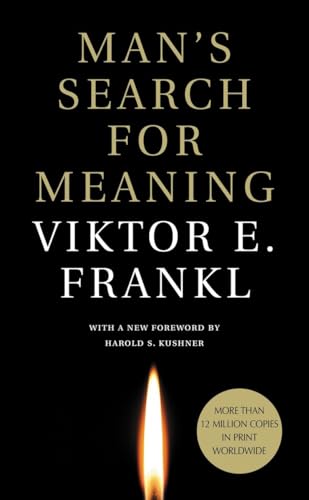
Man's Search for Meaning
Viktor Frankl
View on Amazon →

Meditations
Marcus Aurelius
View on Amazon →
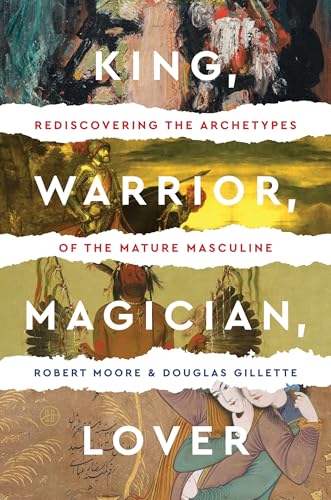
King, Warrior, Magician, Lover
Robert Moore & Douglas Gillette
View on Amazon →
As an Amazon Associate, The Masculinity Matrix earns from qualifying purchases.
Built With
This Site Was Built by Manus AI
The Masculinity Matrix — from the autoblog engine to the email sequences to this very page — was designed and built autonomously by Manus AI. If you're building something serious, it's worth a look.
Try Manus AI →